

Whidbey Island Hiking Trails Near Me

Your guide to gorgeous hiking trails on Whidbey Island

"I took a walk in the woods and came out taller than the trees."

~Henry David Thoreau

Click to see properties for sale on Whidbey Island

Contributed by Jim Tomisser

Are you willing? To get lost that is. With only one road in and out, a straight shot across the length of the island, it would be too easy to find your way back, but most of us come here to get lost.


If you like to drive, my chosen form of therapy, take an easy detour off 525 through Langley or Coupeville. Here, it’s always only one road to follow until you see a downtown. If you’re more adventurous or want to see what Island Life is like for the people who live here, take yourself down small roads unknown in Clinton and find quietude among the evergreens and in the wilderness.


Heggenes Road off of Dear Lake Road is a good ten-minute loop--fifteen if you’d like to leisurely drink in the scenery. There’s no rush on an unfrequented road. Plus, it spits you back out onto Holst Road, which is simply an extension of Deer Lake Road. From there it’s a straight shot back to the highway.

Explore Whidbey Island Driving
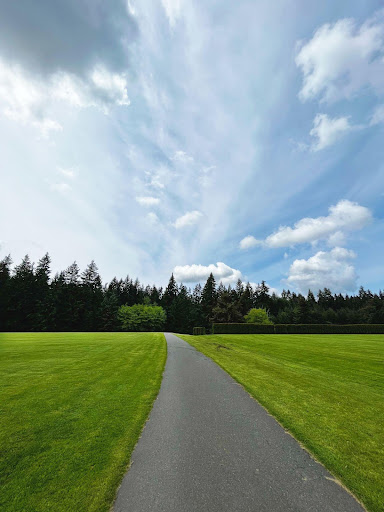
South Whidbey Sports Complex Hiking Trails Near Me

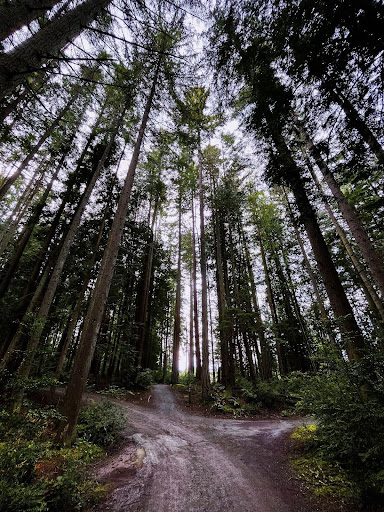
Often, the path less traveled is the one worth taking. If you’re inclined to step out of the comfort of your car and breathe the fresh cedar air, there are many walking and hiking trails. Winding seamlessly through the trees and open fields, the paths in the South Whidbey Sports Complex are just some of my favorites. For yet another uncomplicated detour from the main road-there are so many possibilities.

These trails in particular off Langley Road provide options and solace for the weary and the restless. Depending on which route you choose, the stamina you have, and what your goals are for getting outside, you can follow the longer trail that circles around the entirety of South Whidbey Community Park--weaving in and out of the forest--or opt for shorter loops that live and breathe among trees and stay within the sports complex area.

Hiking Trails on Whidbey Island | Windermere Whidbey

Wouldn't you love to live near all these glorious trails? -->

Find Hiking Trails Near me on Whidbey Island

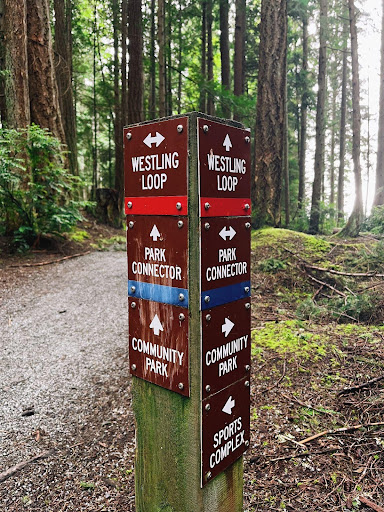
You can’t choose unwisely here, and each trail loops right back into the other. You can choose between five routes depending on your starting point (the park or the complex), and each one is under a mile. The park connector will take you between both parts of South Whidbey Community Park, and the Westling Loop will bring you right back to where you started in the complex.


The park connector, however, is a great place to start for would-be long haulers. It becomes a rather long loop if you take the Waterman Loop detour, giving you something new to look at each step of the way. 

There is no end to each path nor the peace and solitude this place has to offer. Feel free to take a picture of the map posted at the beginning of the trails! There’s no getting lost… unless that was your goal for coming out here.

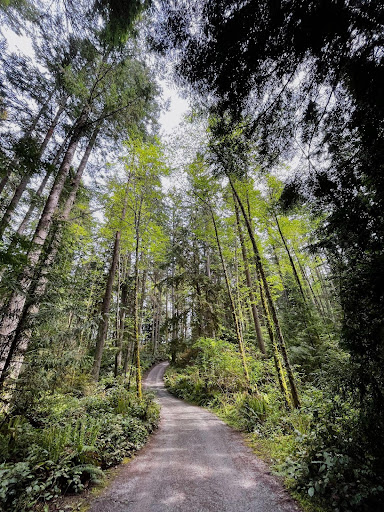
The dense wilderness is a different kind of captivating. For some more nature-immersive trails within the South Whidbey Parks & Recreation District jurisdiction, the Trustland Trails are a short distance up the road. With more than double the loops and dense vegetation, these trails are likewise suited for a wide range of endurance levels. Some run even shorter than the ones located at the Community Park, but don’t be fooled! If you put them all together you can get just as much exercise out of these wooded trails. 

Trustland Trails Whidbey Island Hiking

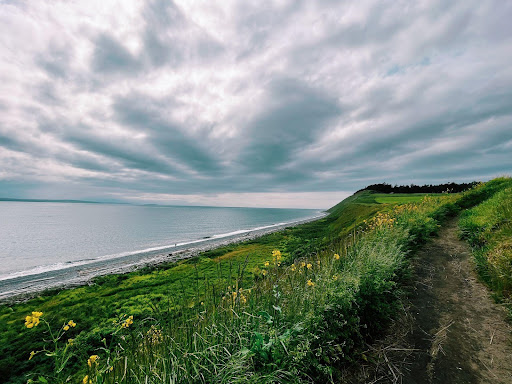
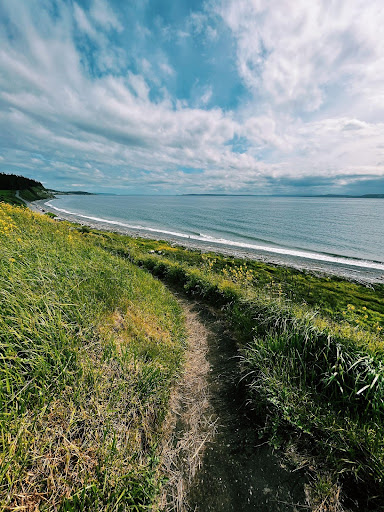
For some variety with optional beach views, head further up our beloved 525 toward Coupeville and discover Fort Ebey State Park. Of course, the whole place is a wonder, but Bluff and Kettles Trails are interestingly county-run despite their residence in a state park.

Click image to see properties in the Coupeville Area!

These two in particular model a true island-life marker for the curious visitor and the seasoned local. Be sure to visit the Bluff Trail to traverse the sprawling coastline! Part of this trail is actually privately owned but has been licensed to the county by the owner for hikers’ convenience. If you’re not up for a trail but want the view, take S Ebey Road by car all the way to the water. You can access the Bluff Trail right where the breathtaking overlook is located a couple stairways up from the beach.

Whidbey Island Bluff Trail Hiking near me

For a longer route (nearly four miles round trip), enter through the Kettles Gate and take Kettles Trails through the heart of the reserve. It’s a straight shot to Bluff Overlook if you catch the very end of Campground Trail. If you decide to follow Kettles all the way through you’ll find a rest area and bathrooms. From that fork in the road the distance in either direction is under half a mile (roughly 0.06 or less). With so many options, the overlook is accessible for everyone!

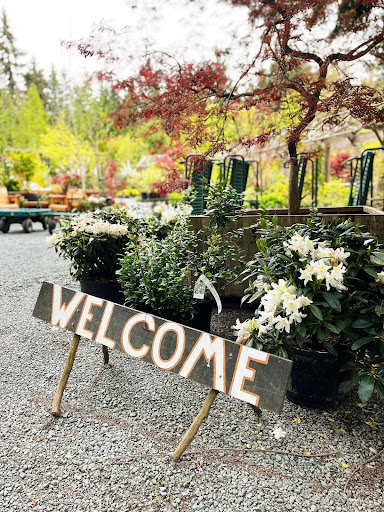
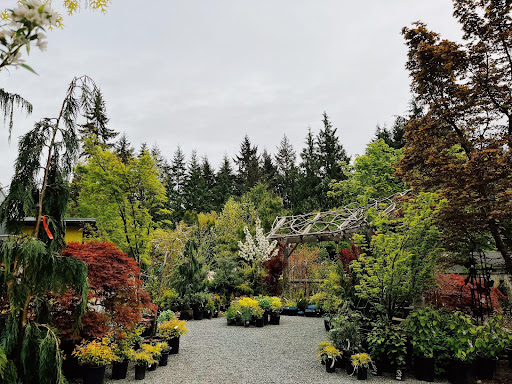
And once you’ve traveled the not so beaten path, a good way to bookend your walk through the woods is a simple, graveled walk through Venture Out nursery. While Bayview Farm & Garden is one of our more traveled hotspots, this nursery offers just as much to folks who love to bring nature home. Amble down these interconnected paths at your leisure while admiring the kind of nature you can call your own. Any direction you walk carves an intentional path through various trees, flowers, and even custom raised flower beds. (The garden gift shop is a bonus!)

Venture Out Nursery Whidbey Island Hiking Trails

Looking to build your dream home near Bayview Corner on Whidbey Island?

Click image above to see properties near this delightful nursery.

Ultimately, no matter your level of experience in the wilderness, Whidbey Island holds space for anyone and everyone. It’s a safe yet exciting place to simply be. It’s easy to navigate, but more than willing to help you escape. It is a stronghold for all who wish to be a new person by the end of the day.

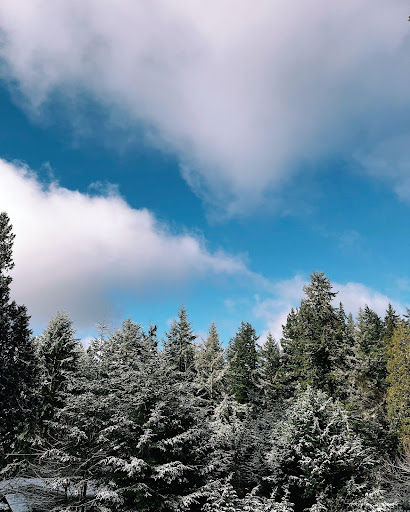
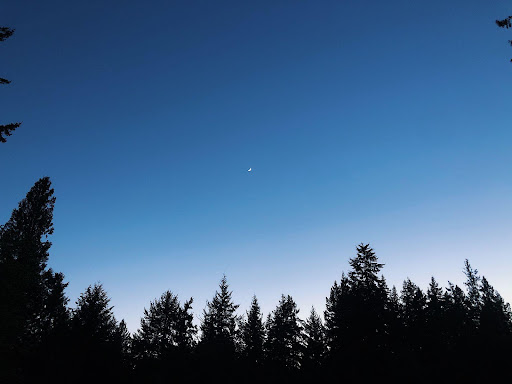
Whidbey Island Night Sky While Hiking

Photos and blog entry contributed by:

The Effects of Today's Mortgage Rates on Your Home Purchase

The Effects of Today's Mortgage Rates COVER

It's vital to understand the relationship between mortgage rates and your purchasing power if you're going to buy a property. The amount of housing you can afford to buy within your financial means is referred to as purchasing power. Mortgage rates have a direct impact on the monthly payment you'll make on your new house. As a result, as interest rates climb, so does the monthly payment you can lock in on your home loan. That could limit your future purchasing power in a rising-rate climate like the one we're in now.

The average 30-year fixed mortgage rate is currently around 5%, and analysts predict that it will rise in the coming months. If you buy now, before the increase affects your purchasing power, you can get ahead of the game.

Mortgage Rates Have a Significant Impact on Your Purchasing Power.

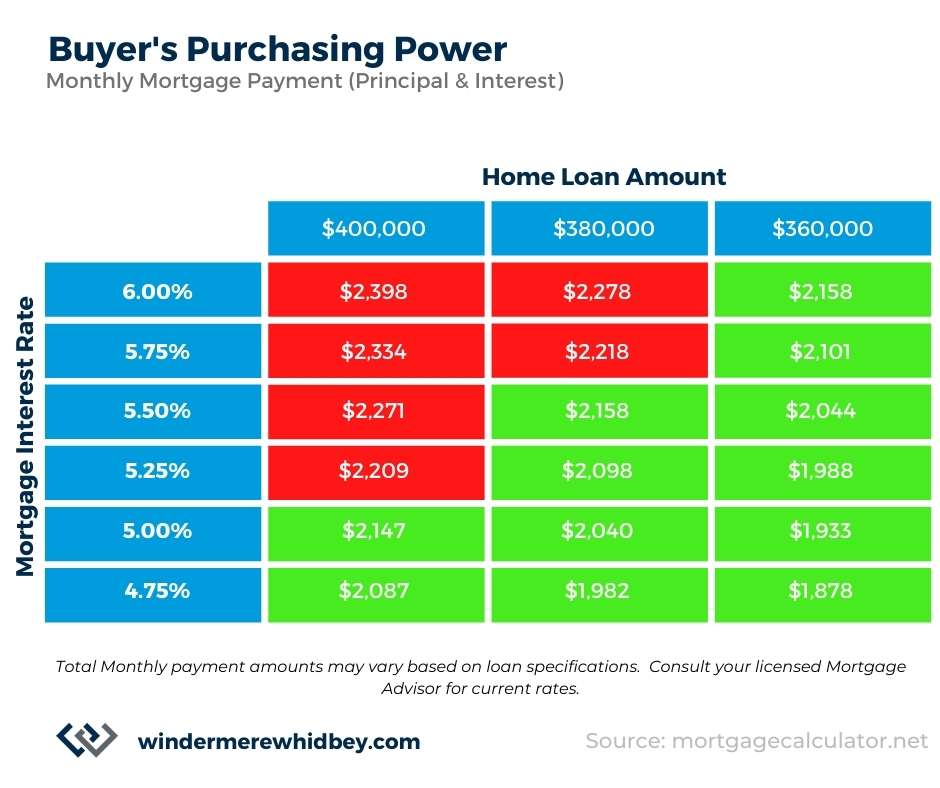
The graph below shows the overall link between mortgage rates and a common monthly mortgage payment for various loan amounts. Let's say your finances allow for a $2,100-$2,200 monthly mortgage payment. The green in the graph represent a payment that is within that range, while the red represents a payment that is outside of that range (see graph below):

As the graph demonstrates, unless you pursue a smaller home loan amount, you're more likely to surpass your desired payment range as mortgage rates rise. If you're ready to buy a home, use this as encouragement to do it now, before interest rates rise and you have to decide whether or not to reduce the amount you borrow to keep inside your budget.

Consult with a Trusted Adviser to Understand Your Budget and Develop a Strategy

When looking for a property, it's vital to keep your budget in mind. The easiest way to express it is as follows,

Get preapproved with today's rates, but also think about what would happen if rates rose another quarter of a point,... Know what that would mean for your monthly bills and how comfortable you are with it so that if rates do rise, you'll already know how to adjust.

Whatever the case may be, the ideal method is to collaborate with your real estate agent and a reputable lender to develop a strategy that takes rising mortgage rates into account. Together, you may examine your budget in light of current rates and devise a strategy for adjusting when rates change.

In Conclusion

Even minor increases in mortgage rates can have an effect on your purchasing power. If you're in the market for a home, having a solid plan is more important than ever. Work with a trusted real estate advisor and lender to plan your strategy for achieving your dream of homeownership this spring.

🚨 Here it is folks! The MAY 2022 Whidbey Island Real Estate Market Update (rolling 12-month report). CLICK HERE TO GET THE PRINTABLE PDF!


🗺️ Stats are separated by area: South, Central, & North Whidbey, and incorporate data from the 12 months prior to our current month.


🏡All stats represent only the residential & condo sales, except for the ones specifically for vacant land. May not represent all market activity.


If you want help interpreting this data and what it means for you. Feel free to message us and setup a free buyers or sellers consultation.


📱 360 331 6006

✉️ whidbeyinfo@windermere.com

🤗 Enjoy!


#wearewhidbey #windermereEconomics

Created by Si Fisher

.

.

.

Data supplied by the NWMLS. Neither the

Board or its MLS guarantees its accuracy. May

not reflect all real estate activity in the market.

Q1 2022 Western Washington Real Estate Market Update

CLICK HERE FOR PRINTABLE PDF VERSION


The following analysis of select counties of the Western Washington real estate market is provided by Windermere Real Estate Chief Economist Matthew Gardner. We hope that this information may assist you with making better-informed real estate decisions. For further information about the housing market in your area, please don’t hesitate to contact your Windermere Real Estate agent.


Regional Economic Overview

The post-COVID job recovery continues. Though data showed the number of jobs dropped in January, February saw gains that almost offset the jobs lost the prior month. As of February (March data is not yet available), the region had recovered all but 47,000 of the more than 300,000 jobs lost due to the pandemic. Of note is that employment levels in Grays Harbor, Thurston, San Juan, and Clallam counties are now above their pre-pandemic levels. In February, the regional unemployment rate rose to 4.1% from 3.7% in December. Although this may be disconcerting, an improving economy has led more unemployed persons to start looking for a job, which has pushed the jobless rate higher. I expect the regional economy to continue expanding as we move into the spring and summer, with a full job recovery not far away.

Western Washington Home Sales

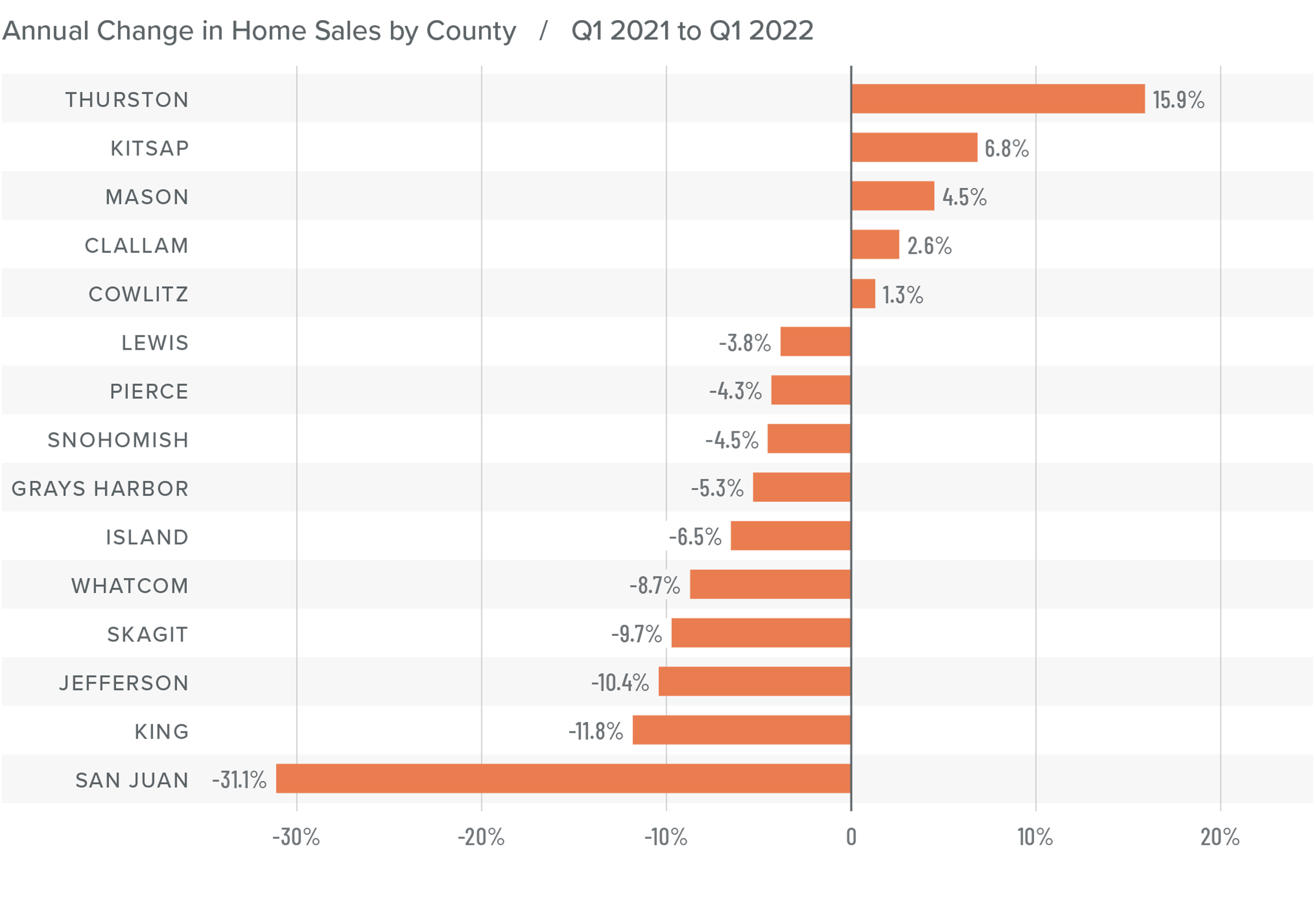
❱ In the first quarter of 2022, 15,134 homes sold, representing a drop of 5.8% from the same period a year ago, and down 31.7% from the fourth quarter.

❱ Yet again, supply-side constraints limited sales. Every county except Snohomish showed lower inventory levels than a year ago.

❱ Sales grew in five counties across the region but were lower across the balance of the counties contained in this report. Compared to the fourth quarter, sales were lower across all market areas.

❱ The ratio of pending sales (demand) to active listings (supply) showed pending sales outpacing listings by a factor of 6.7. Clearly, the significant jump in mortgage rates in the first quarter has not yet impacted demand. Rather it appears to have stimulated buyers partly due to FOMO (Fear of Missing Out)!

A bar graph showing the annual change in home sales for various counties in Western Washington between Q1 2021 and Q1 2022.

Western Washington Home Prices

❱ Although financing costs have jumped, this has yet to prove to be an obstacle to buyers, as prices rose 16.4% year-over-year to an average of $738,152. Naturally, there is a lag between rates rising and any impact on market prices. It will be interesting to see what, if any, effect this has in the next quarter’s report.

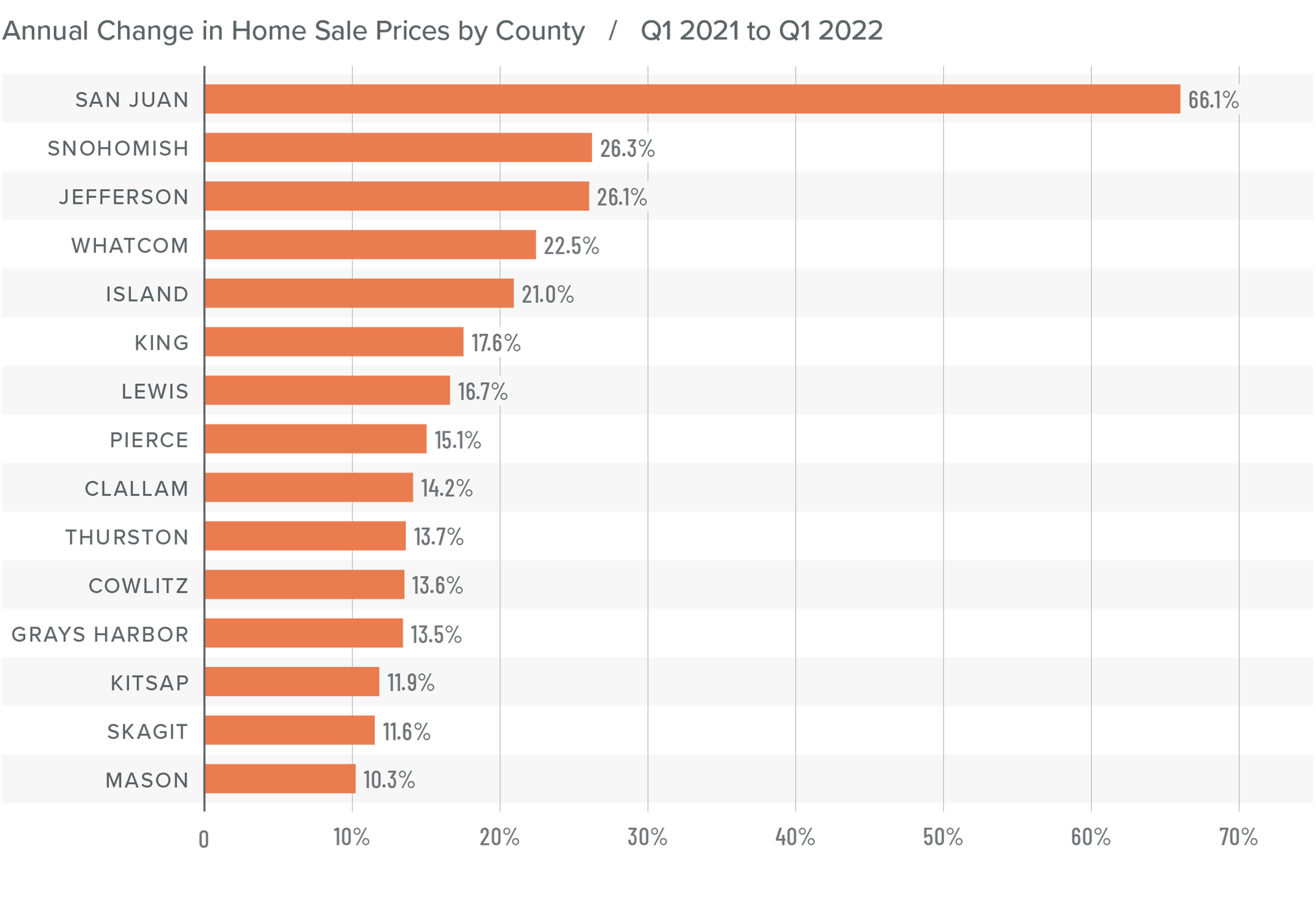
❱ Compared to the same period a year ago, price growth was again strongest in San Juan County, but all markets saw prices rising more than 10% from a year ago.

❱ Relative to the final quarter of 2021, all but Kitsap (-2.7%), Mason (-1.5%), Skagit (-1.8%), Jefferson (-6.3%), and Clallam (-0.1%) counties saw home prices rise.

❱ The market remains supply starved. While increases in “new” listings suggest that more choice is coming to market, it remains insufficient to meet demand.

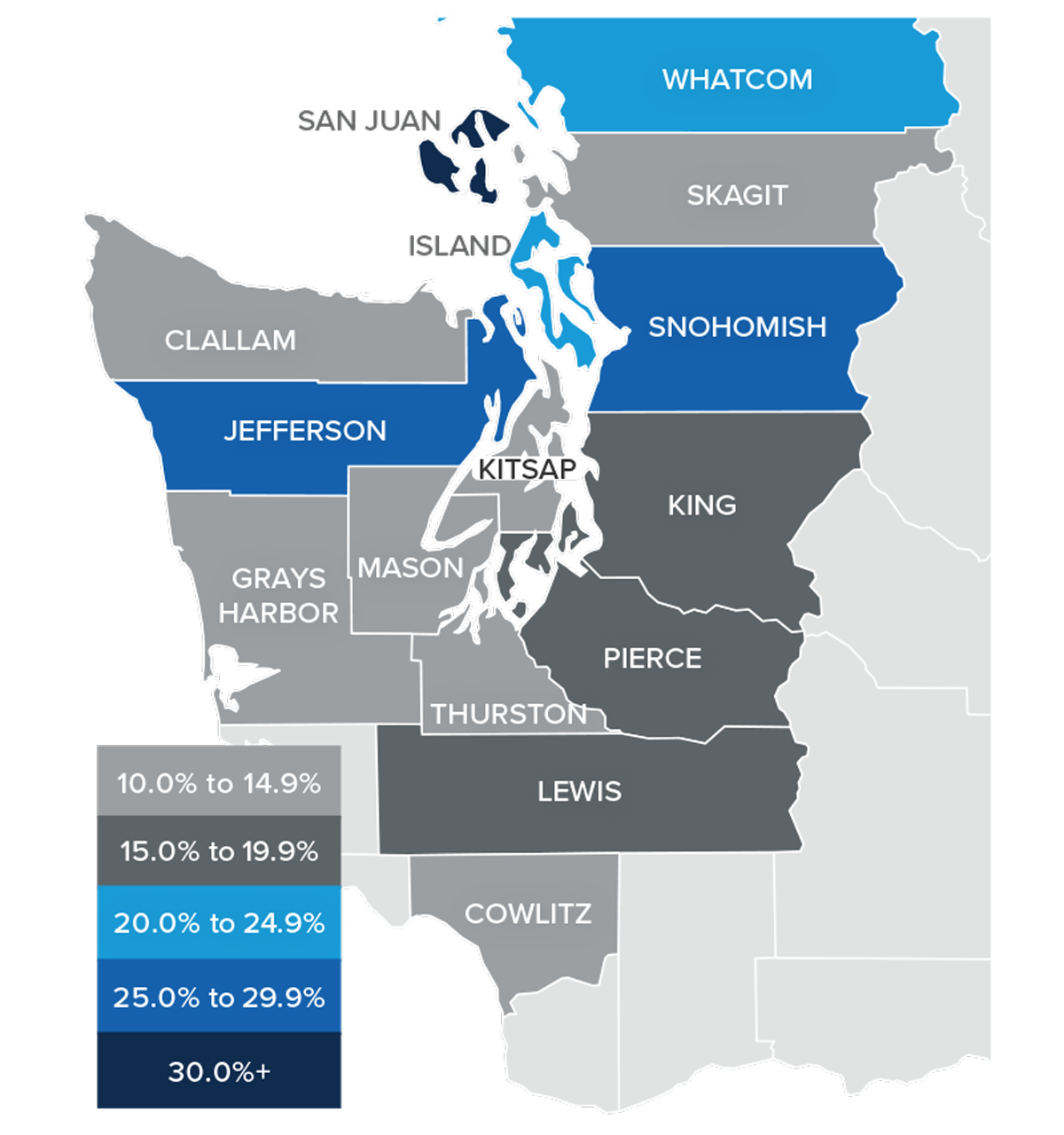
A map showing the year-over-year real estate market percentage changes in various counties in Western Washington for Q1 2022.

A bar graph showing the annual change in home sale prices for various counties in Western Washington from Q1 2021 to Q1 2022.

Mortgage Rates

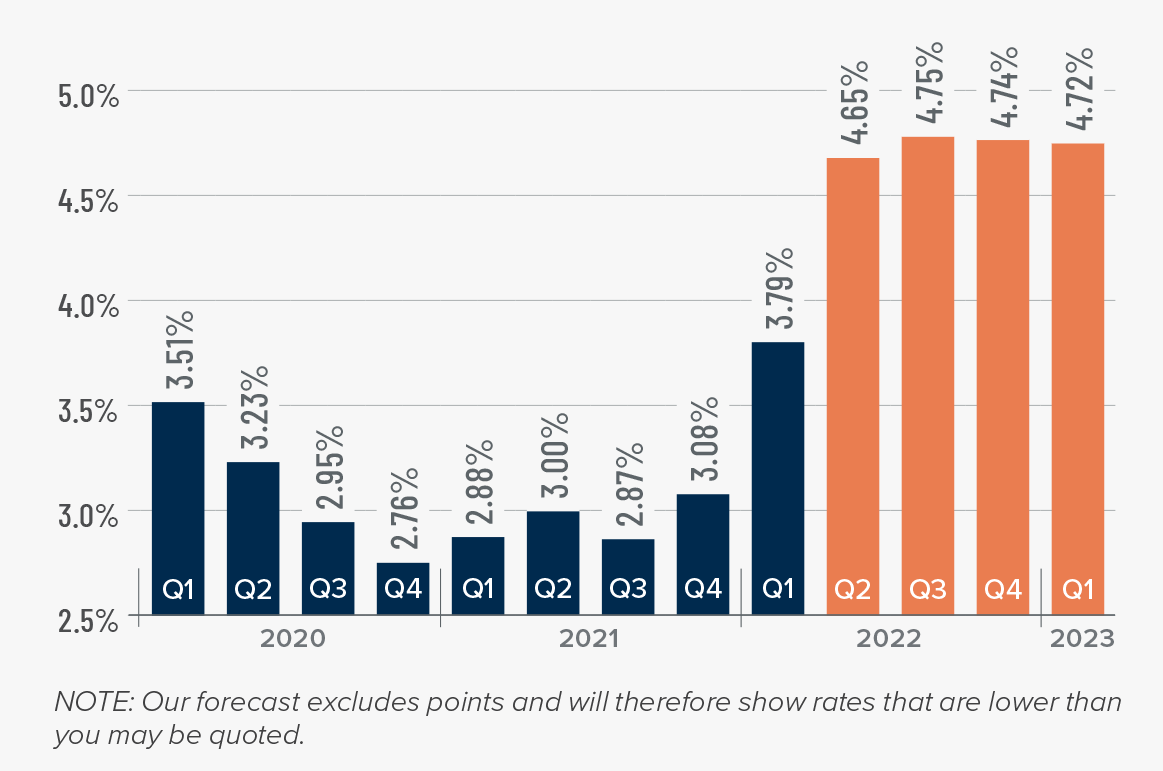
Average rates for a 30-year conforming mortgage were 3.11% at the end of 2021, but since then have jumped over 1.5%—the largest increase since 1987. The surge in rates is because the market is anticipating a seven- to eight-point increase from the Federal Reserve later this year.

Because the mortgage market has priced this into the rates they are offering today, my forecast suggests that we are getting close to a ceiling in rates, and it is my belief that they will rise modestly in the second quarter before stabilizing for the balance of the year.

A map showing the real estate market percentage changes in various counties in Utah during the third quarter of 2021.

Western Washington Days on Market

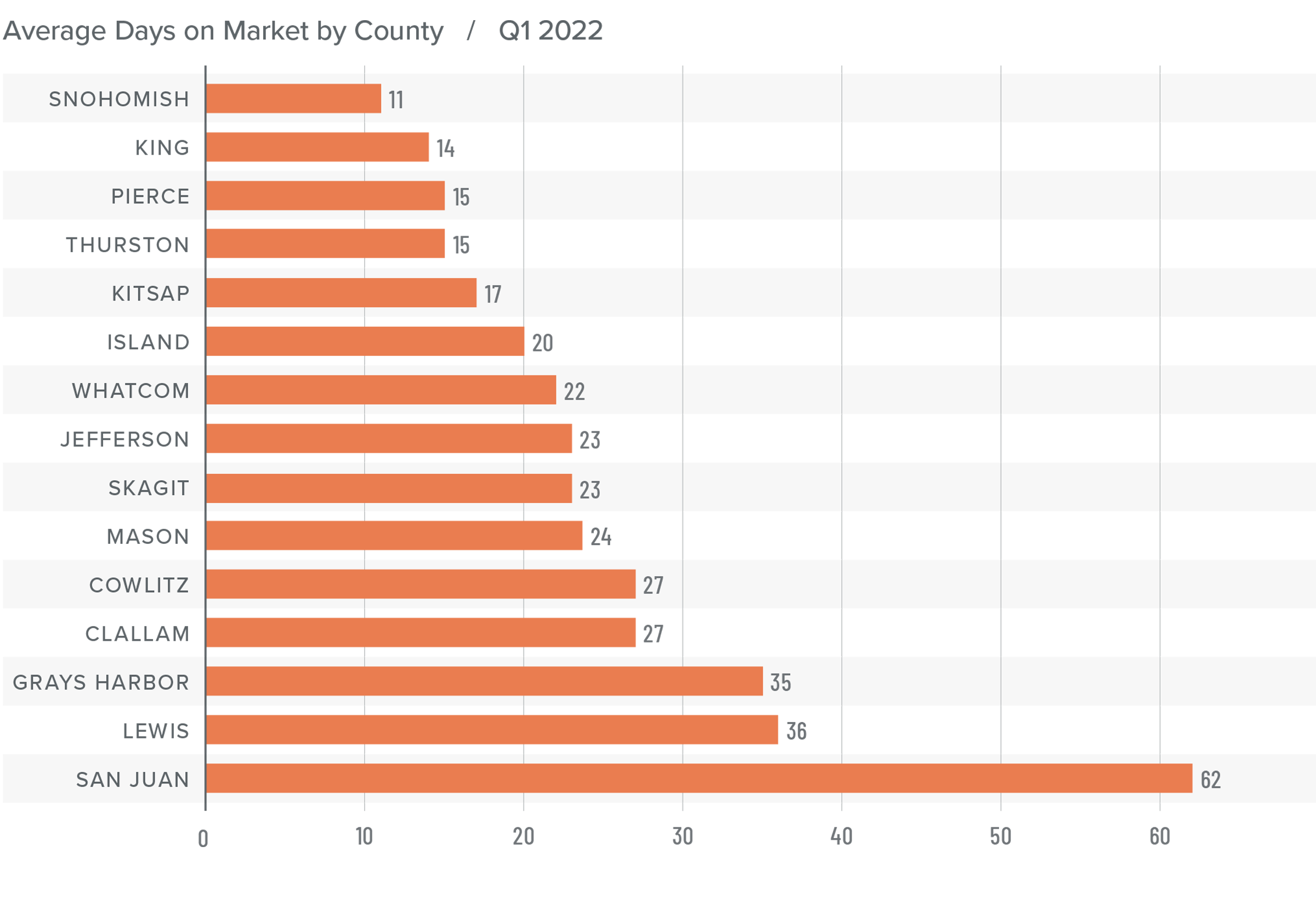
❱ It took an average of 25 days for a home to go pending in the first quarter of 2022. This was 4 fewer days than in the same quarter of 2020, but 2 days more than in the fourth quarter of 2021.

❱ Snohomish, King, and Pierce counties were the tightest markets in Western Washington, with homes taking an average of 11 to 15 days to sell. The greatest drop in market time compared to a year ago was in San Juan County, where it took 23 fewer days for homes to sell.

❱ All but five counties saw average time on market drop from the same period a year ago, but the markets where it took longer to sell a home saw the length of time increase only marginally.

❱ Quarter over quarter, market time dropped in Snohomish, King, and Pierce counties. Jefferson and Clallam counties also saw modest improvement. In the balance of the region the length of time a home was on the market rose, but seasonality undoubtedly played a part.

A bar graph showing the average days on market for homes in various counties in Utah during the third quarter of 2021.

Conclusions

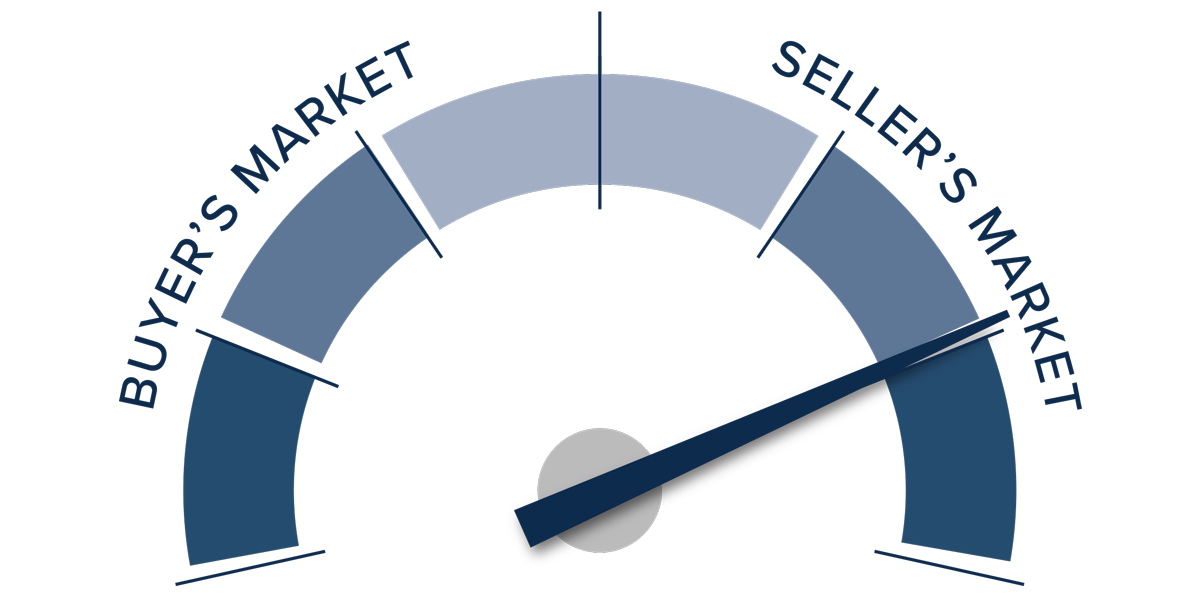
This speedometer reflects the state of the region’s real estate market using housing inventory, price gains, home sales, interest rates, and larger economic factors.

The numbers have yet to indicate that demand is waning amid rising interest rates, but this is sure to become a greater factor as we move into the spring. A leading indicator I pay attention to is changes to list prices and, in most counties, these continue to increase. This suggests that sellers remain confident they will be able to find a buyer even in the face of higher borrowing costs. If this pace of increase starts to soften, it may be an indication of an inflection point, but it does not appear to be that way yet.

A speedometer graph indicating a seller's market in Western Washington during Q1 2022.

Given all the factors discussed above, I have decided to leave the needle in the same position as the last quarter. The market still heavily favors sellers, but if rates rise much further, headwinds will likely increase.

About Matthew Gardner

Matthew Gardner - Chief Economist for Windermere Real Estate

As Chief Economist for Windermere Real Estate, Matthew Gardner is responsible for analyzing and interpreting economic data and its impact on the real estate market on both a local and national level. Matthew has over 30 years of professional experience both in the U.S. and U.K.

In addition to his day-to-day responsibilities, Matthew sits on the Washington State Governors Council of Economic Advisors; chairs the Board of Trustees at the Washington Center for Real Estate Research at the University of Washington; and is an Advisory Board Member at the Runstad Center for Real Estate Studies at the University of Washington where he also lectures in real estate economics.

This Blog Entry Originally Appears on Windermere.com CLICK HERE TO VIEW