Facebook
 X
X
 Pinterest
 Copy Link

How to Use Home Equity on Whidbey Island: 4 Smart Strategies for 2026
If you own a waterfront or view property on Whidbey Island—especially in South Whidbey—your home equity can be a serious strategic asset in 2026. The key isn’t just knowing you have equity. It’s knowing how to use it to move smarter, invest wiser, and avoid leaving money (or options) on the table.
Key Takeaways
- Equity is a usable asset—especially for South Whidbey waterfront and view homeowners.
- In 2026, equity can power a move-up, a downsize, a renovation plan, or an investment pivot.
- Market conditions matter: pricing, days on market, and list-to-sale ratios change what “smart” looks like.
- Renovations can increase value when they match Pacific Northwest buyer preferences.
- A local pricing analysis is the fastest way to turn “I think” into “I know.”
What Is Home Equity and How Does It Work on Whidbey Island?
Home equity on Whidbey Island is the gap between your home’s current market value and what you still owe on your mortgage. In 2026, that gap can be sizable for South Whidbey waterfront and view properties. Equity can be converted into a down payment, renovation budget, or refinancing tool—if you understand your true value and options.

Here’s the simple math: if your home could sell for $950,000 and you owe $520,000, your equity is $430,000. That equity isn’t just a number—it can become leverage.
If you want a quick sense of how the broader Island County market is trending, start with the Market Trends: Trend Graphics. Then we dial in the part that matters most for this post: what’s happening in South Whidbey’s higher-quality segments where views and water access influence demand and pricing.
Whidbey Island Equity Snapshot: 2026 Market Trends
South Whidbey equity in 2026 is being shaped by real, measurable market behavior—especially for residential properties where lifestyle and setting (like water views) help sustain demand. When median prices rise and list-to-sale ratios hold firm, equity doesn’t just grow—it becomes easier to use confidently because pricing signals are clearer for owners considering a strategic move.

Here’s a much tighter, South Whidbey-specific data point that matches the waterfront/view conversation:
Data Fact: Area 811 South Whidbey Island — Median Sale Price — $830,000 (YTD 1/1/2026–2/18/2026) (Source: NWMLS)
That same YTD snapshot also shows a 100% median sale-to-list ratio and a median time-to-contract picture that supports strong pricing when homes are positioned well. That’s exactly why equity strategy matters here: in premium South Whidbey segments, your “options menu” can be bigger—if you plan with local stats instead of island-wide averages.
Strategy #1: Use Your Whidbey Island Equity to Move Up or Downsize
Using home equity to move is one of the most common strategies for Whidbey Island homeowners—especially when a waterfront/view property has appreciated significantly. In 2026, equity can fund your down payment, reduce your next mortgage, or help you compete for the right home without overextending. The best results come from aligning timing, inventory, and goals.

Two common South Whidbey scenarios:
- Move up: roll equity into a more premium view corridor, larger home, or better layout.
- Downsize: convert equity into lifestyle freedom (lower maintenance, simpler living, more cash reserves).
If buying is part of your plan, the best first step is understanding what your next purchase options look like right now. You can preview process basics on Buy, then we narrow it down to your exact target and timeline.
Want to see what’s actually available right now? Browse Our Active Listings and keep an eye on Windermere Whidbey Open Houses to understand the current competition and pricing style.
Strategy #2: Reinvest Equity Into Renovations That Boost Whidbey Property Value
Equity-funded renovations can increase your Whidbey Island sale price—especially for South Whidbey properties where buyers pay more for “turnkey,” strong indoor-outdoor living, and clean modern interiors. In 2026, the best renovation strategy isn’t doing everything. It’s doing the right things that match local demand and preserve your ROI.
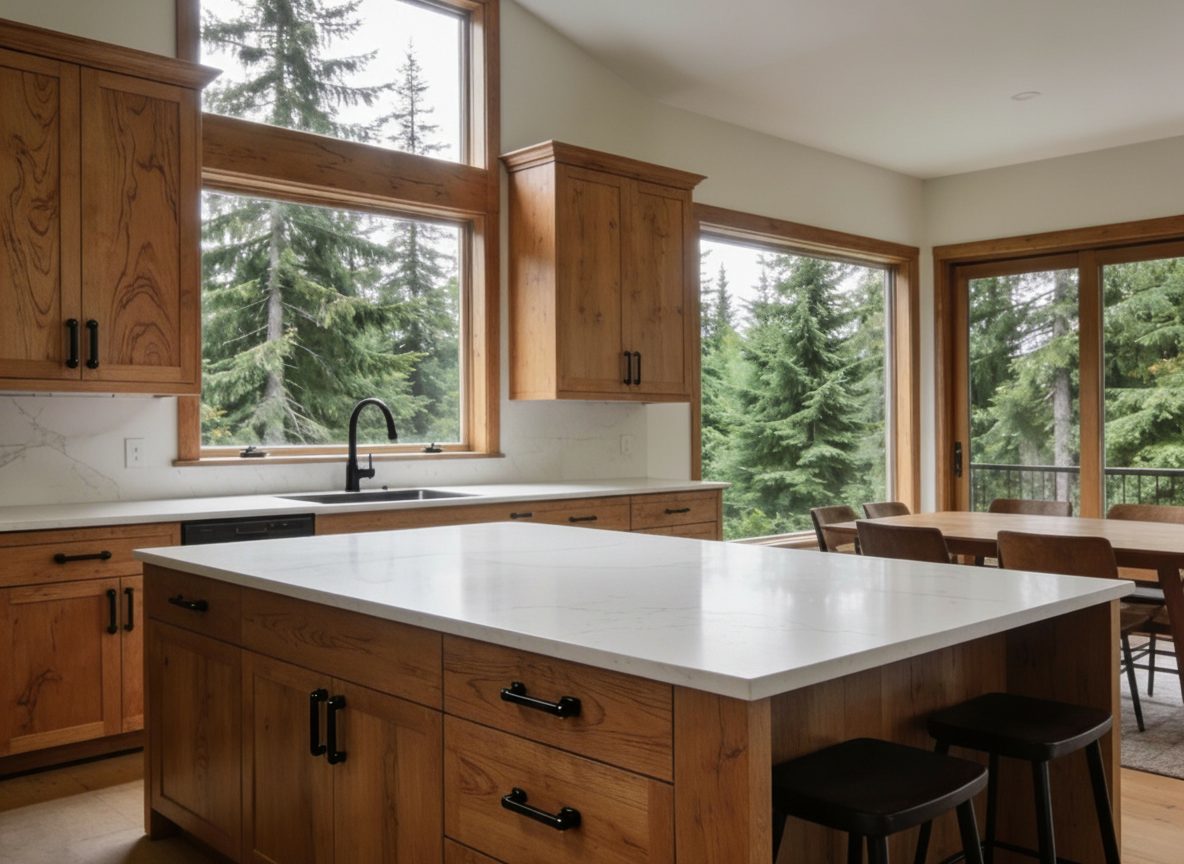
High-impact categories we often see perform well for coastal/view homes:
- Kitchen and primary bath refreshes (clean, listing-ready, neutral)
- Outdoor living improvements (decks, covered spaces, entertaining flow)
- Energy efficiency + weather resilience (windows, insulation, systems)
- View maximization (without overbuilding or over-customizing)
If you want a structured approach to pre-listing improvements, review Windermere Ready and pair it with a local pricing plan so you’re improving the home the market will actually reward.
For a practical checklist that keeps you organized (and sane), use the Moving Checklist as a framework—many sellers adapt it into a “prep timeline” even before they plan a move.
Strategy #3: Access Equity Through HELOC or Cash-Out Refinance in Island County
Accessing equity without selling can work well for Whidbey Island homeowners who want flexibility in 2026—especially if you plan to hold your waterfront/view property long-term. A HELOC or cash-out refinance may fund renovations, consolidate debt, or create liquidity for an investment move. The decision depends on rates, appraisal realities, and your time horizon.

Three practical “fit checks” before you tap equity:
- Will the monthly payment still feel comfortable if rates shift?
- Is your plan value-producing (or just value-consuming)?
- Does this keep your long-term options open (sell, rent, hold)?
If your plan is “buy before you sell,” a bridge strategy can matter. Learn the basics in Windermere Bridge Loan, and then we evaluate whether it fits your equity, timing, and risk tolerance.
For deeper prep around selling and pricing strategy (even if you’re not selling yet), Seller Resources is a solid overview of how positioning affects outcomes—especially in premium segments.
Strategy #4: Turn Whidbey Island Equity Into Long-Term Wealth
Turning equity into wealth is about using your Whidbey Island position to expand options—without sacrificing the lifestyle that made you buy here in the first place. In 2026, homeowners with South Whidbey view or waterfront advantages often use equity to acquire a second property, shift into a better long-term hold, or build a more resilient portfolio strategy.
Common wealth-building routes we see locally:
- Buying a second home with stronger rental potential
- Upgrading into a property that holds value better over time (views, quality, layout)
- Using equity to improve marketability, then selling into a stronger net position
If you want to focus specifically on the premium end of the island, the Whidbey Island Waterfront Homes For Sale Guide is a useful lens for how buyers think—and why certain features protect value.
And if you’re weighing “DIY vs expert,” it’s worth reading Benefits of Working with a LOCAL Whidbey Island Real Estate Agent—because equity strategy gets expensive when the plan is solid but the execution isn’t.
Is 2026 the Right Time to Use Your Home Equity on Whidbey Island?
In 2026, timing matters for Whidbey Island equity decisions because interest rates, inventory, and buyer behavior directly affect what your equity can do for you. South Whidbey homeowners with view or waterfront advantages often have more flexibility—sell now, renovate first, refinance, or reposition—depending on goals and how the local market is moving right now.

If you’re considering a move, a refinance, or a strategic renovation, start by replacing guesses with a real number.
Get Your 2026 Whidbey Island Home Equity Review (Langley, Freeland, Clinton & Beyond)
This is a consultative review, not a pushy pitch. You’ll get clarity on value, timing, and the best equity strategy for your situation—especially if you’re sitting on a South Whidbey view or waterfront advantage.
Frequently Asked Questions
How do I calculate my home equity on Whidbey Island?
Estimate your current market value using local comparable sales, then subtract your remaining mortgage balance. For view and waterfront homes, accurate comps matter more than online estimates.
Is it better to sell or refinance in 2026?
Selling often makes sense when you want to reposition or convert equity into a down payment. Refinancing or a HELOC can work if you’re holding long-term and the payment risk fits your plan.
Does a waterfront or view premium change equity strategy?
Yes. Premium segments can hold value differently, and pricing/positioning has a bigger impact. Strategy should account for buyer expectations and limited comparable inventory.
Will renovations increase my Whidbey Island resale value?
Often, yes—when the updates align with local demand (turnkey interiors, outdoor living, efficiency). Over-customization is the main risk.
What risks come with a HELOC or cash-out refinance?
Variable rates, higher monthly payments, and reduced flexibility if you later decide to sell. It’s smart to model worst-case payment scenarios before tapping equity.
Can I use equity to buy another property on Whidbey Island?
Yes. Many homeowners use equity as a down payment for a second home or an investment purchase, especially when they want to stay local.
How can I tell if my equity plan is realistic?
Compare your goals to real local numbers: sale price expectations, days on market, and financing terms. A local pricing analysis is usually the fastest reality check.
Next Steps
- Get a 2026 equity plan for your South Whidbey home → Start With a Pricing Analysis
- Explore Whidbey Island by area
- Contact Windermere Whidbey
Written by Si Fisher.