

Whidbey Island Spring Gardening Tips
Contributed by Si Fisher
As springtime tiptoes onto Whidbey Island, seasoned green thumbs and aspiring gardeners alike can't help but feel the irresistible urge to get their hands dirty. Welcome to our little slice of horticultural heaven, where the promise of sun-kissed tomatoes and fragrant herbs is just a trowel's depth away. Whether you're a seasoned pro or a wide-eyed newbie, join us on this whimsical journey through the trials and tribulations of Spring gardening on Whidbey Island.
Whidbey Island Spring Gardening Tips
(6 Tips for a successful Whidbey Island Garden)
Tip #1: Understanding the Climate on Whidbey Island and Choosing the Right Vegetables
Whidbey Island boasts a temperate climate that provides favorable conditions for a variety of cool-season vegetables. With mild winters and cool summers, plants such as peas, lettuces, collards, kale, cabbage, broccoli, and Brussels sprouts can thrive in this region. These vegetables are well-adapted to the area's weather patterns and can be grown with relative ease, making them perfect choices for both beginner and experienced gardeners.
Vegetable Seeds Garden Kit - Non-GMO and Heirloom - 16,000 SEEDS! on Amazon
Certified Organic Vegetable Seed Collection 20-Pack on Amazon
On the other hand, heat-loving vegetables, such as tomatoes, corn, melons, and peppers, may present more of a challenge on Whidbey depending on the microclimate in which your garden is located. These plants require longer growing seasons and warmer temperatures, which can be more difficult to achieve in this region. However, don't be discouraged! With careful planning, the right varieties, and some extra attention, it is still possible to successfully grow these vegetables. Be prepared to invest additional time and effort into their care, as well as research methods to help them thrive, such as using greenhouses, cold frames, or other season-extending techniques.
In summary, understanding Whidbey Island’s climate is crucial for choosing the right vegetables for your garden. By selecting cool-season vegetables and providing extra care for heat-loving plants, you can create a thriving vegetable garden that will yield a bountiful harvest.
Work with a local Realtor® to help find your slice of gardeners paradise
Tip #2: Preparing the Soil for a Successful Garden
A successful garden starts with good soil. Healthy, well-draining soil provides essential nutrients, water, and oxygen to your plants, creating an environment in which they can thrive. In this section, we'll discuss the importance of good soil, the soil types commonly found on Whidbey Island, and how to improve your soil or opt for alternative gardening methods.
The quality of your soil can significantly impact the growth and yield of your plants. Nutrient-rich soil allows plants to develop strong root systems, leading to healthier, more productive plants. Good soil also provides the proper balance of water retention and drainage, ensuring that your plants receive the right amount of moisture without becoming waterlogged.
On Whidbey Island there are two common soil types: sandy/rocky soil and hard clay soil. Both of these soil types can present challenges for growing vegetables, which generally prefer a rich, loamy, well-draining soil.
To improve your native soil, start by conducting a soil test to determine its current nutrient levels and pH. Based on the test results, you can add necessary amendments to improve the soil's structure, fertility, and pH balance. This may include adding organic matter, such as compost or aged manure, as well as specific nutrients or minerals, like lime for acidic soil or sulfur for alkaline soil.
If improving your native soil seems too daunting or time-consuming, consider alternative gardening methods like raised beds or container gardening. Raised beds involve building a frame and filling it with a soil mix specifically designed for gardening, while container gardening involves growing plants in pots or planters. Both options allow you to control the soil quality and eliminate the need to amend native soil.
When using raised beds or containers (Galvanized Raised Garden Bed Kit) , you can opt for pre-mixed soil products designed for gardening, such as FoxFarm Ocean Forest Potting Soil Mix. These products typically contain a balanced mix of nutrients and organic matter to support plant growth. However, it's essential to research the specific needs of the plants you're growing, as some may require additional fertility. Additionally, if you plan to use the same soil for multiple years, you'll need to consider crop rotation and replenishing nutrients through amendments or organic matter.
By understanding the importance of good soil and taking the necessary steps to improve or select the right soil for your garden, you'll create a strong foundation for a successful vegetable garden on Whidbey Island.
Tip #3: Choosing What to Grow in Your Whidbey Island Garden
When planning your vegetable garden, it's important to select plants that align with your family's preferences, available space, and gardening goals. In this section, we'll discuss how to choose the right vegetables to grow, taking into consideration factors such as personal taste, space constraints, and the desire to try something new.
Start by evaluating the vegetables and fruits your family enjoys eating the most. Take a look at your fridge and pantry to identify the produce items you purchase regularly. Growing your favorite vegetables will not only make the gardening experience more enjoyable but also ensures that the produce you harvest will be put to good use.
Consider the space you have available for your garden, as well as the time you can dedicate to gardening tasks. Some vegetables require more space or maintenance than others, so it's essential to choose plants that will fit your garden's dimensions and your schedule. Be realistic about your gardening capabilities and prioritize plants that suit your needs.
Reflect on your past gardening experiences and identify the vegetables that you've had success with in the past. Prioritize growing these plants, as they are likely well-suited to your region and gardening style. Additionally, consider purchasing vegetables that are readily available and inexpensive from local farmers, especially if they require more space or are more challenging to grow. This approach allows you to focus on the plants that you know you can grow successfully and enjoyably.
Purchase goods from local farmers, bakers, fermenters, cooks, and makers from Whidbey Island using the:
THE WHIDBEY ISLAND GROWN COOPERATIVE FOOD HUB!
If you have a favorite vegetable or fruit that is difficult to find at the grocery store or farmer's market, consider growing it yourself. This could be a fun and rewarding opportunity to enjoy produce that you otherwise wouldn't have access to. Some examples of unique plants that could be grown on Whidbey Island include hardy kiwi and ground cherries.
Gardening is an ongoing learning process, and it's important to embrace experimentation and trial and error. Try growing a variety of plants to see which ones thrive in your garden and which ones struggle. This experience will help you refine your garden plan for future seasons, ultimately leading to a more successful and satisfying gardening experience.
By assessing your family's preferences, taking space and time constraints into account, and prioritizing vegetables based on your personal success and local availability, you'll create a garden that is both enjoyable and productive. Don't be afraid to experiment and learn from your experiences; with time and practice, your Whidbey Island garden will flourish.
Tip #4: Deciding Between Seeds or Starts for Your Whidbey Island Garden
One of the key decisions you'll need to make when planning your vegetable garden is whether to grow plants from seeds or purchase starts (young plants). Both options have their advantages and challenges, and the choice ultimately depends on your gardening experience, available time, and personal preferences. In this section, we'll discuss the benefits of using starts, the types of vegetables that do better from seed, and the pros and cons of starting seeds indoors.
For those new to gardening, using starts can be an excellent way to gain experience and confidence in the garden. Starts are young plants that have already begun growing, making them more likely to thrive and produce a harvest. This can be especially helpful for beginner gardeners, as it allows them to focus on learning essential gardening skills without the added challenge of seed starting.
There are a couple great places to get plant starts here on South Whidbey including:
Venture Out Nursery
Some vegetables are better suited for direct seeding in the garden rather than transplanting from starts. Carrots, beets, and other root vegetables tend to perform better when grown directly from seed, as transplanting can cause damage to the delicate root systems. Peas and beans also do well when directly sown in the garden.
Starting seeds indoors offers several advantages, including a longer growing season for heat-loving vegetables like tomatoes, peppers, and melons. However, starting seeds indoors also requires additional resources, such as grow lights and trays or pots, and can be more labor-intensive. For those who are up for the challenge, starting seeds indoors can be a rewarding and cost-effective way to grow a variety of vegetables on Whidbey Island.
If you decide to start your own seeds, there are numerous resources available to help guide you through the process. Many gardening websites, blogs, and YouTube channels offer detailed instructions and tutorials on seed starting, covering topics such as choosing the right seeds, providing proper lighting and temperature, and transplanting seedlings into the garden. Venture Out also offers videos and other educational materials to support you in your seed starting journey.
Ultimately, the choice between seeds and starts will depend on your gardening goals, experience, and available resources. Whichever route you choose, remember that gardening is a learning process, and with time and practice, you'll be able to grow a bountiful and enjoyable garden on Whidbey Island.
Tip #5: Timing Your Planting for a Successful Whidbey Island Garden
Planting your vegetables at the right time is crucial for a successful harvest. Timing your planting ensures that your plants have the best possible conditions for growth and are less susceptible to damage from frost or pests. In this section, we'll discuss the importance of understanding frost dates, calculating the latest planting times, and utilizing planting calendars and local resources for guidance.
Frost dates are essential to consider when planning your vegetable garden, as they provide a guideline for when it's safe to plant outside. The first frost date marks the beginning of the growing season, while the last frost date indicates when frost is no longer expected. Knowing these dates for your specific region helps you determine the optimal planting window for each vegetable. To find the frost dates for your area, consult local resources. We have a lot of microclimates on Whidbey Island, and the online tools are not always accurate for our local communities. Reach out to a local nursery, local community gardens, or even your friendly neighborhood gardeners for more localized information about this. I have heard many locals talk about the 1st of May as a safe date from frost, but it’s important to check for your specific area.
When selecting vegetables to grow in your garden, it's essential to consider the length of time they take to grow and ripen. This information, often found on seed packets or plant labels, will help you calculate the latest possible planting date to ensure a successful harvest. Start by identifying the number of days to maturity for each plant and counting backward from the last frost date. This will give you the latest planting date, allowing for a full growing season before the risk of frost returns.
Planting calendars can be invaluable tools for planning your Whidbey Island vegetable garden. These calendars provide a month-by-month guide to sowing, transplanting, and harvesting various vegetables, tailored to your region's climate and growing conditions. Local resources, such as the Deep Harvest Farm - planting calendar for the Pacific Northwest, are particularly helpful as they take into account the unique weather patterns of the area.
Additionally, don't hesitate to seek advice from local experts, such as Master Gardeners, nursery staff, or farmers. These individuals have firsthand experience with growing vegetables on Whidbey Island and can offer valuable insights and tips for timing your planting. Many gardening groups and online forums also provide a wealth of information and support for gardeners of all experience levels.
By understanding frost dates, calculating the latest planting times, and utilizing planting calendars and local resources, you'll be well-equipped to plan your vegetable garden for a successful growing season on Whidbey.
Tip #6: Planting Your Garden for Success on Whidbey Island
Once you've prepared the soil, chosen your vegetables, and timed your planting, it's time to get your hands dirty and start planting your garden. In this section, we'll discuss essential tools for successful planting, following planting instructions for each vegetable, watering considerations, and investing in a quality irrigation system.
Having the right tools at your disposal can make planting your garden a more efficient and enjoyable experience. Some essential tools to consider include a small hand shovel, a hori hori, a larger shovel for bigger plants, a garden fork, gloves, and a stool or knee pads for added comfort. As you gain experience, you may discover additional tools that cater to your specific gardening needs and preferences.
Super Affordable 10 Piece Gardening Set on Amazon
High Rated Hori Hori Knife on Amazon
Extra Thick Kneeling Pad on Amazon
It's important to follow the planting instructions for each vegetable to ensure optimal growth and a successful harvest. These instructions, typically found on seed packets or plant labels, provide valuable information about planting depth, spacing, and proper watering techniques. By adhering to these guidelines, you'll give your plants the best possible chance to thrive in your Whidbey Island garden.
Proper watering is crucial for the health and productivity of your vegetable garden. On Whidbey Island, where the weather is cool and moist, it's essential to strike a balance between providing sufficient water for your plants while avoiding conditions that promote fungal growth. To achieve this, consider using soaker hoses or ground-level watering methods to minimize wetting the plants themselves. Ensuring adequate space between plants for airflow also helps reduce the risk of fungal issues.
A well-planned, high-quality irrigation system can save you time and effort while maintaining optimal moisture levels for your plants. By investing in an irrigation system tailored to your garden's needs, you'll be able to provide consistent water to your plants without overwatering or wasting resources. Additionally, a reliable system can help you maintain your garden's health during periods of drought or when you're away from home.
Automatic Drip Irrigation Kits with Garden Timer on Amazon
With the right tools, proper planting techniques, and an effective watering strategy, you'll be well on your way to planting a successful vegetable garden on the island.
Conclusion: Cultivating Success in Your Whidbey Island Vegetable Garden
New gardeners, take heart! Embarking on the journey of growing your own vegetables is both exciting and rewarding. Remember, every gardener starts as a beginner, and learning from experience is crucial. Embrace the challenges and celebrate your successes, using setbacks as opportunities to learn and improve your skills. As you progress, you'll find that gardening is not only a hobby but a deeply fulfilling and meaningful way to connect with the earth and engage with the world around you.
Whidbey Island boasts a thriving community of farmers, community gardening projects, and passionate hobbyist gardeners. This supportive environment is perfect for nurturing your gardening aspirations. To find the ideal spot for your island garden, work with a local Realtor® who can help you discover your very own piece of gardening paradise. Begin your journey today and immerse yourself in the vibrant Whidbey Island gardening community.
Get connected with other farmers and gardeners on the island use the links below:
Article contributed by:

Si Fisher


Whidbey Island Holiday Shopping Guide 2022 

Contributed by Jessica Hart
Can you believe the holiday season is here? To celebrate the holidays approaching I've rounded up some of my favorite local shops to help you find the perfect gifts for everyone on your list. It's so important this year (and every year) to support the small businesses in our community, and I'm so excited to share my favorite places with you.
Whidbey Island Holiday Shopping Guide 2022
1. 3 Sisters Market
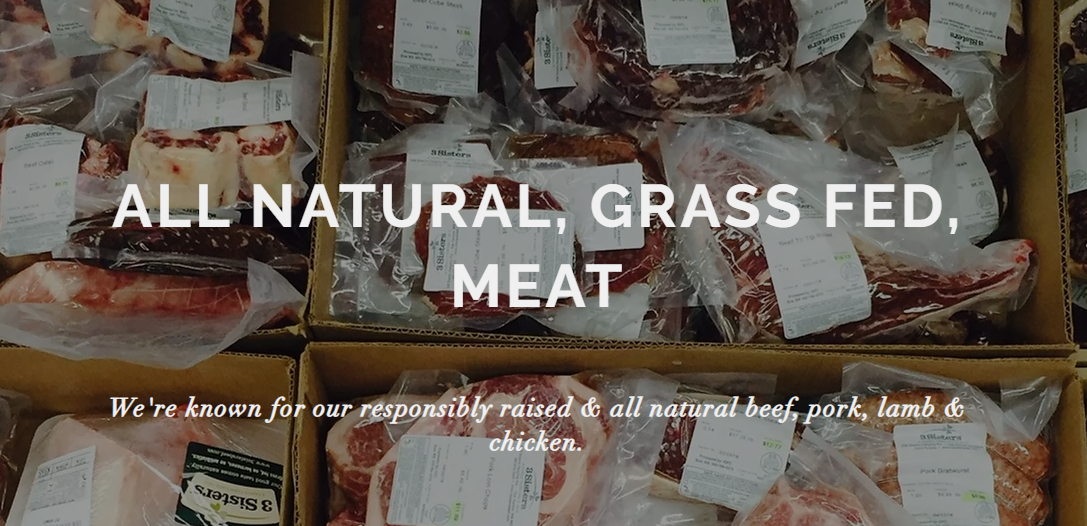
Your local family market & grocery. 3 Sisters Market has been proudly serving our community with quality meats and local goods since 2013.

Work with a local Realtor® who can find you a dream home close to the best local spots

2. Madrona Supply Co
From screen-printed home goods and apparel made in-house to a room filled with local wood slabs for custom projects, we’ve got something to love for everyone. Plus we serve as the HQ for our sister company Turnco Wood Goods .
3. Sweet Mona's Chocolate Boutique
We sweeten the world with outstanding chocolates, outstanding people, and outstanding service.


4. Bayleaf
We are a enthusiastic team of food and wine lovers who want to share our latest discoveries with you! So much more than a store, bayleaf will forever be your home for exceptional quality, amazing delights, and helpful, friendly people. .
5. Bayview Garden
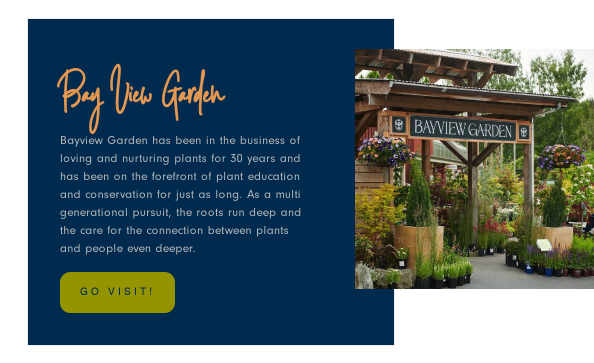
Bayview Garden has been in the business of loving and nurturing plants for 30 years and has been on the forefront of plant education and conservation for just as long. As a multi generational pursuit, the roots run deep and the care for the connection between plants and people even deeper.
Article contributed by:


10 Tips to Help Winterize Your Home on Whidbey Island

Contributed by Si Fisher
As winter approaches, it's important to take some steps to prepare your home for the colder weather. This can save you big bucks on the heating bill, and as a homeowner we all know how important it is to maintain the greatest investment we have and protect it from potential damage.
Here are 10 tips to help you winterize your home on Whidbey Island
(Tip #10 might be the most important when living on Whidbey Island, don't miss it!)
1. Seal windows and doors to keep the cold air out, and replace weather-stripping.
Small leaks can reduce your home's energy efficiency by as much as 30% annually! This leakage can be significantly reduced with some straightforward and affordable caulking of windows and weather stripping on doors. Below are a couple videos that will help you if you want to take on these projects yourself.
Work with a local Realtor® who has a rolladex of local vendors to help with home projects!
2. Add or Install insulation in the attic or crawlspace
The attic is where insulation is most useful.
Unfortunately, the attic insulation in the majority of homes is either nonexistent or inadequate. The U.S. Environmental Protection Agency recommends that attics have at least R-38 insulation, which is generally 10 to 14 inches deep.
The hot air in the rooms below won't be able to enter the attic if the attic floor is adequately insulated. Caulking any ceiling penetrations—holes around pipes, ducts, and wires—as well as installing an insulated cover over the attic hatchway or stairs are equally crucial.
You could also look into getting your crawl space insulation on lock as well!
Check out this article for tips on crawl space insulation:
Or this video for installation tips:
3. Cover windows with heavy curtains or use plastic sealing kits to keep heat in.
In the winter, even the greatest, tightest-sealing windows seem a little chilly. Cover windows with insulated shades, heavy or thermal insulated curtains, or you can also get easy to install plastic shrink kits to make spaces seem warmer.
Highly Rated BUDGET Thermal Curtains on Amazon
4. Check Your Fireplace
Creosote accumulation or animal nests might be dangerous in your wood-burning fireplace. Before lighting the first fire of the season, have an annual inspection. In addition to creosote the chimney can accumulate soot and other waste that an inspection will help identify.
An inspection can tell you wether or not your chimney needs to be cleaned, and if it is needed, it's best to have a professional get the job done. Additionally, clean out any ash that has accumulated in the firebox using a vacuum or broom.
Likewise, regular cleaning and maintenance are needed for an electrical or propane fireplace. To maintain your model running smoothly and safely, follow the manufacturer's instructions.
Are you the DIY type? Below are some links for chimney cleaning supplies, and a how to video:
Chimney Cleaning Supplies on Amazon
Electric Fireplace Insert on Amazon
5. Clean your gutters and downspouts
Gutter cleaning is a crucial aspect of getting ready for winter. As soon as the last of the autumn leaves have fallen, it's a good idea to get the gutters cleaned. Examine and clear the gutters of leaves and other debris to avoid clogs. Additionally, clear gutters will enable appropriate drainage of melting snow.
Gutter guards are an option to consider if you want to prevent gutter cleaning. They can be manufactured of polyvinyl chloride (PVC), aluminum, or stainless steel and help keep leaves, pine needles, grit from roofs, and other debris out of your gutter. To maintain the guards' full efficiency, they periodically need to be brushed off, but this is not as laborious as regular cleaning.
6. Disconnect hoses from outdoor faucets and drain them properly
Remember to disconnect and drain all exterior hoses and irrigation. You don’t want them damaged! In addition, it is wise to cover your outside faucets to prevent pipes from bursting. They are pretty easy to install.
Deluxe Faucet Protector on Amazon
Standard Faucet Protector on Amazon
Blowout Valve Adapter on Amazon
Male to Male Adapter on Amazon
7. Change the furnace filter every 3 months
A clean filter helps improve the efficiency of your furnace. The airflow is obstructed by a filthy filter that has dust, pollen, lint, and other debris trapped inside of it, which makes your furnace work harder to heat your house. Filters should be changed at least every three months.
Same goes for your HP-mini split, except most filters only need to be replaced once a year. They can also be cleaned regularly (at least once a month), to improve efficiency.
8. Check roof for missing or damaged shingles
Again I must reiterate how important it is to protect your most important investment. There are few things worse than a damaged roof that leads to water damage! So, get up there yourself to check for damaged shingles, or pay a professional to take a look.
Best Marshalltown Trowel on Amazon
4-Pieces Pry Bar Set on Amazon
9. Add a layer of mulch to your garden beds to protect plants from frostbite
Protect your beautiful plants & landscaping! Adding a layer of mulch can protect some plants from frostbite, but you may even have potted plants you want to bring indoors for the winter.
They also offer cheap hoop house kits on amazon that are great for a little winter gardening!
Greenhouse Hoops for 3ft or Wider Grow Tunnel on Amazon
You can also check out these cheap DIY hacks to protect your plants in Winter:
10. Consider investing in a generator or make sure your existing one is well maintained and ready to go
On Whidbey it is pretty much inevitable that we will see some winter power outages. If you rely on electric heating, your home's temperature will drop quickly throughout the winter, posing a serious threat to everyone's safety, especially when it drops below freezing. Even as the storm rages outside, a generator can keep your furnace running or at least a space heater or two, until the main power is restored, keeping you warm and cozy. Other benefits include charging your mobile devices, powering your internet router and wifi, and making sure your fridge/freezer continue running as needed.
2350-Watt Portable Inverter Generator on Amazon
1500W Ceramic Personal Heater on Amazon
7000-Watt Inverter Generator on Amazon
24kW Home Standby Generator on Amazon
One might think it goes without saying, but for safety reasons it is worth mentioning that if you are using a generator, it needs to be ran outside to avoid getting carbon monoxide poisoning which can be lethal. You also might invest in getting a cover to protect your outside generator from the elements.
Article contributed by:
Si Fisher


Want to join the Windermere Team?
Click here for Freeland / Langley
Windermere Real Estate/South Whidbey

© 2023 Windermere real estate
