Facebook
 X
X
 Pinterest
 Copy Link

For many Whidbey Island homeowners, the question is not simply “Should I sell?” It is “Does this home still fit the life I want now, and the life I may need a few years from now?”
That question can come up quietly. Maybe the stairs feel a little steeper than they used to. Maybe the yard takes more time than it gives back. Maybe family is farther away, healthcare appointments are becoming more frequent, or the house that once felt perfectly sized now feels like more space than you want to manage.
It can also come from the opposite direction. You may love your neighborhood, your garden, your view, your community, and your routines. On Whidbey Island, those roots matter. Staying may be the right answer. Selling may be the right answer. Sometimes the best first step is not making a decision immediately, but getting a clearer picture of what each path would actually require.
Image and listing note: The editorial lifestyle images in this guide are visual representations of next-chapter living on Whidbey Island, not documentary photos of specific homeowners or homes. Active listings change quickly. The homes featured below were selected as examples of residential-style options that may fit different next-chapter needs, such as main-floor living, lower-maintenance layouts, flexible guest space, or move-in-ready comfort. Always confirm current status, pricing, availability, and property details with a Windermere Whidbey agent.
Key Takeaways
- Staying can work beautifully when the home can be made safer, simpler, and more manageable over time.
- Selling may make sense when maintenance, stairs, isolation, ferry logistics, or healthcare access are starting to create friction.
- The best answer is personal, not generic. Whidbey homes vary widely: waterfront cabins, acreage properties, in-town homes, condos, manufactured homes, and low-maintenance new construction all solve different problems.
- Before making a move, compare the real numbers. Look at current market value, likely selling costs, repair needs, buying power, monthly comfort, and lifestyle tradeoffs.
- A local agent can help you pressure-test the decision before you commit to staying, remodeling, downsizing, or selling.

Start With the Real Question: What Do You Need Your Home To Do Next?
A home that worked perfectly ten or twenty years ago may not match your next chapter in the same way. That does not mean anything is wrong with the home. It simply means your life may be asking different things from it now.
For Whidbey Island homeowners, this often comes down to a few practical questions:
- Can you live comfortably on one level if stairs become harder?
- Is the yard, acreage, driveway, or waterfront maintenance still enjoyable?
- Are you close enough to healthcare, groceries, ferry access, friends, and family?
- Would a guest suite, detached studio, or flexible room help family visit or provide support?
- Would selling free up equity, reduce stress, or open the door to a simpler lifestyle?
- If you stay, what improvements would make the home safer and easier to live in?
The goal is not to talk yourself into moving. It is to be honest about whether your home is still supporting your life, or quietly asking more from you than you want to give.
Not Sure Whether Staying or Selling Makes More Sense?
You do not have to figure it out alone. A local Windermere Whidbey agent can help you compare your current home, your likely market value, your next-step options, and what a realistic move would look like on Whidbey Island.
Connect with a Windermere Whidbey agent or browse current Whidbey Island homes for sale.
When Staying May Be the Right Move
Staying can be a strong choice when your home still fits your daily life, your support network is nearby, and the property can adapt without becoming a burden. For many island homeowners, the emotional value of staying is real: familiar neighbors, established gardens, known ferry rhythms, favorite walking routes, and the comfort of a place that already feels like home.
Staying may make sense if:
- You have a bedroom, bathroom, laundry, kitchen, and main living area on one level.
- Your home can be modified with safer entries, better lighting, grab bars, improved flooring, or easier shower access.
- You have reliable help for maintenance, yard work, firewood, storm cleanup, or repairs.
- Your location still supports your healthcare, shopping, ferry, and social needs.
- You have enough financial flexibility to make the home safer without over-improving for the neighborhood.
On Whidbey, this decision also depends heavily on micro-location. A home outside town with acreage may be peaceful and private, but it may also mean more driving, more outdoor maintenance, and more responsibility during winter weather. A home near Langley, Coupeville, Freeland, or Oak Harbor may offer easier daily access, but less privacy or space. Neither is automatically better. The question is what will serve your next chapter best.

When Selling May Be the Better Path
Selling may be worth exploring when the home is starting to create stress, expense, or limitations that are unlikely to improve. This is especially true if you are already avoiding parts of the home, delaying repairs, worrying about stairs, or feeling tied to maintenance you no longer enjoy.
Signs it may be time to look at options include:
- The home has more stairs, square footage, rooms, or land than you realistically want to manage.
- Deferred maintenance is building up faster than you can comfortably address it.
- You need to be closer to family, medical care, the ferry, shopping, or community activities.
- Your current layout does not support aging in place without major renovations.
- You would rather use your equity for retirement flexibility, travel, family support, or a simpler home.
- You want to move while the decision is still proactive, not forced by a health event or urgent repair.
One of the most helpful things a homeowner can do is run the numbers before the decision becomes urgent. A local pricing conversation can show what your home may be worth today, what improvements might matter before listing, and what kinds of replacement homes are realistically available in your desired price range.

Think in Terms of Fit, Not Just Size
Downsizing is not always about moving into the smallest possible home. For many Whidbey homeowners, the better word is right-sizing: choosing a home that fits the way you actually want to live now.
That might mean:
- a single-level home near Freeland shops and services
- a smaller view home with less yard maintenance
- a condo or townhome-style property with exterior maintenance handled differently
- a home with guest space for family visits or caregiving support
- a move-in-ready home that does not require a long renovation list
- a more central location that shortens daily drives
For some homeowners, the ideal next home is not dramatically smaller. It is simply easier: fewer stairs, newer systems, better layout, less upkeep, more convenient location, or more flexible living space.
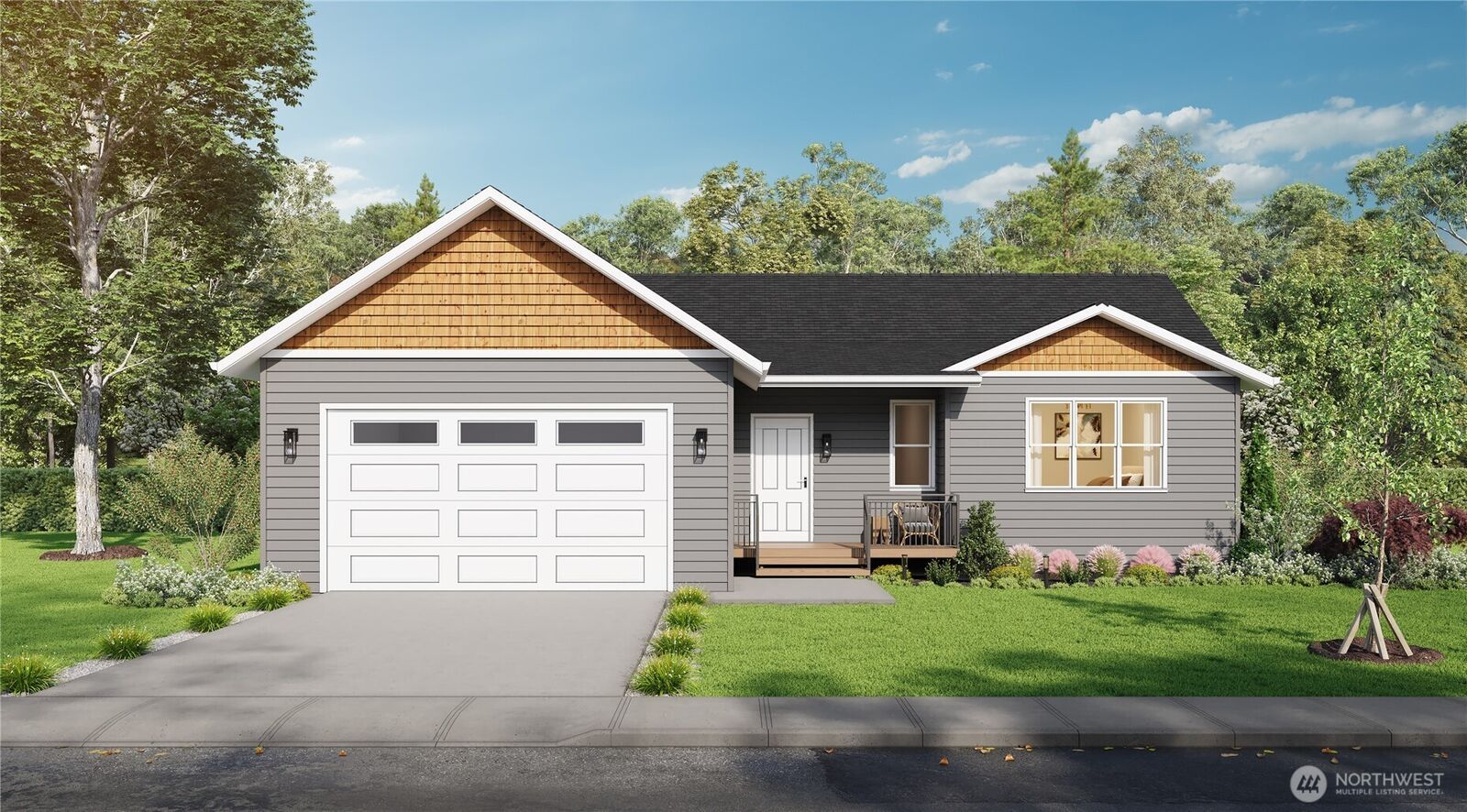
Example Next-Chapter Fit: Single-Level New Construction in Freeland
1806 Twin Oaks Lane, Freeland is an active 3-bedroom, 2-bath residential listing with approximately 1,695 square feet, a single-level layout, new construction, and a location near Freeland amenities.
For buyers thinking about easier living, this type of home can be appealing because it combines a fresh build, one-level design, and central South Whidbey convenience without moving off island.
What About Staying and Remodeling?
Sometimes the right answer is not selling. It is modifying the home you already own. Before assuming you need to move, consider what targeted changes could make your current home safer, more comfortable, and easier to maintain.
Possible updates include:
- adding or improving main-level sleeping space
- replacing a tub with a more accessible shower
- improving exterior lighting and entry paths
- adding handrails, grab bars, or safer flooring
- reducing high-maintenance landscaping
- updating heating, cooling, or windows for year-round comfort
- creating better guest or caregiver space
The key is comparing renovation cost against long-term fit. A $20,000 improvement that helps you comfortably stay for ten years may be a great investment. A much larger remodel on a home that still has major location, stair, or maintenance drawbacks may be less practical.
Whidbey-Specific Factors To Weigh
Whidbey Island adds a few local layers to the stay-or-sell decision. A home that looks perfect on paper may feel different depending on ferry access, winter driving, proximity to services, or how much land and shoreline care it requires.
Ferry and Driving Patterns
If you rely on the Clinton ferry, make regular mainland medical appointments, or have family visiting from off island, location matters. A beautiful private setting may still be worth it, but the travel pattern should feel realistic, not exhausting.
Healthcare and Daily Services
Being closer to Coupeville, Freeland, Oak Harbor, or local clinics may become more important over time. Even small reductions in driving can make daily life easier.
Maintenance and Weather
Island homes can face salt air, wind, trees, drainage issues, septic systems, wells, bluff considerations, and storm cleanup. If maintenance is starting to feel like a second job, that matters.
Community and Belonging
Do not underestimate the value of neighbors, routines, favorite businesses, faith communities, clubs, beaches, trails, and familiar town rhythms. The right real estate decision should support your life, not just your square footage.
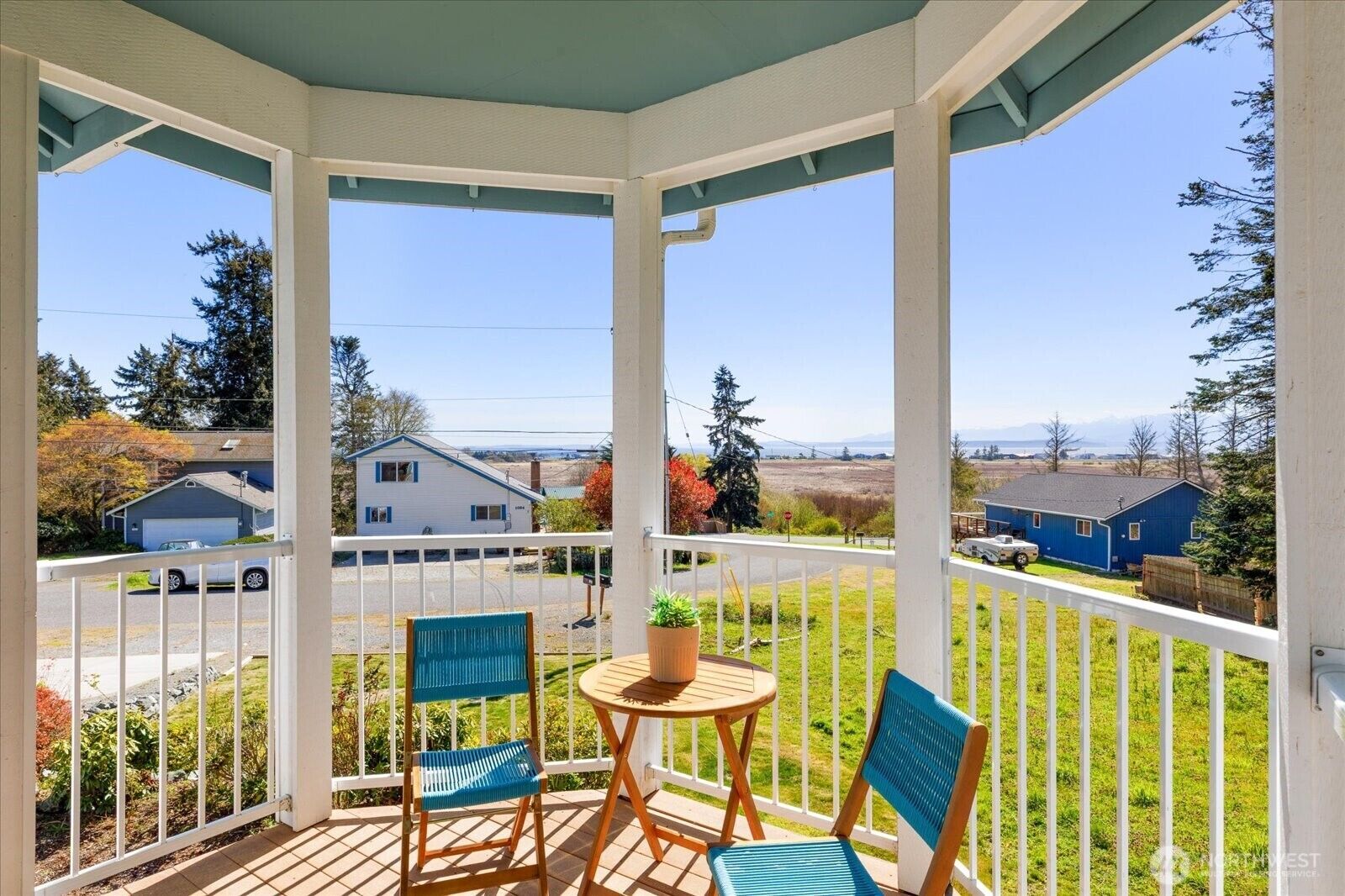
Example Next-Chapter Fit: Views, Amenities, and Move-In-Ready Comfort
1041 Halsey Drive, Coupeville is an active 2-bedroom, 2-bath residential listing with approximately 1,500 square feet, views of Admiralty Inlet and the Olympic Mountains, and community amenities in Admirals Cove.
For someone who wants a more manageable footprint without giving up the feeling of Whidbey scenery, this type of home shows how “smaller” can still feel special.
Use Your Equity Strategically
Many long-time Whidbey homeowners have built meaningful equity. That equity can create choices, but only if you understand what it can realistically do for you.
A market review can help you estimate:
- your likely sale price range
- repairs or updates that may affect buyer response
- estimated selling costs
- how much cash may be available after a sale
- what you could buy locally or elsewhere
- whether a purchase before sale, sale before purchase, or contingent move is realistic
This is where local expertise matters. Whidbey values can shift sharply based on town, view, waterfront, acreage, condition, ferry proximity, and lifestyle appeal. A generic online estimate may miss the details that actually drive buyer interest here.
Questions To Ask Before You Decide
If you are trying to decide whether to stay or sell, these questions can help clarify the next step:
- What parts of my home do I still love?
- What parts of my home do I avoid, worry about, or postpone dealing with?
- If I stayed five more years, what would need to change?
- If I sold, where would I realistically go?
- Would I want to stay on Whidbey, move closer to family, or split time between places?
- How much maintenance do I want in this next season of life?
- Do I need guest space, caregiver flexibility, rental potential, or a lock-and-leave setup?
- Would moving now give me more control than waiting until I have to move?

Example Next-Chapter Fit: Main-Floor Living With Room for Guests
5427 Bayview Road, Langley is an active 3-bedroom, 4-bath residential listing with approximately 5,056 square feet, a main-level primary suite, flexible guest spaces, and a central South Whidbey location near Bayview, Langley, Freeland, and the Clinton ferry.
This is not a downsizing example. It is a good reminder that some next-chapter buyers still want room for family, hobbies, hosting, or extended stays while prioritizing main-floor comfort and island convenience.
If You Decide To Sell, Preparation Matters
If selling becomes the right path, the goal is to make the process feel calm, organized, and strategic. That usually starts before the home is listed.
A good pre-listing plan may include:
- a realistic pricing conversation based on local buyer demand
- a walkthrough to identify high-impact repairs and low-return projects to skip
- decluttering and staging guidance that respects the way you actually live
- a plan for timing, photography, listing launch, and showing logistics
- a discussion about where you will go next and how to coordinate the move
For longtime homeowners, this can feel emotional. A home may hold decades of holidays, family visits, garden seasons, pets, projects, and memories. The right agent should understand that selling is not just a transaction. It is a transition.
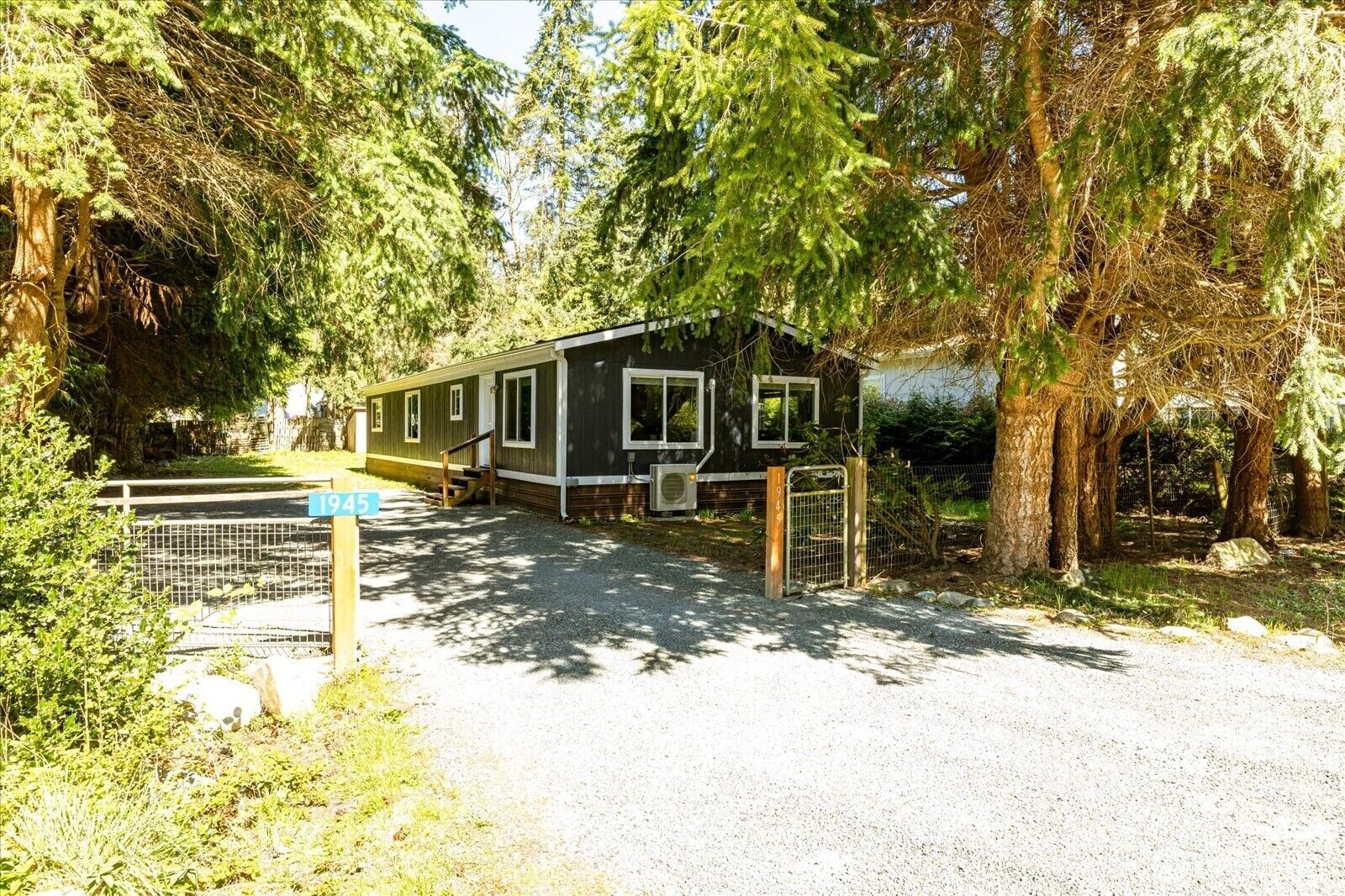
Example Next-Chapter Fit: Refreshed, Single-Level Island Living
1945 Beachwood Drive, Freeland is an active 3-bedroom, 2-bath listing with approximately 1,712 square feet, a single-level layout, refreshed finishes, and a peaceful evergreen setting near Freeland amenities and beaches.
For buyers looking for a full-time residence, weekend place, or simpler island setup, this type of home can offer comfort without the scale or upkeep of a larger estate property.
A Gentle Way To Start
You do not have to make the stay-or-sell decision all at once. A thoughtful first step is simply to gather information:
- What is your home likely worth in today’s Whidbey market?
- What would it take to make the home work better if you stayed?
- What homes are available that might fit your next chapter?
- What timeline would give you the most control?
- What would make the decision feel peaceful instead of rushed?
For some homeowners, that conversation confirms that staying is the right answer. For others, it opens a path toward a simpler, safer, or more flexible home. Either way, clarity is valuable.

Thinking About Your Next Chapter on Whidbey?
Whether you are considering aging in place, downsizing, moving closer to town, or simply understanding your options, Windermere Whidbey can help you make a local, practical, pressure-free plan.
Talk with a local Windermere Whidbey agent about your home, your goals, and what your next chapter could look like.
You can also explore current Whidbey Island listings to see what kinds of homes may fit the life you want next.
FAQ: Staying or Selling Your Whidbey Island Home
How do I know if I should stay in my Whidbey Island home or sell?
Start by looking at daily fit, not just market conditions. If the home is safe, manageable, financially comfortable, and still supports your lifestyle, staying may make sense. If maintenance, stairs, location, healthcare access, or isolation are becoming concerns, it may be time to compare selling and right-sizing options.
Is downsizing the same as moving into a much smaller home?
No. Many Whidbey homeowners are better served by right-sizing, which means choosing a home that fits their next chapter. That may mean single-level living, less yard work, a newer home, a more convenient location, or flexible guest space rather than simply choosing the smallest property.
Should I renovate my current home before deciding to sell?
Sometimes, but not always. Small safety, comfort, and maintenance improvements may make staying realistic. Larger renovations should be weighed against your long-term needs, current market value, and what it would cost to buy a better-fitting home.
What Whidbey-specific issues should I consider before aging in place?
Consider ferry access, winter driving, proximity to healthcare and groceries, septic or well maintenance, storm cleanup, stairs, yard care, waterfront or bluff responsibilities, and whether your support network is close enough for the years ahead.
Can a local real estate agent help even if I am not ready to sell?
Yes. A good local agent can help you understand your home’s current market value, likely buyer expectations, possible preparation items, and what replacement homes may cost. That information can help you decide whether to stay, remodel, sell soon, or simply plan ahead.