Facebook
 X
X
 Pinterest
 Copy Link

Buyer Guide · Whidbey Island Real Estate
Whidbey Island is easy to fall in love with.
The beaches, the towns, the slower rhythm, the trees, the views, and the feeling of being just a little outside the rush of everything else are all very real. But for out-of-area buyers, it is important to understand that buying on Whidbey is not always as straightforward as buying in a more typical suburban or urban market.
Septic systems, private wells, ferries, bluff and waterfront considerations, private roads, insurance questions, and meaningful differences between one Whidbey community and another can all affect the buying experience. That is exactly why local guidance matters here.
Why Buying on Whidbey Feels Different
Systems
Septic and wells are common
You may be evaluating systems many off-island buyers rarely deal with directly.
Access
Ferries, roads, and distance matter
A home’s daily convenience can change dramatically depending on where it sits.
Property Type
Waterfront and rural homes carry extra nuance
Insurance, maintenance, and ownership realities can vary widely.
Local Context
Micro-markets really matter here
Langley, Freeland, Clinton, Greenbank, Coupeville, and Oak Harbor are not interchangeable buyer experiences.

Why Whidbey Is Different From a More Typical Market
Many out-of-area buyers begin with the right instinct: they search listings, compare photos, check prices, and start narrowing down locations. But on Whidbey Island, that is only part of the story. A home can look perfect online and still come with questions that matter a great deal once you begin looking more closely.
That does not mean buying here is risky by default. It means the due diligence is often more local, more property-specific, and more nuanced than buyers first expect. The more clearly you understand those differences, the better decisions you can make.
Septic Systems and Wells Matter More Than Many Buyers Realize
On Whidbey, many homes are not connected to the kinds of utility systems buyers from larger cities or denser suburbs may be used to. Septic systems and private wells are common, and understanding their condition, capacity, maintenance history, and inspection status can make a meaningful difference in how confident you feel about a property.
The Windermere buyer guide reinforces this well: buyers should be thinking not just about the home itself, but also about inspections, water testing, septic review, and how those pieces fit into the overall process. This is one of the first places where local expertise becomes valuable. A local broker is more likely to help you ask the right questions early — not after you are already emotionally attached to a home.
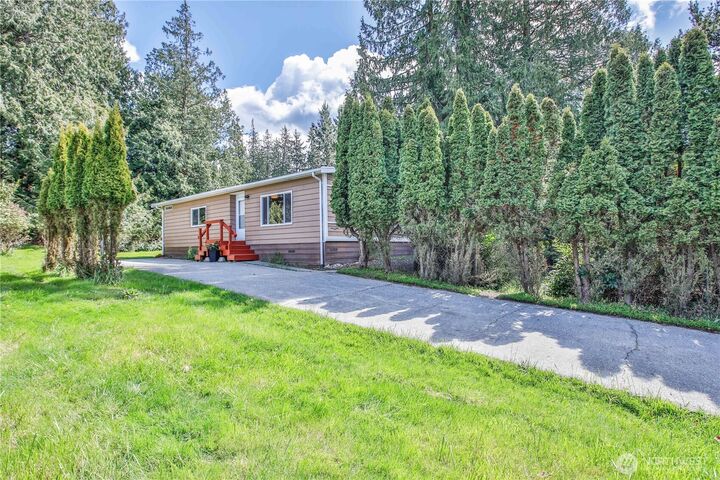
Featured Listing: 3239 Mardell Drive, Langley — $399,000
A Good Example of Why Local Context Matters
This Langley-area home highlights something buyers often discover on Whidbey: neighborhood amenities, beach access, lot feel, and community setup can affect value and lifestyle just as much as bedroom count or square footage.
That is where local guidance helps turn a listing from “interesting online” into “a real fit or not.”
Ferries, Roads, and Daily-Life Logistics Can Shape the Experience of Ownership
Not every Whidbey property lives the same way day to day. Commute habits, ferry use, private-road access, weather exposure, and distance to the towns or services you care about can all influence whether a home feels easy, isolated, convenient, or more work than expected.
For some buyers, that is part of the appeal. For others, it becomes a surprise. Understanding not just the home, but how the location functions in real life, is one of the biggest advantages of working with someone who knows the island firsthand.

Waterfront, Bluff, Rural, and Insurance Questions Add Another Layer
Whidbey properties can differ dramatically depending on whether they are inland, wooded, waterfront, bluffside, part of a private community, or served by systems and access routes that are less common elsewhere. Insurance questions, maintenance expectations, and property-specific due diligence can shift quickly based on those factors.
Two homes with similar square footage and price points may carry very different ownership realities. That is exactly why local context matters so much more than simply comparing listing specs side by side.
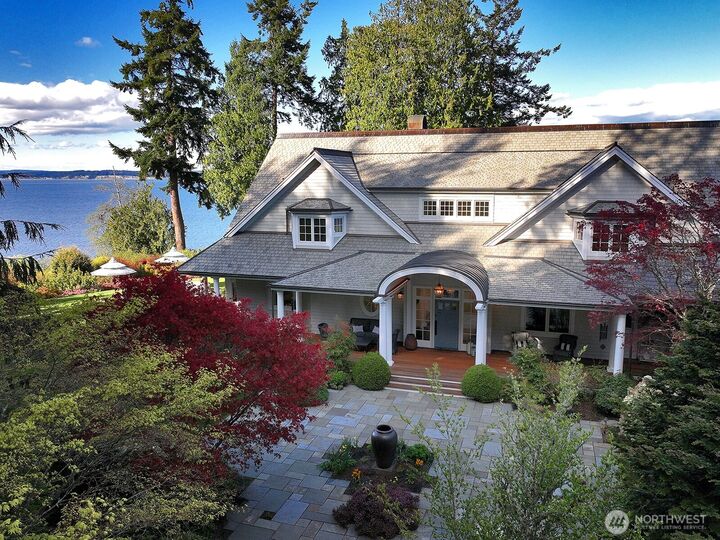
A Different Ownership Picture at a Higher Price Point
At the upper end of the market, the stakes on due diligence only rise. Complex properties can bring privacy, views, acreage, and extraordinary appeal — but they also increase the value of asking better questions before moving forward.
That is one reason truly local representation matters across every price bracket.
A Quick Market Reality Check
This is not a market where buyers can assume nothing is happening and they have unlimited time to figure everything out later.
- 30 homes sold from Clinton to Greenbank in the last 30 days
- 6 of those sales were between $1,048,000 and $1,950,000
The takeaway is simple: buyers who understand the local landscape are in a better position to move with confidence when the right home appears.
Whidbey’s Micro-Markets Are Not All the Same
One of the easiest mistakes for out-of-area buyers is assuming that Whidbey works as one unified experience. It does not. Langley feels different from Freeland. Freeland feels different from Greenbank. Clinton, Coupeville, and Oak Harbor each come with their own rhythms, conveniences, tradeoffs, and property patterns.
The right fit is not just about the prettiest listing. It is about matching lifestyle, access, property type, and expectations to the part of the island that actually supports how you want to live.

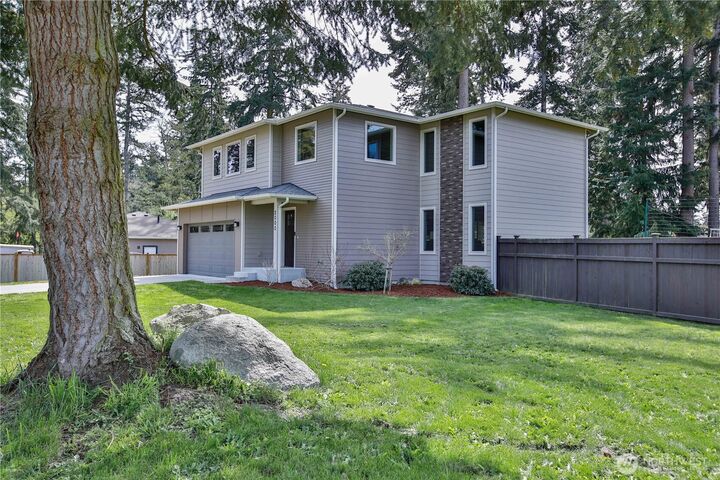
A Useful Mid-Market Comparison Point
This Coupeville listing shows why local comparison matters. A well-maintained, newer home in one part of the island can offer a very different day-to-day ownership experience than a beach-community cottage, acreage property, or bluffside home somewhere else.
Buyers benefit when someone helps them compare more than just price and photos.
Why Working With a Local Whidbey Broker Matters
This is the part many buyers underestimate. A good local broker is not just there to unlock doors or send listings. On Whidbey Island, the right broker can help you ask smarter questions sooner, notice potential blind spots, compare communities more accurately, and understand what really matters for the kind of home you are considering.
That kind of guidance is especially valuable if you are coming from out of area. The more unique the market, the more local knowledge becomes a practical advantage rather than a nice bonus.
Find a Local Whidbey Expert Before You Go Too Far Down the Road
If you are serious about buying on Whidbey Island, one of the smartest first steps is connecting with a broker who knows the island’s communities, property types, and practical ownership realities. You can start here: meet the Windermere Whidbey agents.
Frequently Asked Questions
Why is buying a home on Whidbey Island different from buying in a more typical market?
Whidbey buyers often need to evaluate septic systems, private wells, ferry and access realities, waterfront or bluff considerations, private roads, and meaningful differences between towns and neighborhoods. Those factors can change the buying experience more than many out-of-area buyers expect.
What should buyers ask about septic systems and wells on Whidbey Island?
Buyers should ask about inspection status, maintenance history, water testing, system condition, and how those systems fit into the overall purchase process. These questions matter because many Whidbey homes rely on systems buyers may not deal with regularly elsewhere.
Do ferries and location really affect daily life that much?
Yes. Ferry use, road access, commute patterns, weather exposure, and distance to services can all shape whether a property feels convenient, remote, easy, or more demanding than expected.
Why should out-of-area buyers work with a local Whidbey broker?
A local broker can help buyers ask smarter questions earlier, compare communities more accurately, spot property-specific issues, and understand practical ownership realities that are not always obvious from listing photos alone.
A Better Buying Experience Starts With Better Local Questions
Whidbey Island can be an extraordinary place to buy a home. But the buyers who tend to feel best about their decisions are usually the ones who take the local differences seriously from the beginning. Ask better questions, get more specific guidance, and work with someone who understands the island well enough to help you see beyond the listing photos.
Written by Si Fisher