Facebook
 X
X
 Pinterest
 Copy Link
A Practical Guide to Health Care on Whidbey Island

For many people considering life on Whidbey Island, health care is one of the biggest practical questions: What can you handle locally, what requires a trip off island, and how should that factor into where you choose to live?
Whidbey Island has more local health care infrastructure than many people expect. The island is served by WhidbeyHealth, a community-owned public hospital district, along with primary care, walk-in care, emergency medical services, rehabilitation, pharmacies, dental and vision practices, mental health providers, and additional options for eligible military families through Naval Health Clinic Oak Harbor.
At the same time, Whidbey is still an island community. Some specialty care, advanced procedures, complex diagnostics, pediatric subspecialties, high-risk maternity needs, major trauma, and academic medical care may require travel to Anacortes, Mount Vernon, Everett, Seattle, Bellingham, or another regional care center.
This guide is designed to give residents, retirees, families, and future Whidbey buyers a realistic overview of health care on Whidbey Island: what is available locally, where limitations can show up, and how to think about off-island care without letting it become a surprise later.
Important note: This guide is for general local-planning information only and is not medical advice. Health care services, hours, provider availability, insurance participation, referral requirements, and new-patient status can change. Always confirm details directly with the provider or health system. If you are experiencing a medical emergency, call 911. Editorial images in this guide are visual representations, not documentary photos of specific providers, patients, facilities, or listings.
Key Takeaways
- WhidbeyHealth is the island’s main healthcare hub, with WhidbeyHealth Medical Center in Coupeville, 24/7 emergency care, EMS, primary care, walk-in care, and more than 20 service areas.
- Emergency care is available on island, and WhidbeyHealth’s Emergency Department is listed by WhidbeyHealth as a Level 4 Trauma Center, Level 2 Cardiac Center, and Level 3 Stroke Center.
- Everyday care is realistic locally, including primary care, walk-in care, labs, imaging, pharmacy access, rehabilitation, dental, vision, and many routine health needs.
- Specialist access requires more planning. Some specialties are available locally or nearby, but advanced cardiology, neurology, oncology, pediatric subspecialties, high-risk maternity care, major trauma, and academic specialty care may require off-island trips.
- Where you live on Whidbey matters. North Whidbey has easier driving access toward Anacortes and Mount Vernon, Central Whidbey is closest to WhidbeyHealth Medical Center, and South Whidbey often factors in ferry access to Mukilteo, Everett, and Seattle.
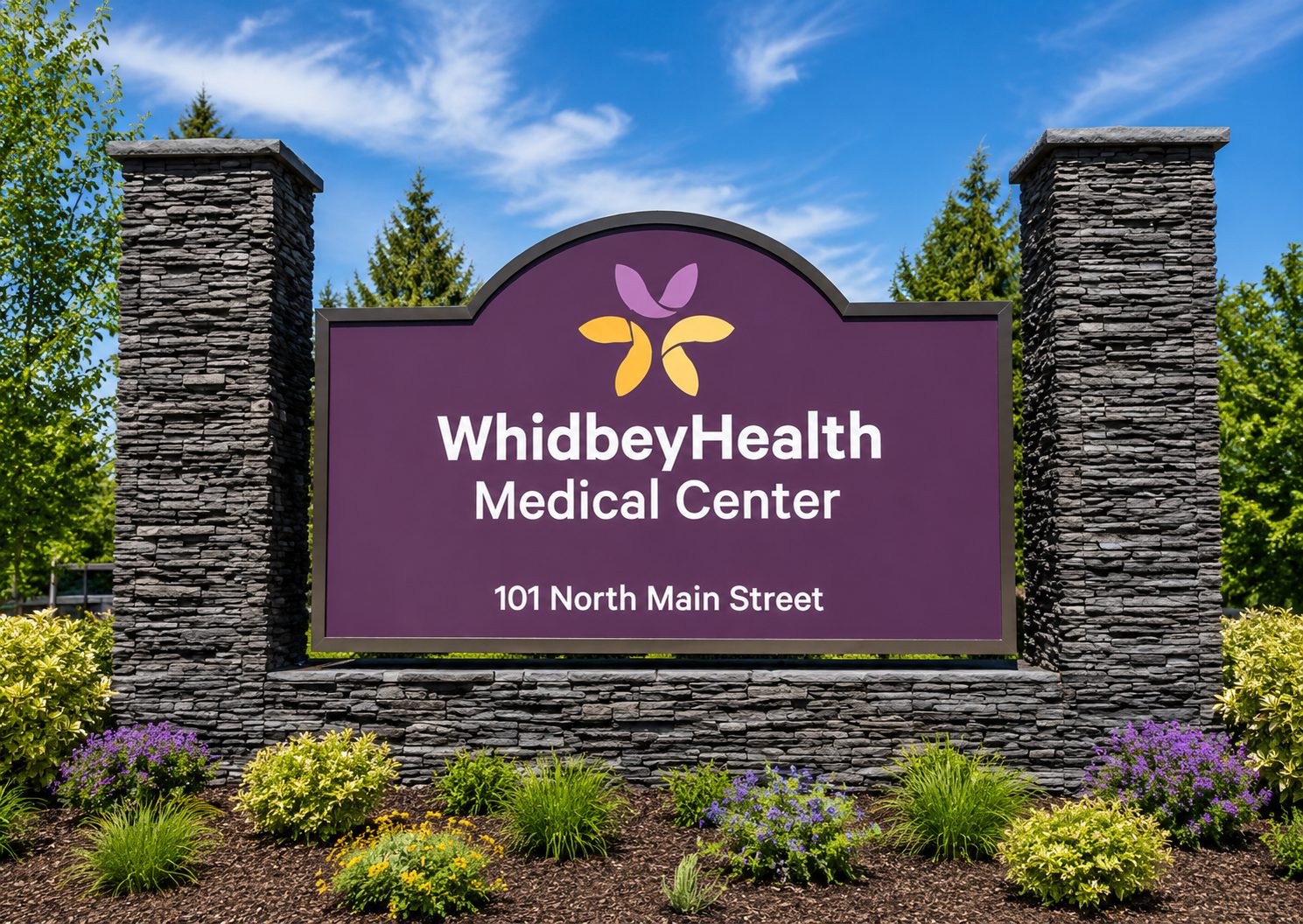
WhidbeyHealth: The Island’s Main Health Care Hub
WhidbeyHealth Medical Center in Coupeville is the center of hospital-based care on the island. WhidbeyHealth describes the medical center as a fully licensed, DNV-Certified Critical Access Hospital and Whidbey Island’s hub for comprehensive health care.
WhidbeyHealth is operated by the Whidbey Island Public Hospital District, a community-owned health system governed by publicly elected commissioners. That local structure matters because the system exists specifically to provide healthcare access for Whidbey Island residents and visitors.
For many routine, urgent, diagnostic, and emergency needs, the first local healthcare conversation starts with WhidbeyHealth or a local primary care provider. For more complex care, WhidbeyHealth and local providers may help coordinate referrals or transfers to larger regional systems.
Emergency Care on Whidbey Island
For emergencies, the simplest rule is the most important one: call 911. Do not try to use a guide like this to decide whether symptoms are serious enough. Chest pain, difficulty breathing, signs of stroke, severe bleeding, serious trauma, loss of consciousness, sudden loss of vision, and other urgent symptoms should be treated as emergencies.
WhidbeyHealth Emergency Care is staffed 24 hours a day. WhidbeyHealth lists its Emergency Department as certified by the Washington State Department of Health as a:
- Level 4 Trauma Center
- Level 2 Cardiac Center
- Level 3 Stroke Center
WhidbeyHealth also notes that its Emergency Department can care for most emergency patients locally, while a smaller percentage require transfer off island for specialized treatment. That is an important distinction: Whidbey has a real emergency safety net, but major trauma, advanced cardiac care, advanced neurologic care, or highly specialized treatment may still require transfer to a larger regional center.
Emergency Medical Services Across the Island
WhidbeyHealth EMS serves the island with emergency response and interfacility transport. For residents, that means emergency planning is not just about the hospital building in Coupeville. It is also about how quickly responders can reach you, what roads connect your home to care, and whether a transfer may be needed for more specialized treatment.
This is especially relevant for people comparing North, Central, and South Whidbey. A beautiful rural setting can be a wonderful place to live, but it is worth thinking honestly about driveway access, winter weather, distance to services, cell reception, and how you would handle urgent care needs.

Everyday Care: Primary Care, Walk-In Clinics, and Routine Health Needs
For day-to-day healthcare, Whidbey residents typically think in terms of primary care, walk-in care, pharmacy access, routine labs, imaging, dental, vision, mental health, and rehabilitation services. Most of these categories are represented on island, but availability can vary by provider, location, insurance, and new-patient capacity.
Primary Care
WhidbeyHealth Primary Care provides routine care such as annual checkups, sick visits, chronic illness management, diabetes management, minor injuries, minor surgical procedures, physicals, and lab work. Primary care is also one of the most important referral pathways when specialty care is needed.
North Whidbey residents may also look at options such as North Island Medical in Oak Harbor, which describes itself as a primary and immediate care practice for the north end of Whidbey Island.
Walk-In and Immediate Care
WhidbeyHealth Walk-In Care lists locations in Clinton, Coupeville, and Oak Harbor. Walk-in care is generally for non-emergency issues such as cold and flu symptoms, minor cuts, sprains, mild asthma, ear or sinus pain, rashes, minor burns, urinary symptoms, and other concerns that need attention but are not life-threatening.
The key is matching the problem to the right level of care. Walk-in care can be appropriate for many minor illnesses and injuries. Emergency care is for symptoms that may be critical, life-threatening, or unable to wait.
Pediatrics and Family Care
Families should verify current pediatric availability directly with local providers. Pediatric Associates of Whidbey Island serves families from Oak Harbor and Freeland, some family medicine practices can care for children, and eligible military families may have access to pediatrics through Naval Health Clinic Oak Harbor. For pediatric subspecialties, complex pediatric conditions, or advanced children’s care, families may need regional options such as Seattle Children’s.
Dental, Vision, Pharmacy, and Rehabilitation
Whidbey has local dental offices, optometry/vision options, pharmacies, physical therapy, rehabilitation resources, and wellness providers across different parts of the island. These are often easy to overlook during a home search, but they matter for daily life — especially for retirees, families with children, and people managing ongoing health needs.
For buyers, this is a practical checklist item: before choosing a home, look at drive times not only to the hospital, but also to your pharmacy, dentist, eye doctor, physical therapist, grocery store, and the ferry or bridge route you would use for off-island appointments.
Local Planning Tip
If you are moving to Whidbey with ongoing prescriptions, regular specialist appointments, mobility concerns, or a chronic condition, set up care before the move whenever possible. Ask providers about new-patient availability, referral timing, pharmacy transfers, telehealth options, and what happens if you need urgent or after-hours care.
Specialists on Whidbey Island: What To Expect
Specialist access is where expectations matter most. WhidbeyHealth says providers represent more than 25 medical specialties available on Whidbey Island, and local systems provide many services close to home. But that does not mean every specialty, procedure, or subspecialty is available locally at all times.
In practical terms, Whidbey residents may be able to handle many routine or moderate needs on island, while more specialized or complex care may require travel. Availability can depend on staffing, referrals, appointment wait times, insurance, and whether a specialist is physically on island or coordinating care through a larger system.
Care More Likely To Be Available Locally or Nearby
- Primary care and family medicine
- Walk-in / immediate care
- Emergency medicine
- Basic lab work and diagnostic imaging
- Chronic condition management through primary care
- Diabetes management and wellness support
- Physical therapy, occupational therapy, rehabilitation, and recovery support
- Some orthopedic, women’s health, behavioral health, and specialty services depending on provider availability
- Dental, vision, pharmacy, and other routine community healthcare services
Care That May Require Off-Island Travel
Some needs are more likely to involve Anacortes, Mount Vernon, Everett, Seattle, Bellingham, or another regional provider. These may include:
- Advanced cardiology or interventional cardiology
- Neurology, neurosurgery, or advanced stroke follow-up
- Complex oncology, radiation oncology, or highly specialized cancer care
- High-risk maternity care, maternal-fetal medicine, or NICU-level care
- Pediatric subspecialists
- Advanced orthopedic surgery, spine care, or complex joint cases
- Advanced gastroenterology procedures or subspecialty care
- Rheumatology, endocrinology, dermatology, allergy/immunology, ENT, or other specialties depending on current availability
- Major trauma or complex emergency transfers beyond local hospital designation
- Academic medical care, clinical trials, or highly specialized tertiary/quaternary care
The realistic takeaway is not that Whidbey lacks care. It is that island living works best when you know which needs can be handled locally and which ones may require a regional plan.

Nearest Off-Island Health Care Options To Know
Off-island care depends heavily on where you live on Whidbey. A North Whidbey resident may naturally look toward Anacortes, Mount Vernon, or Bellingham. A South Whidbey resident may think first about the Clinton ferry, Mukilteo, Everett, and Seattle. Central Whidbey residents often balance both directions while also being closest to WhidbeyHealth Medical Center in Coupeville.
Anacortes: Island Health
Island Health in Anacortes is one of the most relevant nearby off-island systems for many Whidbey residents, especially those on North and Central Whidbey. Island Health describes itself as a public hospital district serving Skagit, Island, and San Juan counties, with primary care and a broad range of specialty services.
Island Health’s site lists specialty and therapy areas such as cardiology, gastroenterology, nephrology, obstetrics and gynecology, orthopedics, psychiatry and behavioral health, pulmonology, sports and spine, surgery, urogynecology, urology, wound care, cardiac rehabilitation, diabetes education, physical therapy, occupational therapy, pulmonary rehabilitation, respiratory therapy, and speech therapy.
Mount Vernon and the Skagit Valley
Mount Vernon and the Skagit Valley can be practical for North Whidbey and some Central Whidbey residents, especially for appointments that are easier to reach by driving north through Deception Pass rather than taking a ferry. Before relying on any specific provider or specialty, confirm referral requirements, insurance participation, and appointment availability directly.
Everett: Providence Regional Medical Center Everett
For South Whidbey, Providence Regional Medical Center Everett is often a realistic regional hospital option after crossing the Clinton–Mukilteo ferry. Providence describes the Everett campus as a major medical center with a Level II Trauma Center.
For people who live near Clinton, Langley, Bayview, or Freeland, the ferry route to Mukilteo and Everett can be a major factor in how they think about specialist appointments, hospital access, and family support.
Seattle: UW Medicine, Seattle Children’s, and Other Major Specialty Centers
When advanced specialty care is needed, Seattle may come into the picture. UW Medical Center is an academic medical center with multidisciplinary specialty care. Seattle Children’s is a major pediatric specialty destination for children with complex needs.
Seattle access can be excellent medically, but it is rarely effortless logistically. Whidbey residents should account for ferry lines, ferry schedules, mainland traffic, parking, appointment timing, and whether a family member or caregiver can help with transportation.
Bellingham: PeaceHealth St. Joseph Medical Center
PeaceHealth St. Joseph Medical Center in Bellingham may be another regional option depending on insurance, referrals, specialty needs, and where you live on the island. For some North Whidbey residents, Bellingham can be part of the broader care map.
North, Central, and South Whidbey: How Location Changes the Health Care Picture
Health care access on Whidbey is not one-size-fits-all. The island is long, and your experience can feel different depending on where you live.
North Whidbey
Oak Harbor and North Whidbey residents have local options such as WhidbeyHealth services, North Island Medical, pharmacies, private practices, and Naval Health Clinic Oak Harbor for eligible military/TRICARE patients. North Whidbey also has the practical advantage of bridge access toward Anacortes, Mount Vernon, and Bellingham.
Central Whidbey
Central Whidbey is closest to WhidbeyHealth Medical Center in Coupeville, which can be an important consideration for people who want to be near the island’s hospital hub. Coupeville also offers small-town living with relatively central access north and south.
South Whidbey
South Whidbey residents often balance local care with ferry access. Clinton, Langley, Freeland, and Bayview can be convenient for island lifestyle, and the Clinton ferry can make Everett and Seattle specialist appointments realistic — but ferry timing becomes part of the plan.

What Buyers and Future Residents Should Ask Before Choosing a Home
If health care access is part of your Whidbey decision, think beyond the nearest hospital. The better question is: how will this location support your real life?
- How far is the home from WhidbeyHealth Medical Center in Coupeville?
- Where is the nearest walk-in clinic or primary care option?
- Which pharmacy would you use?
- Do you need frequent specialist appointments off island?
- Would you usually drive north through Deception Pass or use the Clinton ferry?
- How comfortable are you with winter driving, ferry delays, or longer appointment days?
- If you had surgery or a medical event, who could help with transportation and recovery?
- Does the home support aging in place, mobility needs, or future caregiving?
- Is the driveway, entry, bedroom layout, and bathroom setup practical long term?
These questions do not mean you need to live next door to a hospital. They simply help you choose a home and location with eyes open.
Helpful Local Health Care Directory Links
The providers below are not endorsements or a complete list. Think of them as a practical starting point for checking everyday care categories that matter when you are comparing Whidbey neighborhoods. Always confirm services, hours, insurance, referrals, and new-patient availability directly.
Pediatrics
Pediatric Associates of Whidbey Island is a useful local starting point for families, with Whidbey locations listed in Oak Harbor and Freeland.
Eye Care and Vision
Island Eye Care lists North and South Whidbey offices, and North Cascade Eye Associates’ Whidbey ophthalmology office is another local eye-care resource to check.
Rehabilitation and Physical Therapy
WhidbeyHealth Rehabilitation Care is relevant for physical therapy, occupational therapy, speech therapy, recovery support, and referrals after injury, surgery, or illness.
Chiropractic and Musculoskeletal Care
Whidbey also has private musculoskeletal and chiropractic options, including Whidbey Island Chiropractic in Oak Harbor and providers listed through the Whidbey Island Holistic Health Association.
Dental Care
Dental availability is local but practice-specific. One example to check is Whidbey Dental Associates in Oak Harbor; buyers should also compare dentists near their likely daily errands.
Behavioral Health and Community Support
Island County Behavioral Health is a helpful public resource for local mental-health information, and private counseling clinics may also be available in Oak Harbor, Freeland, and nearby communities.
For people moving to Whidbey, this directory-style check can be just as important as looking at hospital distance. A home may feel very different day to day depending on whether your regular care is five minutes away, 25 minutes away, or tied to a ferry schedule.
Thinking About Moving to Whidbey With Health Care Access in Mind?
A local Windermere Whidbey agent can help you compare neighborhoods, ferry routes, drive times, daily services, and home layouts so your next move fits both your lifestyle and your practical needs.
Connect with a Windermere Whidbey agent or browse current Whidbey Island homes for sale.
Homes That Show How Location and Lifestyle Fit Together
Every buyer’s healthcare priorities are different. Some want to be close to Coupeville and the island’s hospital hub. Others prefer South Whidbey’s ferry access toward Everett and Seattle. Some prioritize single-level living, newer systems, or a lower-maintenance footprint. The examples below are active residential-style listings that show how different Whidbey locations can support different next-step needs.
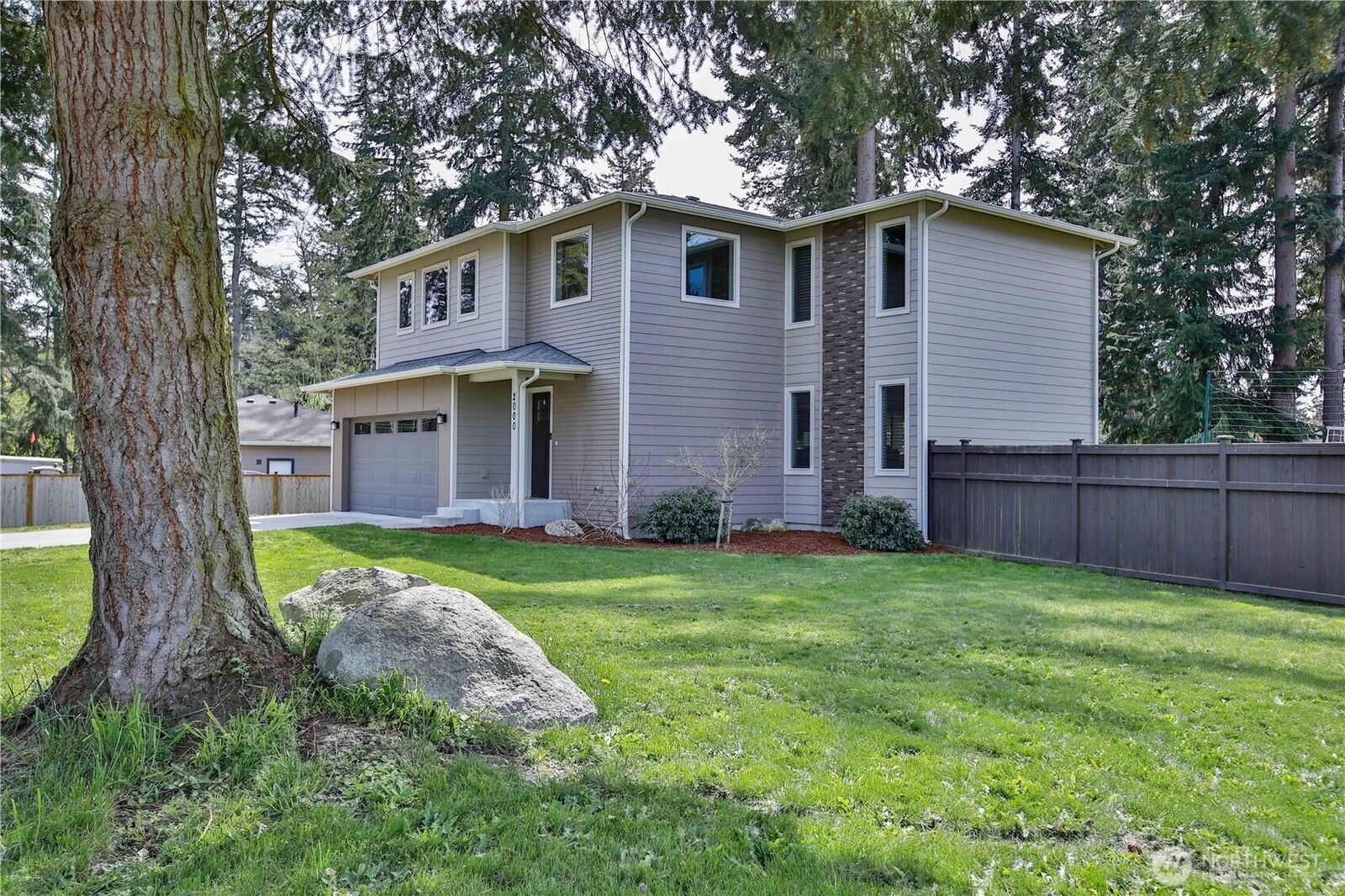
Example Fit: Central Whidbey Access in Coupeville
2000 Virginia Avenue, Coupeville is an active residential listing in Central Whidbey. For buyers who want to be near Coupeville and the island’s main hospital hub, this type of location can be especially practical.
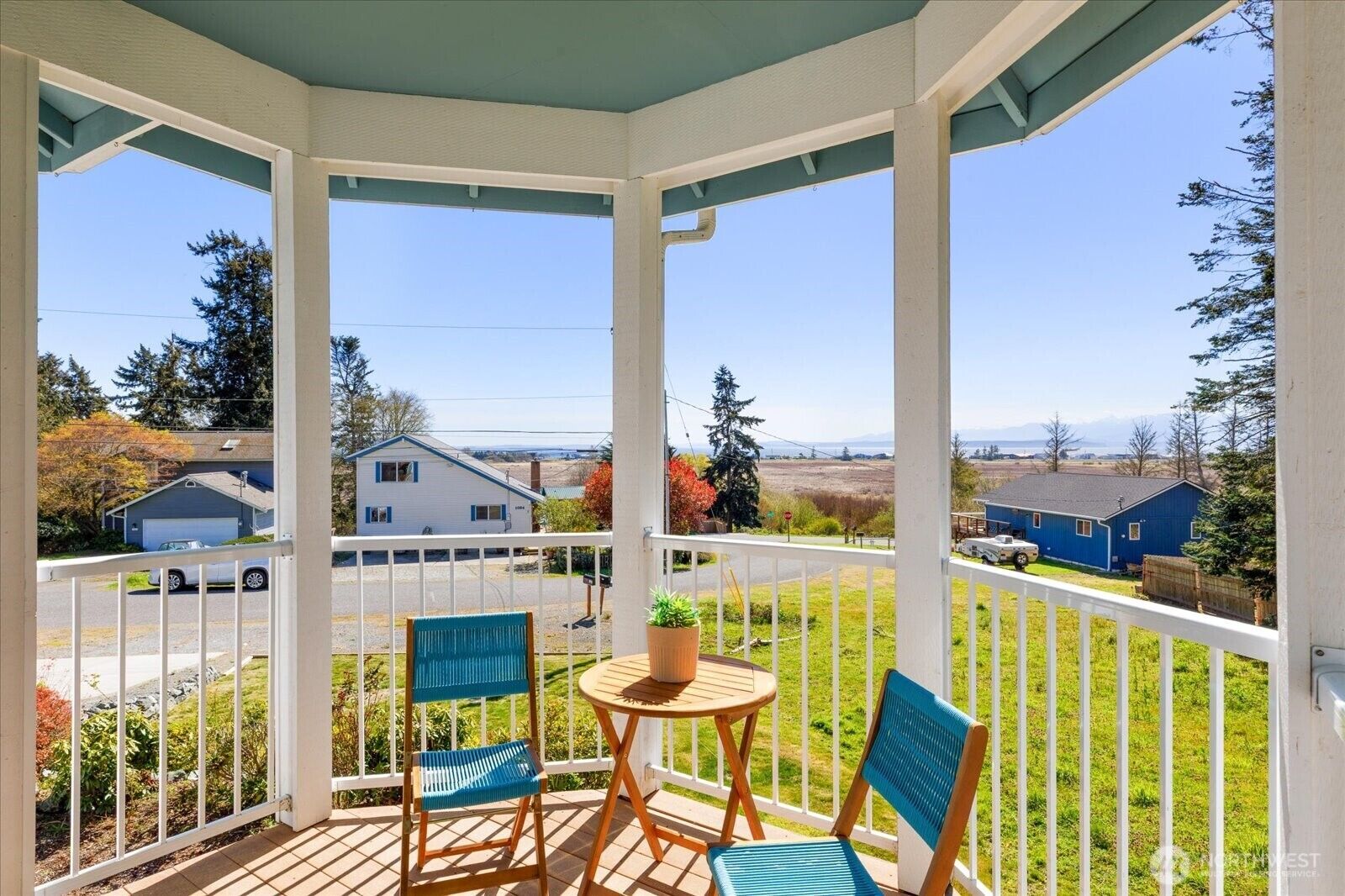
Example Fit: Manageable Footprint Near Coupeville
1041 Halsey Drive, Coupeville is an active 2-bedroom, 2-bath residential listing with approximately 1,500 square feet, views of Admiralty Inlet and the Olympic Mountains, and Admirals Cove amenities. It shows how a smaller home can still offer a strong Whidbey lifestyle while keeping Central Whidbey services within reach.
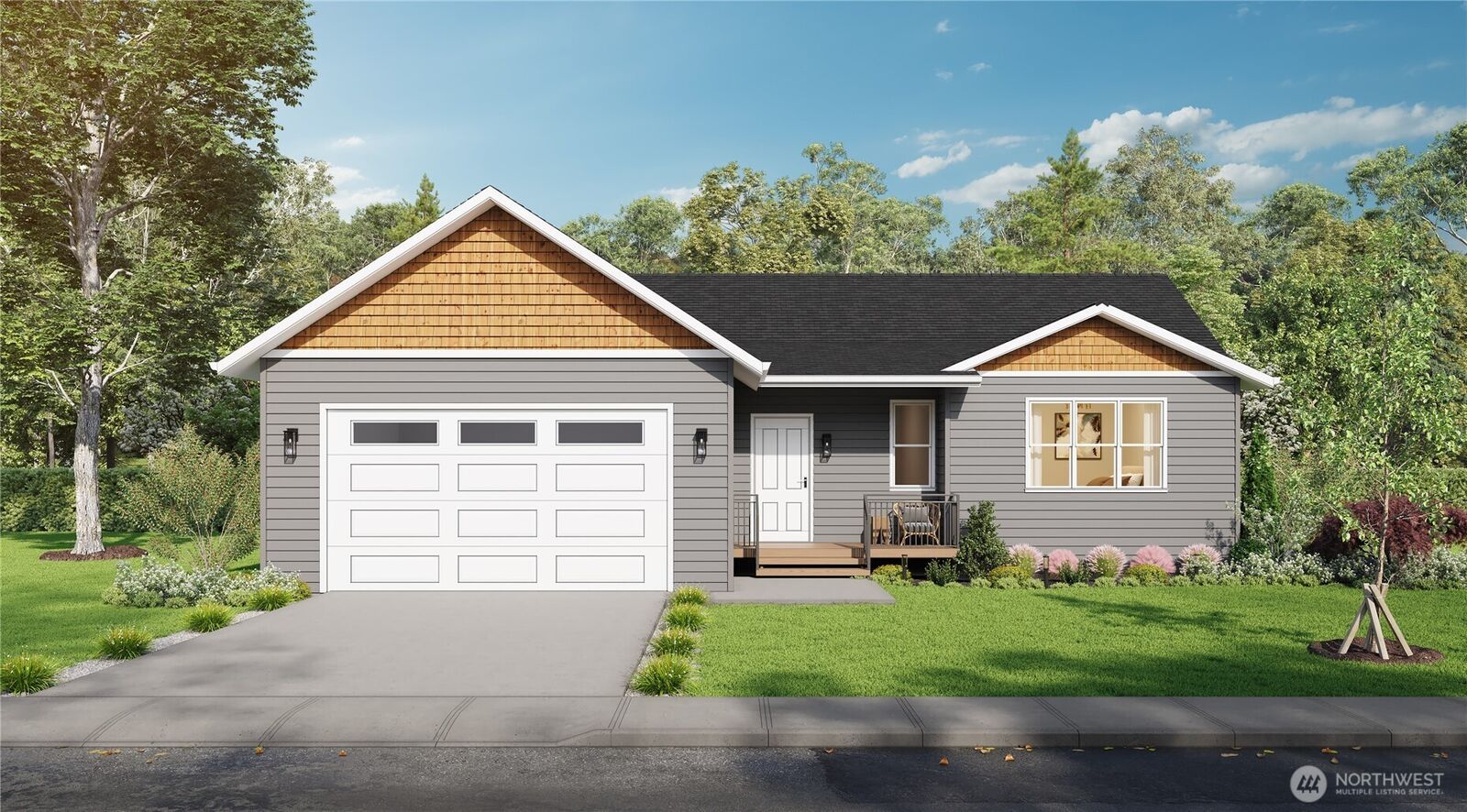
Example Fit: Single-Level Living Near Freeland Services
1806 Twin Oaks Lane, Freeland is an active 3-bedroom, 2-bath residential listing with approximately 1,695 square feet, new construction, and a single-level layout. For buyers thinking about long-term livability, fewer stairs and proximity to everyday services can matter as much as square footage.

Example Fit: South Whidbey Space With Main-Floor Comfort
5427 Bayview Road, Langley is an active 3-bedroom, 4-bath residential listing with a main-level primary suite, flexible guest spaces, and a location near Bayview, Langley, Freeland, and the Clinton ferry. For some households, the right fit is not smaller — it is a layout that supports guests, caregiving, hobbies, and comfortable daily living.
FAQ: Health Care on Whidbey Island
Does Whidbey Island have a hospital?
Yes. WhidbeyHealth Medical Center in Coupeville is the island’s main hospital hub. WhidbeyHealth describes it as a fully licensed, DNV-Certified Critical Access Hospital and part of the Whidbey Island Public Hospital District.
Is there emergency care on Whidbey Island?
Yes. WhidbeyHealth’s Emergency Department is staffed 24 hours a day, and WhidbeyHealth EMS serves the island. For emergencies, call 911. Some serious or highly specialized emergencies may require off-island transfer.
Can Whidbey residents get primary care on island?
Yes. WhidbeyHealth Primary Care and other local practices provide primary care options, though new-patient availability, accepted insurance, and appointment timing should always be confirmed directly.
Are specialists available on Whidbey Island?
Some specialty services are available locally or through nearby systems, but not every specialty or advanced procedure is available on island. Complex or highly specialized care may require travel to Anacortes, Mount Vernon, Everett, Seattle, Bellingham, or another regional center.
What off-island hospitals do Whidbey residents commonly consider?
Depending on location, insurance, referral needs, and urgency, residents may look toward Island Health in Anacortes, providers in Mount Vernon or the Skagit Valley, Providence Regional Medical Center Everett, UW Medicine in Seattle, Seattle Children’s for pediatric specialty care, or PeaceHealth St. Joseph Medical Center in Bellingham.
Should health care access affect where I buy a home on Whidbey?
It can. Buyers with frequent appointments, chronic health needs, mobility concerns, or aging-in-place priorities should consider drive times to WhidbeyHealth, walk-in care, pharmacies, ferry routes, bridge access, and off-island specialists when comparing homes and neighborhoods.
What everyday health care providers should I check before moving to Whidbey?
In addition to hospitals and primary care, check pediatric availability, eye care, dental care, rehabilitation or physical therapy, pharmacy access, behavioral health resources, and any recurring specialist needs. Confirm new-patient status, insurance participation, referral requirements, and likely drive times before choosing a location.
Find a Whidbey Home That Fits the Way You Actually Live
Health care access is one part of a bigger quality-of-life picture: ferry routes, daily errands, home layout, services, community, and long-term comfort all matter.
Talk with a local Windermere Whidbey agent about choosing the right part of the island for your needs, or start exploring current Whidbey Island homes.
What to Know Before Buying a Home on Whidbey Island: Septic, Wells, Ferries, Insurance & Island Reality

Buyer Guide · Whidbey Island Real Estate
Whidbey Island is easy to fall in love with.
The beaches, the towns, the slower rhythm, the trees, the views, and the feeling of being just a little outside the rush of everything else are all very real. But for out-of-area buyers, it is important to understand that buying on Whidbey is not always as straightforward as buying in a more typical suburban or urban market.
Septic systems, private wells, ferries, bluff and waterfront considerations, private roads, insurance questions, and meaningful differences between one Whidbey community and another can all affect the buying experience. That is exactly why local guidance matters here.
Why Buying on Whidbey Feels Different
Systems
Septic and wells are common
You may be evaluating systems many off-island buyers rarely deal with directly.
Access
Ferries, roads, and distance matter
A home’s daily convenience can change dramatically depending on where it sits.
Property Type
Waterfront and rural homes carry extra nuance
Insurance, maintenance, and ownership realities can vary widely.
Local Context
Micro-markets really matter here
Langley, Freeland, Clinton, Greenbank, Coupeville, and Oak Harbor are not interchangeable buyer experiences.

Why Whidbey Is Different From a More Typical Market
Many out-of-area buyers begin with the right instinct: they search listings, compare photos, check prices, and start narrowing down locations. But on Whidbey Island, that is only part of the story. A home can look perfect online and still come with questions that matter a great deal once you begin looking more closely.
That does not mean buying here is risky by default. It means the due diligence is often more local, more property-specific, and more nuanced than buyers first expect. The more clearly you understand those differences, the better decisions you can make.
Septic Systems and Wells Matter More Than Many Buyers Realize
On Whidbey, many homes are not connected to the kinds of utility systems buyers from larger cities or denser suburbs may be used to. Septic systems and private wells are common, and understanding their condition, capacity, maintenance history, and inspection status can make a meaningful difference in how confident you feel about a property.
The Windermere buyer guide reinforces this well: buyers should be thinking not just about the home itself, but also about inspections, water testing, septic review, and how those pieces fit into the overall process. This is one of the first places where local expertise becomes valuable. A local broker is more likely to help you ask the right questions early — not after you are already emotionally attached to a home.
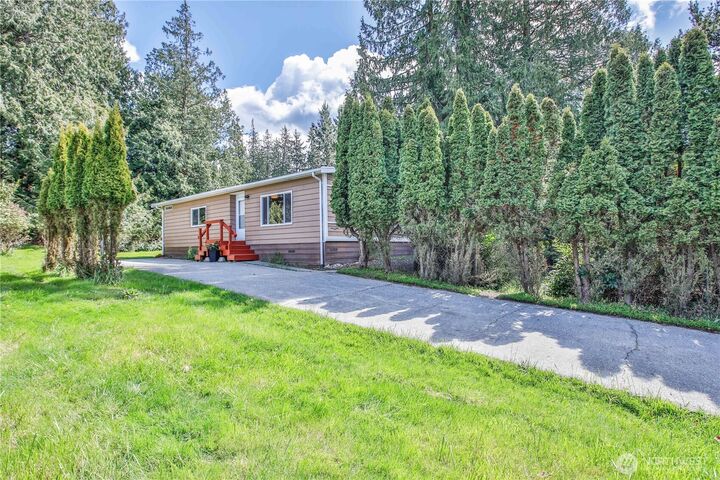
Featured Listing: 3239 Mardell Drive, Langley — $399,000
A Good Example of Why Local Context Matters
This Langley-area home highlights something buyers often discover on Whidbey: neighborhood amenities, beach access, lot feel, and community setup can affect value and lifestyle just as much as bedroom count or square footage.
That is where local guidance helps turn a listing from “interesting online” into “a real fit or not.”
Ferries, Roads, and Daily-Life Logistics Can Shape the Experience of Ownership
Not every Whidbey property lives the same way day to day. Commute habits, ferry use, private-road access, weather exposure, and distance to the towns or services you care about can all influence whether a home feels easy, isolated, convenient, or more work than expected.
For some buyers, that is part of the appeal. For others, it becomes a surprise. Understanding not just the home, but how the location functions in real life, is one of the biggest advantages of working with someone who knows the island firsthand.

Waterfront, Bluff, Rural, and Insurance Questions Add Another Layer
Whidbey properties can differ dramatically depending on whether they are inland, wooded, waterfront, bluffside, part of a private community, or served by systems and access routes that are less common elsewhere. Insurance questions, maintenance expectations, and property-specific due diligence can shift quickly based on those factors.
Two homes with similar square footage and price points may carry very different ownership realities. That is exactly why local context matters so much more than simply comparing listing specs side by side.
A Different Ownership Picture at a Higher Price Point
At the upper end of the market, the stakes on due diligence only rise. Complex properties can bring privacy, views, acreage, and extraordinary appeal — but they also increase the value of asking better questions before moving forward.
That is one reason truly local representation matters across every price bracket.

A Quick Market Reality Check
This is not a market where buyers can assume nothing is happening and they have unlimited time to figure everything out later.
- 30 homes sold from Clinton to Greenbank in the last 30 days
- 6 of those sales were between $1,048,000 and $1,950,000
The takeaway is simple: buyers who understand the local landscape are in a better position to move with confidence when the right home appears.
Whidbey’s Micro-Markets Are Not All the Same
One of the easiest mistakes for out-of-area buyers is assuming that Whidbey works as one unified experience. It does not. Langley feels different from Freeland. Freeland feels different from Greenbank. Clinton, Coupeville, and Oak Harbor each come with their own rhythms, conveniences, tradeoffs, and property patterns.
The right fit is not just about the prettiest listing. It is about matching lifestyle, access, property type, and expectations to the part of the island that actually supports how you want to live.

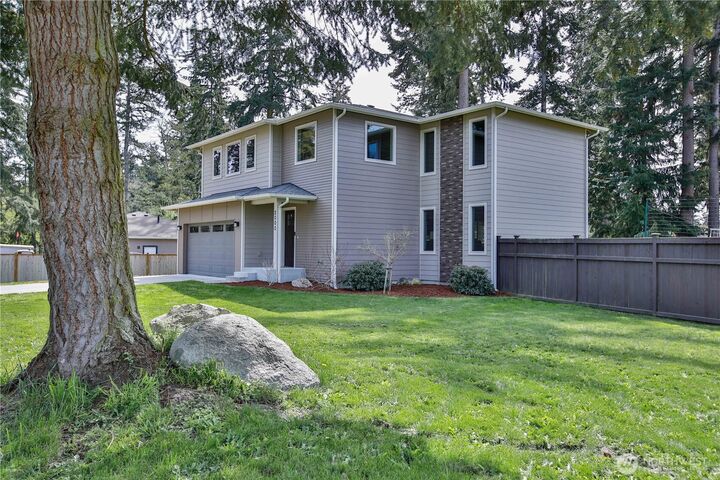
A Useful Mid-Market Comparison Point
This Coupeville listing shows why local comparison matters. A well-maintained, newer home in one part of the island can offer a very different day-to-day ownership experience than a beach-community cottage, acreage property, or bluffside home somewhere else.
Buyers benefit when someone helps them compare more than just price and photos.
Why Working With a Local Whidbey Broker Matters
This is the part many buyers underestimate. A good local broker is not just there to unlock doors or send listings. On Whidbey Island, the right broker can help you ask smarter questions sooner, notice potential blind spots, compare communities more accurately, and understand what really matters for the kind of home you are considering.
That kind of guidance is especially valuable if you are coming from out of area. The more unique the market, the more local knowledge becomes a practical advantage rather than a nice bonus.
Find a Local Whidbey Expert Before You Go Too Far Down the Road
If you are serious about buying on Whidbey Island, one of the smartest first steps is connecting with a broker who knows the island’s communities, property types, and practical ownership realities. You can start here: meet the Windermere Whidbey agents.
Frequently Asked Questions
Why is buying a home on Whidbey Island different from buying in a more typical market?
Whidbey buyers often need to evaluate septic systems, private wells, ferry and access realities, waterfront or bluff considerations, private roads, and meaningful differences between towns and neighborhoods. Those factors can change the buying experience more than many out-of-area buyers expect.
What should buyers ask about septic systems and wells on Whidbey Island?
Buyers should ask about inspection status, maintenance history, water testing, system condition, and how those systems fit into the overall purchase process. These questions matter because many Whidbey homes rely on systems buyers may not deal with regularly elsewhere.
Do ferries and location really affect daily life that much?
Yes. Ferry use, road access, commute patterns, weather exposure, and distance to services can all shape whether a property feels convenient, remote, easy, or more demanding than expected.
Why should out-of-area buyers work with a local Whidbey broker?
A local broker can help buyers ask smarter questions earlier, compare communities more accurately, spot property-specific issues, and understand practical ownership realities that are not always obvious from listing photos alone.
A Better Buying Experience Starts With Better Local Questions
Whidbey Island can be an extraordinary place to buy a home. But the buyers who tend to feel best about their decisions are usually the ones who take the local differences seriously from the beginning. Ask better questions, get more specific guidance, and work with someone who understands the island well enough to help you see beyond the listing photos.
Written by Si Fisher