Seller Education May 6, 2026

Stay or Sell? A Local Guide for Whidbey Island Homeowners Thinking About Their Next Chapter

For many Whidbey Island homeowners, the question is not simply “Should I sell?” It is “Does this home still fit the life I want now, and the life I may need a few years from now?”

That question can come up quietly. Maybe the stairs feel a little steeper than they used to. Maybe the yard takes more time than it gives back. Maybe family is farther away, healthcare appointments are becoming more frequent, or the house that once felt perfectly sized now feels like more space than you want to manage.

It can also come from the opposite direction. You may love your neighborhood, your garden, your view, your community, and your routines. On Whidbey Island, those roots matter. Staying may be the right answer. Selling may be the right answer. Sometimes the best first step is not making a decision immediately, but getting a clearer picture of what each path would actually require.

Image and listing note: The editorial lifestyle images in this guide are visual representations of next-chapter living on Whidbey Island, not documentary photos of specific homeowners or homes. Active listings change quickly. The homes featured below were selected as examples of residential-style options that may fit different next-chapter needs, such as main-floor living, lower-maintenance layouts, flexible guest space, or move-in-ready comfort. Always confirm current status, pricing, availability, and property details with a Windermere Whidbey agent.

Key Takeaways

  • Staying can work beautifully when the home can be made safer, simpler, and more manageable over time.
  • Selling may make sense when maintenance, stairs, isolation, ferry logistics, or healthcare access are starting to create friction.
  • The best answer is personal, not generic. Whidbey homes vary widely: waterfront cabins, acreage properties, in-town homes, condos, manufactured homes, and low-maintenance new construction all solve different problems.
  • Before making a move, compare the real numbers. Look at current market value, likely selling costs, repair needs, buying power, monthly comfort, and lifestyle tradeoffs.
  • A local agent can help you pressure-test the decision before you commit to staying, remodeling, downsizing, or selling.
Whidbey Island home interior with natural light, garden views, and a homeowner thoughtfully reviewing next-chapter living needs

Start With the Real Question: What Do You Need Your Home To Do Next?

A home that worked perfectly ten or twenty years ago may not match your next chapter in the same way. That does not mean anything is wrong with the home. It simply means your life may be asking different things from it now.

For Whidbey Island homeowners, this often comes down to a few practical questions:

  • Can you live comfortably on one level if stairs become harder?
  • Is the yard, acreage, driveway, or waterfront maintenance still enjoyable?
  • Are you close enough to healthcare, groceries, ferry access, friends, and family?
  • Would a guest suite, detached studio, or flexible room help family visit or provide support?
  • Would selling free up equity, reduce stress, or open the door to a simpler lifestyle?
  • If you stay, what improvements would make the home safer and easier to live in?

The goal is not to talk yourself into moving. It is to be honest about whether your home is still supporting your life, or quietly asking more from you than you want to give.

Not Sure Whether Staying or Selling Makes More Sense?

You do not have to figure it out alone. A local Windermere Whidbey agent can help you compare your current home, your likely market value, your next-step options, and what a realistic move would look like on Whidbey Island.

Connect with a Windermere Whidbey agent or browse current Whidbey Island homes for sale.

When Staying May Be the Right Move

Staying can be a strong choice when your home still fits your daily life, your support network is nearby, and the property can adapt without becoming a burden. For many island homeowners, the emotional value of staying is real: familiar neighbors, established gardens, known ferry rhythms, favorite walking routes, and the comfort of a place that already feels like home.

Staying may make sense if:

  • You have a bedroom, bathroom, laundry, kitchen, and main living area on one level.
  • Your home can be modified with safer entries, better lighting, grab bars, improved flooring, or easier shower access.
  • You have reliable help for maintenance, yard work, firewood, storm cleanup, or repairs.
  • Your location still supports your healthcare, shopping, ferry, and social needs.
  • You have enough financial flexibility to make the home safer without over-improving for the neighborhood.

On Whidbey, this decision also depends heavily on micro-location. A home outside town with acreage may be peaceful and private, but it may also mean more driving, more outdoor maintenance, and more responsibility during winter weather. A home near Langley, Coupeville, Freeland, or Oak Harbor may offer easier daily access, but less privacy or space. Neither is automatically better. The question is what will serve your next chapter best.

Comfortable Whidbey Island home with an easy garden path and peaceful outdoor living for aging in place

When Selling May Be the Better Path

Selling may be worth exploring when the home is starting to create stress, expense, or limitations that are unlikely to improve. This is especially true if you are already avoiding parts of the home, delaying repairs, worrying about stairs, or feeling tied to maintenance you no longer enjoy.

Signs it may be time to look at options include:

  • The home has more stairs, square footage, rooms, or land than you realistically want to manage.
  • Deferred maintenance is building up faster than you can comfortably address it.
  • You need to be closer to family, medical care, the ferry, shopping, or community activities.
  • Your current layout does not support aging in place without major renovations.
  • You would rather use your equity for retirement flexibility, travel, family support, or a simpler home.
  • You want to move while the decision is still proactive, not forced by a health event or urgent repair.

One of the most helpful things a homeowner can do is run the numbers before the decision becomes urgent. A local pricing conversation can show what your home may be worth today, what improvements might matter before listing, and what kinds of replacement homes are realistically available in your desired price range.

Bright lower-maintenance Whidbey Island home representing right-sizing into easier island living

Think in Terms of Fit, Not Just Size

Downsizing is not always about moving into the smallest possible home. For many Whidbey homeowners, the better word is right-sizing: choosing a home that fits the way you actually want to live now.

That might mean:

  • a single-level home near Freeland shops and services
  • a smaller view home with less yard maintenance
  • a condo or townhome-style property with exterior maintenance handled differently
  • a home with guest space for family visits or caregiving support
  • a move-in-ready home that does not require a long renovation list
  • a more central location that shortens daily drives

For some homeowners, the ideal next home is not dramatically smaller. It is simply easier: fewer stairs, newer systems, better layout, less upkeep, more convenient location, or more flexible living space.

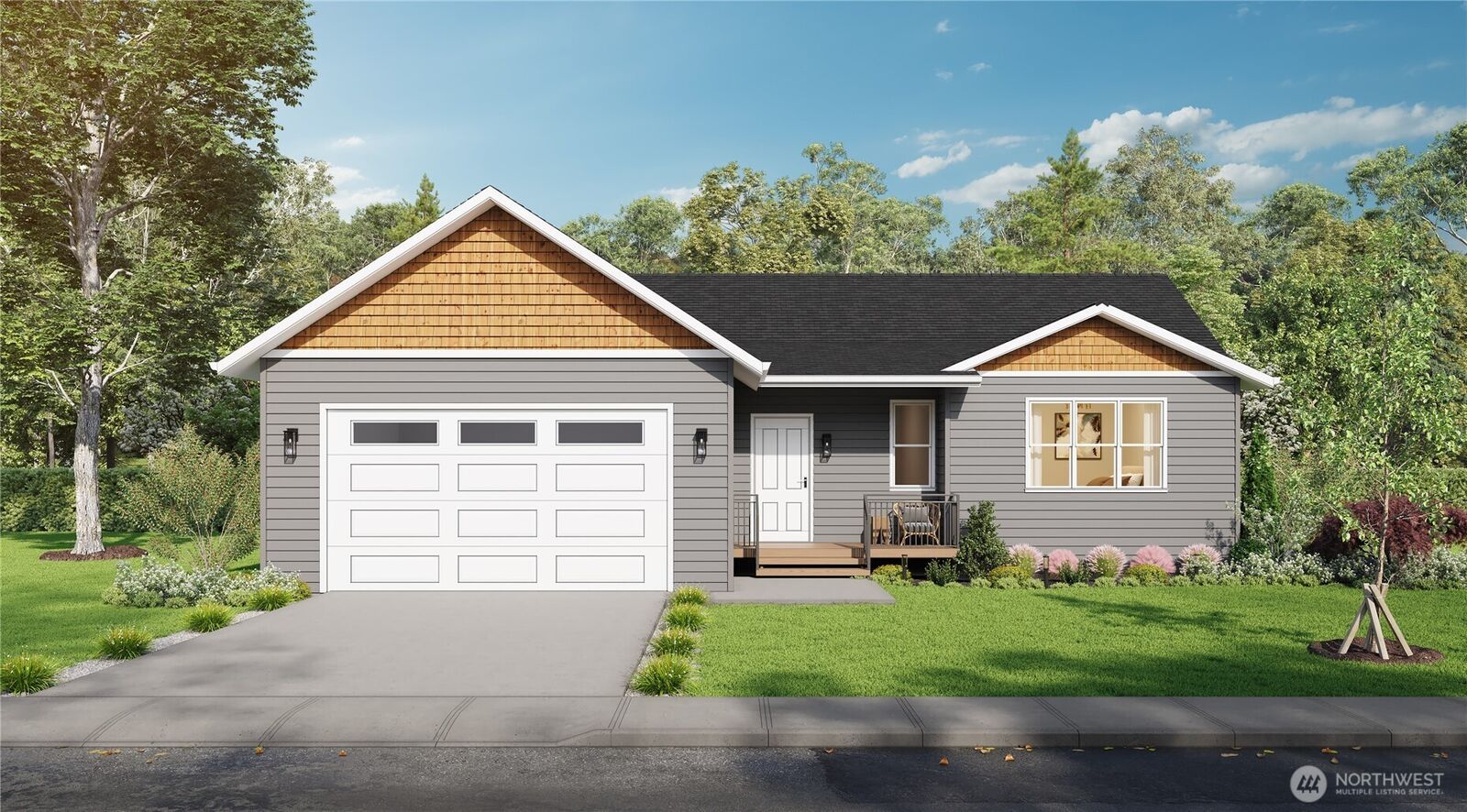
1806 Twin Oaks Lane in Freeland, a single-level new construction residential listing

Example Next-Chapter Fit: Single-Level New Construction in Freeland

1806 Twin Oaks Lane, Freeland is an active 3-bedroom, 2-bath residential listing with approximately 1,695 square feet, a single-level layout, new construction, and a location near Freeland amenities.

For buyers thinking about easier living, this type of home can be appealing because it combines a fresh build, one-level design, and central South Whidbey convenience without moving off island.

View 1806 Twin Oaks Lane

What About Staying and Remodeling?

Sometimes the right answer is not selling. It is modifying the home you already own. Before assuming you need to move, consider what targeted changes could make your current home safer, more comfortable, and easier to maintain.

Possible updates include:

  • adding or improving main-level sleeping space
  • replacing a tub with a more accessible shower
  • improving exterior lighting and entry paths
  • adding handrails, grab bars, or safer flooring
  • reducing high-maintenance landscaping
  • updating heating, cooling, or windows for year-round comfort
  • creating better guest or caregiver space

The key is comparing renovation cost against long-term fit. A $20,000 improvement that helps you comfortably stay for ten years may be a great investment. A much larger remodel on a home that still has major location, stair, or maintenance drawbacks may be less practical.

Whidbey-Specific Factors To Weigh

Whidbey Island adds a few local layers to the stay-or-sell decision. A home that looks perfect on paper may feel different depending on ferry access, winter driving, proximity to services, or how much land and shoreline care it requires.

Ferry and Driving Patterns

If you rely on the Clinton ferry, make regular mainland medical appointments, or have family visiting from off island, location matters. A beautiful private setting may still be worth it, but the travel pattern should feel realistic, not exhausting.

Healthcare and Daily Services

Being closer to Coupeville, Freeland, Oak Harbor, or local clinics may become more important over time. Even small reductions in driving can make daily life easier.

Maintenance and Weather

Island homes can face salt air, wind, trees, drainage issues, septic systems, wells, bluff considerations, and storm cleanup. If maintenance is starting to feel like a second job, that matters.

Community and Belonging

Do not underestimate the value of neighbors, routines, favorite businesses, faith communities, clubs, beaches, trails, and familiar town rhythms. The right real estate decision should support your life, not just your square footage.

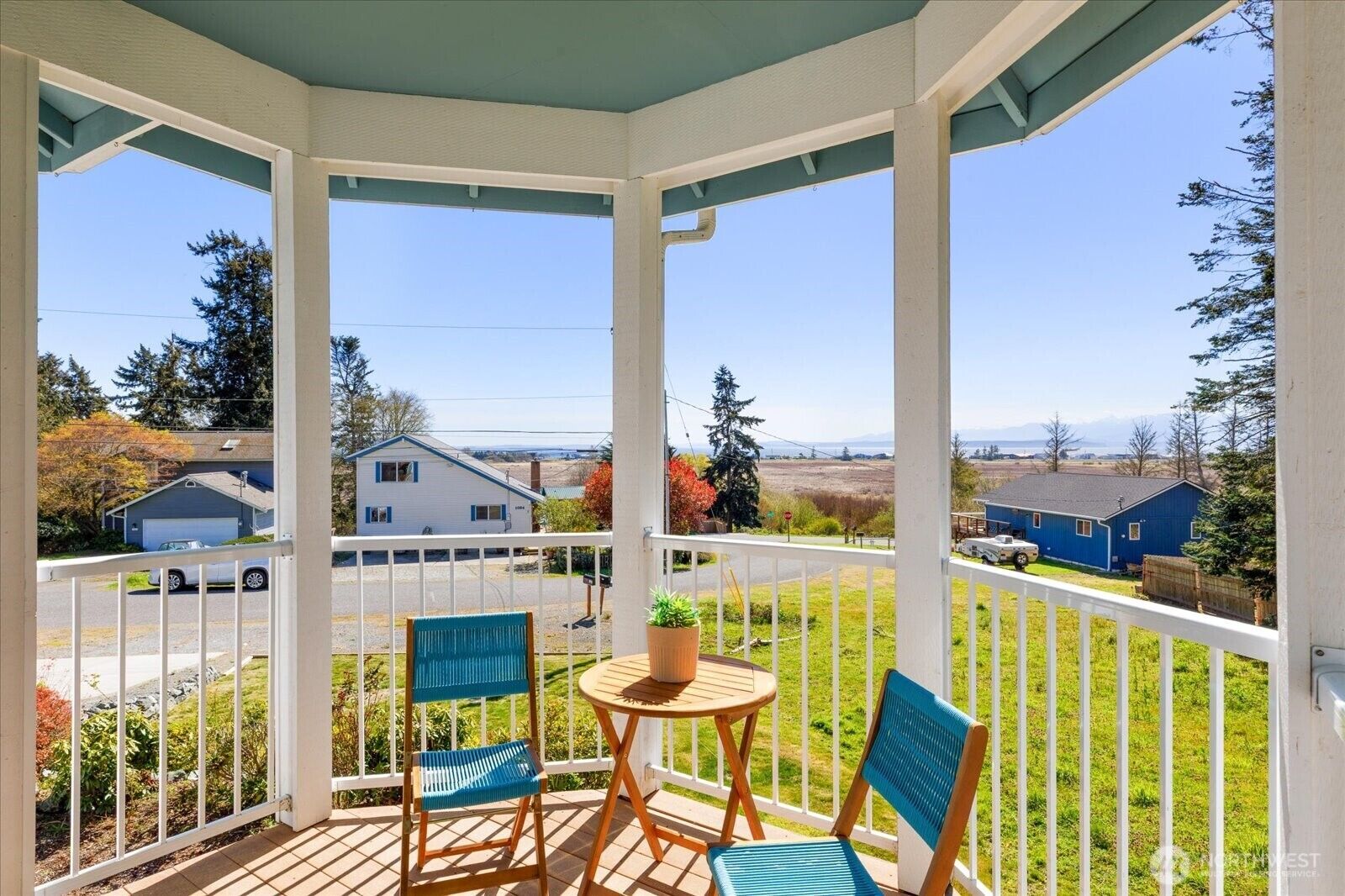
1041 Halsey Drive in Coupeville, a move-in-ready residential listing with water and mountain views

Example Next-Chapter Fit: Views, Amenities, and Move-In-Ready Comfort

1041 Halsey Drive, Coupeville is an active 2-bedroom, 2-bath residential listing with approximately 1,500 square feet, views of Admiralty Inlet and the Olympic Mountains, and community amenities in Admirals Cove.

For someone who wants a more manageable footprint without giving up the feeling of Whidbey scenery, this type of home shows how “smaller” can still feel special.

View 1041 Halsey Drive

Use Your Equity Strategically

Many long-time Whidbey homeowners have built meaningful equity. That equity can create choices, but only if you understand what it can realistically do for you.

A market review can help you estimate:

  • your likely sale price range
  • repairs or updates that may affect buyer response
  • estimated selling costs
  • how much cash may be available after a sale
  • what you could buy locally or elsewhere
  • whether a purchase before sale, sale before purchase, or contingent move is realistic

This is where local expertise matters. Whidbey values can shift sharply based on town, view, waterfront, acreage, condition, ferry proximity, and lifestyle appeal. A generic online estimate may miss the details that actually drive buyer interest here.

Questions To Ask Before You Decide

If you are trying to decide whether to stay or sell, these questions can help clarify the next step:

  • What parts of my home do I still love?
  • What parts of my home do I avoid, worry about, or postpone dealing with?
  • If I stayed five more years, what would need to change?
  • If I sold, where would I realistically go?
  • Would I want to stay on Whidbey, move closer to family, or split time between places?
  • How much maintenance do I want in this next season of life?
  • Do I need guest space, caregiver flexibility, rental potential, or a lock-and-leave setup?
  • Would moving now give me more control than waiting until I have to move?
5427 Bayview Road in Langley, a South Whidbey residential listing with main-floor living and guest flexibility

Example Next-Chapter Fit: Main-Floor Living With Room for Guests

5427 Bayview Road, Langley is an active 3-bedroom, 4-bath residential listing with approximately 5,056 square feet, a main-level primary suite, flexible guest spaces, and a central South Whidbey location near Bayview, Langley, Freeland, and the Clinton ferry.

This is not a downsizing example. It is a good reminder that some next-chapter buyers still want room for family, hobbies, hosting, or extended stays while prioritizing main-floor comfort and island convenience.

View 5427 Bayview Road

If You Decide To Sell, Preparation Matters

If selling becomes the right path, the goal is to make the process feel calm, organized, and strategic. That usually starts before the home is listed.

A good pre-listing plan may include:

  • a realistic pricing conversation based on local buyer demand
  • a walkthrough to identify high-impact repairs and low-return projects to skip
  • decluttering and staging guidance that respects the way you actually live
  • a plan for timing, photography, listing launch, and showing logistics
  • a discussion about where you will go next and how to coordinate the move

For longtime homeowners, this can feel emotional. A home may hold decades of holidays, family visits, garden seasons, pets, projects, and memories. The right agent should understand that selling is not just a transaction. It is a transition.

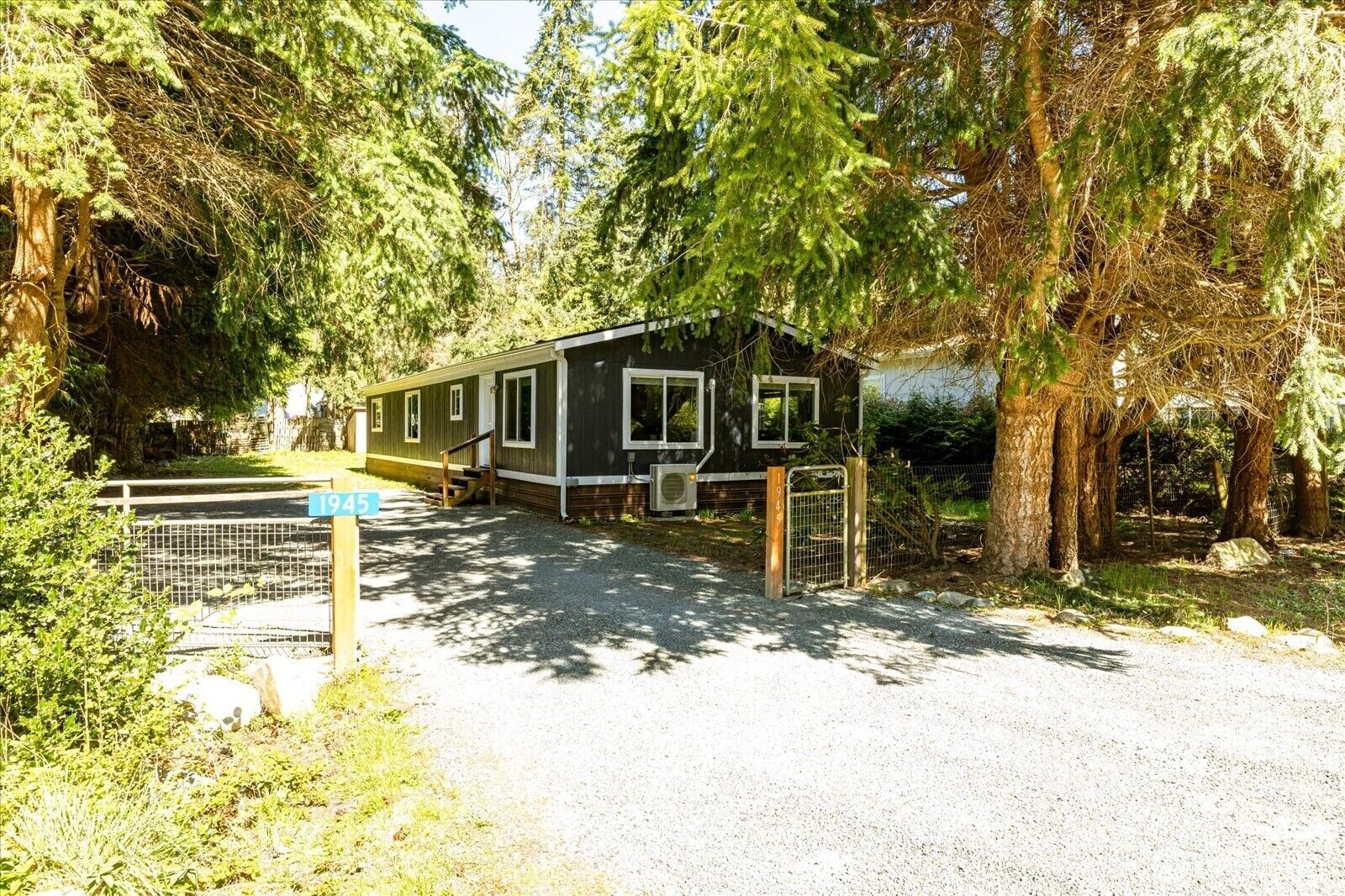
1945 Beachwood Drive in Freeland, a refreshed single-level residential listing surrounded by evergreens

Example Next-Chapter Fit: Refreshed, Single-Level Island Living

1945 Beachwood Drive, Freeland is an active 3-bedroom, 2-bath listing with approximately 1,712 square feet, a single-level layout, refreshed finishes, and a peaceful evergreen setting near Freeland amenities and beaches.

For buyers looking for a full-time residence, weekend place, or simpler island setup, this type of home can offer comfort without the scale or upkeep of a larger estate property.

View 1945 Beachwood Drive

A Gentle Way To Start

You do not have to make the stay-or-sell decision all at once. A thoughtful first step is simply to gather information:

  • What is your home likely worth in today’s Whidbey market?
  • What would it take to make the home work better if you stayed?
  • What homes are available that might fit your next chapter?
  • What timeline would give you the most control?
  • What would make the decision feel peaceful instead of rushed?

For some homeowners, that conversation confirms that staying is the right answer. For others, it opens a path toward a simpler, safer, or more flexible home. Either way, clarity is valuable.

Whidbey Island homeowner having a calm local real estate planning conversation about next-step housing options

Thinking About Your Next Chapter on Whidbey?

Whether you are considering aging in place, downsizing, moving closer to town, or simply understanding your options, Windermere Whidbey can help you make a local, practical, pressure-free plan.

Talk with a local Windermere Whidbey agent about your home, your goals, and what your next chapter could look like.

You can also explore current Whidbey Island listings to see what kinds of homes may fit the life you want next.

FAQ: Staying or Selling Your Whidbey Island Home

How do I know if I should stay in my Whidbey Island home or sell?

Start by looking at daily fit, not just market conditions. If the home is safe, manageable, financially comfortable, and still supports your lifestyle, staying may make sense. If maintenance, stairs, location, healthcare access, or isolation are becoming concerns, it may be time to compare selling and right-sizing options.

Is downsizing the same as moving into a much smaller home?

No. Many Whidbey homeowners are better served by right-sizing, which means choosing a home that fits their next chapter. That may mean single-level living, less yard work, a newer home, a more convenient location, or flexible guest space rather than simply choosing the smallest property.

Should I renovate my current home before deciding to sell?

Sometimes, but not always. Small safety, comfort, and maintenance improvements may make staying realistic. Larger renovations should be weighed against your long-term needs, current market value, and what it would cost to buy a better-fitting home.

What Whidbey-specific issues should I consider before aging in place?

Consider ferry access, winter driving, proximity to healthcare and groceries, septic or well maintenance, storm cleanup, stairs, yard care, waterfront or bluff responsibilities, and whether your support network is close enough for the years ahead.

Can a local real estate agent help even if I am not ready to sell?

Yes. A good local agent can help you understand your home’s current market value, likely buyer expectations, possible preparation items, and what replacement homes may cost. That information can help you decide whether to stay, remodel, sell soon, or simply plan ahead.

Real EstateReal Estate MarketSeller EducationUncategorized March 5, 2026

5 Costly Mistakes When Selling a Home on Whidbey Island in 2026

5 Costly Mistakes When Selling a Home on Whidbey Island in 2026

If you are considering selling a home on Whidbey Island this year, understanding the current local landscape is your most valuable asset. The 2026 housing market brings unique opportunities, but also shifting buyer expectations. Whether you are downsizing from a waterfront estate or relocating from a cozy inland cabin, navigating this process requires strategy, foresight, and specialized local knowledge. Avoid the common pitfalls that cost sellers time and equity by learning what today’s buyers are looking for.

Key Takeaways

  • Accurate pricing is essential; inflated listing prices lead to extended days on market.
  • Move-in-ready conditions command premium offers, making pre-listing repairs non-negotiable for top dollar.
  • Staging must sell the Pacific Northwest “island lifestyle,” not just the physical structure.
  • Waiting for the “perfect” season to list is a myth; serious buyers are active year-round.
  • Partnering with an agent who possesses deep, hyper-local Whidbey Island expertise is crucial for a smooth transaction.

Mistake 1: Overpricing in a Shifting Whidbey Island Market

Overpricing your property is the most common mistake when selling a home on Whidbey Island in 2026. Buyers are highly educated on Island County property values. An overpriced home sits longer on the market, eventually requiring price drops that signal desperation and yield a lower final sale price.

In today’s climate, setting the right initial asking price is more critical than ever. Sellers often look back at the frenzied peaks of past years and assume their property will automatically generate a bidding war. However, today’s buyers are analytical. They rely heavily on current market trends and local data before submitting an offer. When a home is priced above its true market value, it frequently misses the initial wave of high-intent buyers.

Data Fact: Whidbey Island Real Estate — Median Days on Market — 70 days in Jan 2026 (Source: https://www.redfin.com/city/30785/WA/Whidbey-Island/housing-market)

Chasing the market downward with incremental price reductions is a painful process. It extends your timeline and compromises your negotiating power. A competitively priced home, grounded in recent, comparable Whidbey Island sales, generates urgency and maximizes your equity.

Humorous claymation illustration of a stressed retired couple dealing with exaggerated home repair disasters before selling.

Mistake 2: Skipping Crucial Pre-Listing Repairs and Upgrades

Skipping pre-listing repairs severely limits your buyer pool on Whidbey Island. Modern buyers seeking homes in Langley or Freeland expect move-in-ready conditions. Neglecting minor fixes or outdated features leads to lower offers and complicated inspections, effectively costing sellers more than the initial repair investments.

It can be tempting to list your home “as-is” to save time and upfront capital. However, leaving deferred maintenance for the next owner is a major red flag for 2026 buyers. When prospective buyers tour homes in Langley or other desirable island communities, they are calculating the cost and effort of repairs in their heads—and usually overestimating them.

Tackling foundational issues, updating dated fixtures, and ensuring critical systems like roofing and plumbing are sound will drastically improve your home’s appeal. For sellers concerned about the upfront costs of these improvements, utilizing programs like Windermere Ready can provide the necessary capital to make high-ROI upgrades before listing, ensuring you don’t leave money on the table.

Dreamy watercolor painting of a young family relaxing on a beautifully staged cedar deck overlooking misty Pacific Northwest waters.

Mistake 3: Failing to Stage and Market to the “Island Lifestyle”

Successfully selling a home on Whidbey Island requires marketing the unique Pacific Northwest island lifestyle, not just the floorplan. Failing to professionally stage your home to highlight views, outdoor living, and local charm in areas like Greenbank means missing out on premium offers from out-of-town buyers.

Buyers flock to Whidbey Island for a specific reason: the tranquility, natural beauty, and distinct pace of life. If your home is cluttered, overly personalized, or poorly lit, it blocks buyers from envisioning themselves living that dream. Professional staging transforms a property from a simple structure into a compelling lifestyle destination.

This means highlighting the assets that make your location special. If you are selling near the historic community of Greenbank, staging should emphasize cozy, rustic elegance and outdoor connectivity. Whether it’s arranging furniture to maximize a Puget Sound view or creating an inviting outdoor fire pit area, you must actively showcase the Whidbey Island experience to capture top dollar.

Isometric 3D illustration of a giant hourglass on a coastal bluff with miniature houses falling through, symbolizing real estate market timing.

Mistake 4: Trying to perfectly Time the 2026 Housing Market

Attempting to perfectly time the 2026 Whidbey Island real estate market often leads to missed opportunities. Instead of waiting for hypothetical peak seasons, sellers should focus on personal timelines and current local inventory. A well-priced, properly prepared home near Bayview Corner will attract serious buyers year-round.

A common misconception is that homes only sell during the spring or summer. While inventory traditionally rises during warmer months, waiting for a perceived “perfect” window often means facing stiffer competition. The reality is that life events driving real estate transactions—relocations, retirements, and growing families—happen 365 days a year.

For example, listing a well-maintained property near Bayview Corner during the fall or winter can be highly advantageous due to lower inventory. There are always dedicated buyers actively searching for the right property. Basing your listing date on your own readiness and the advice of a local professional is far more effective than trying to outsmart seasonal trends.

Photorealistic image of a confident solo professional in a sunlit, modern Pacific Northwest living room with water views.

Mistake 5: Hiring an Agent Without Hyper-Local Whidbey Expertise

Hiring an off-island agent is a critical error when selling a home on Whidbey Island. Local Windermere Whidbey experts understand micro-markets, septic regulations, and well water systems unique to Island County. This specialized knowledge prevents costly delays during escrow and ensures your property is accurately represented.

Real estate on an island involves distinct logistical and regulatory nuances. An agent from the mainland might be excellent in an urban environment, but they often lack the crucial context needed to navigate Island County requirements. Understanding the intricacies of shoreline management, local internet providers, or evaluating properties in Freeland with complex well systems requires boots-on-the-ground experience.

A hyper-local agent doesn’t just list your home; they anticipate hurdles before they arise, curate a network of trusted local contractors, and know exactly how to position your property against neighborhood comparables. Their expertise translates directly into a smoother transaction and a stronger bottom line for you.

Ready to navigate the 2026 market in Langley, Oak Harbor, or anywhere in between? Don’t leave your equity to chance. Discover how our local strategy works, or contact our local experts today for a custom valuation of your Whidbey Island property.

Minimalist vector graphic showing a chaotic tangled string straightening into a glowing golden house key, symbolizing a smooth real estate transaction.

Frequently Asked Questions

How much equity do I need to sell my Whidbey Island home profitably in 2026?

Profitability depends on your original purchase price, current market value, and remaining mortgage balance, alongside closing costs and agent commissions. A local Windermere Whidbey agent can provide a net sheet to help you determine exactly what you’ll walk away with after the sale.

Should I refinance my Island County property or sell it this year?

This is highly dependent on your personal financial goals and current mortgage rate. If your home no longer fits your lifestyle, selling and using the equity toward a property that suits your current needs is often the better long-term lifestyle choice, despite rate fluctuations.

When is the actual best time of year to list a house on Whidbey Island?

While spring and summer see the highest volume of transactions, the “best” time to list is when your home is fully prepared and your personal timeline dictates. Winter listings often benefit from highly motivated buyers and lower overall island inventory.

Which pre-listing renovations offer the best ROI for South Whidbey homes?

Cosmetic updates like fresh interior/exterior paint, refinishing floors, and updating landscaping generally yield the highest return on investment. Modernizing kitchens and bathrooms also heavily influences buyer interest and final offer values.

Is it a better idea to keep my Whidbey home as a rental investment instead of selling?

Converting your home into a rental can provide passive income, but it comes with property management responsibilities and maintenance costs. Selling frees up your equity immediately. You should weigh your desire to be a landlord against your immediate financial needs.

What are the specific risks of selling a home with an older septic system on the island?

Island County requires septic inspections prior to property transfers. An older or failing system can delay closing, require expensive mandatory repairs, or cause buyers to walk away. It is crucial to have your system inspected and pumped before listing.

How do 2026 mortgage rates impact buyer demand in towns like Freeland and Greenbank?

While interest rates influence buyer purchasing power, Whidbey Island often attracts a diverse buyer pool, including retirees and cash buyers who are less sensitive to mortgage rate fluctuations. Well-priced homes in desirable locations continue to see steady demand regardless of national rate averages.


Next Steps

Written by Si Fisher.

FinancingHome Buyer EducationReal EstateReal Estate MarketSeller Education January 15, 2026

Mortgage Rates Are Moving in 2026: What Whidbey Island Buyers & Sellers Should Know

Mortgage Rates Are Moving in 2026: What Whidbey Island Buyers & Sellers Should Know

If you’ve been watching mortgage rates lately, you’ve probably noticed two things: they’re moving fast, and headlines are coming in hot. For Whidbey Island buyers and sellers, the best move is to stay grounded in what actually changes your options—your payment, your buying power, and your timing.

In his latest Numbers to Know update, Windermere Chief Economist Jeff Tucker breaks down the key numbers driving the conversation this month—and why they matter for real estate.

1. The $200 billion announcement that moved markets

President Trump announced a directive tied to buying $200 billion in mortgage-backed securities (MBS), with the stated goal of pushing mortgage rates lower. As Jeff Tucker explains, when there’s a big new buyer for mortgage bonds, it tends to bid their prices up—and that pushes interest rates down.

For the last three years, mortgage rates have been unusually high relative to benchmark Treasury rates. This program, evidently managed through Fannie Mae and Freddie Mac, is designed to accelerate the process of narrowing that spread.

2. Rates dropped to 6.06%—then bounced back

Right after the announcement, mortgage rates moved quickly. Mortgage News Daily reported the 30-year fixed rate dropped to 6.06% on January 9th—the lowest level reported in almost three years.

But as Jeff Tucker notes, trading has been unusually volatile since then, and rates have already bounced back above 6% in the days that followed. The takeaway? Markets are reacting, but this isn’t a straight-line trend. Some highly qualified buyers who start seeing rates in the 5% range could be motivated to move this spring—but timing and preparation still matter most.

3. What analysts are saying (and why it matters)

Some analysts expect the impact on rates to be positive, but not magical—especially depending on how quickly and clearly the program is implemented. Tucker points to ongoing questions about the program’s structure, and notes that while the short-term movement is real, it’s too early to predict sustained changes.

One reason this matters on Whidbey: when rates move quickly, buyers who are prepared can act fast, and buyers who are not prepared often miss out (or overextend).

Mortgage rate volatility chart showing movement in early 2026

4. What this means on Whidbey Island

Whidbey doesn’t behave exactly like the national market. Homes that are move-in ready, well-priced, or have lifestyle features buyers want (views, acreage, waterfront access, great condition) can still get strong attention—even when rates feel choppy.

That’s why the “rate headline” matters less than your plan. A 0.25% shift can change monthly payments, and that can change what buyers will compete for.

Other numbers Jeff Tucker is watching

In his full update, Tucker also highlights:

  • 56,000 jobs lost in Q4 2025, signaling slowing (but not collapsing) payroll growth
  • Active inventory nationally ended 2025 just shy of pre-pandemic levels—a sign of normalization, not a fire sale

You can read Jeff’s full analysis here: Numbers to Know: Mortgage Rates Are Moving, Here’s What to Know.

Whidbey Island buyer meeting with a lender to discuss mortgage rates

Smart next steps for Whidbey buyers and sellers

The Bottom Line

Mortgage rates may be trending in a friendlier direction, but the bigger story is volatility. The best way to win in a shifting market is to get prepared, stay flexible, and use local guidance when timing matters most.

Want to be connected with one of our preferred local lenders? Reach out to one of our Whidbey Island specialists and we’ll introduce you to trusted local pros who can run scenarios, talk strategy, and help you move quickly when the right home hits the market. Contact us here.

If you’re also sorting through national headlines vs. local reality, this pairs well with: Headlines Have You Worried About Your Home’s Value? Read This.


Written by Si Fisher

ListingsReal EstateReal Estate MarketSeller Education December 29, 2025

Headlines Have You Worried About Your Home’s Value? Read This.

Headlines Have You Worried About Your Home’s Value? Read This.

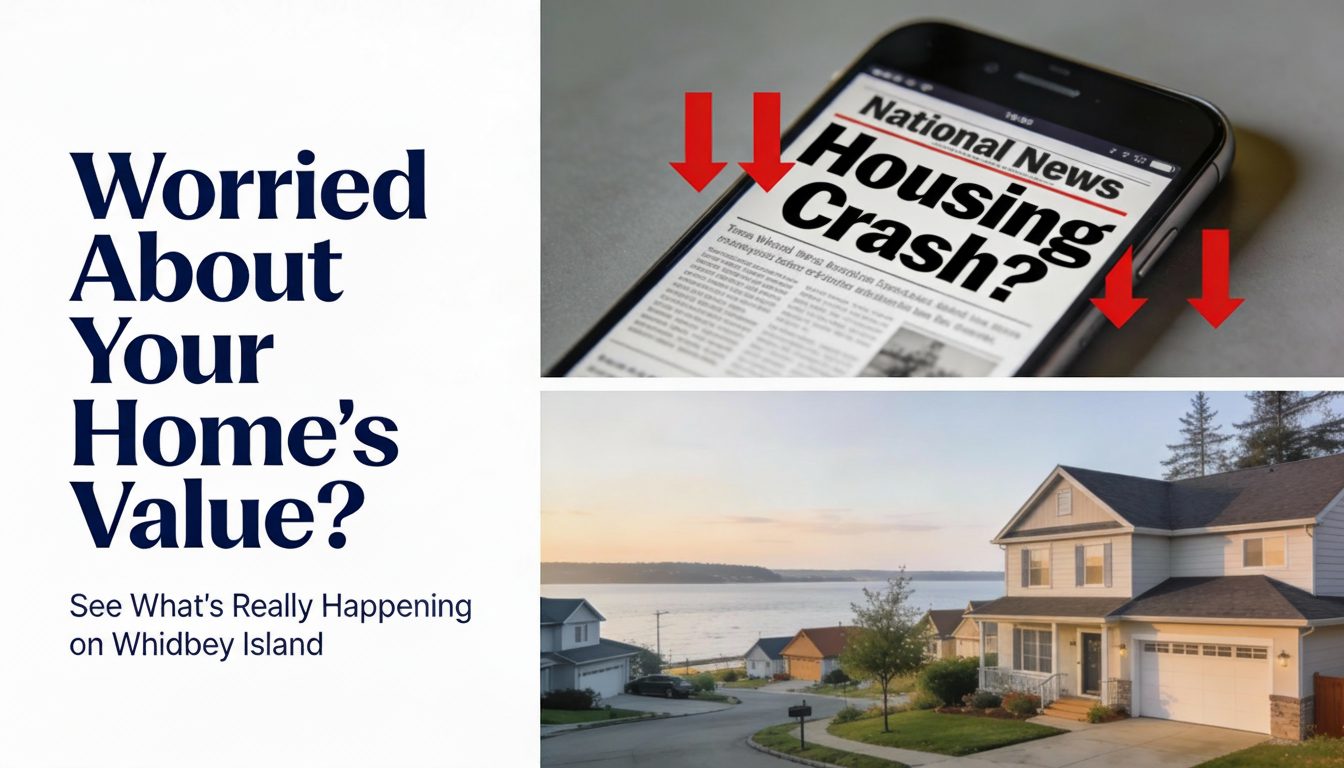
If you’ve been scrolling through national news feeds lately, you might be feeling a little uneasy about the housing market. Sensational headlines about “crashing prices” or “frozen markets” are designed to get clicks, but they often miss the mark when it comes to what is actually happening in our local neighborhoods.

Real estate is hyper-local. What happens in Phoenix or Austin doesn’t necessarily reflect what is happening in Langley, Coupeville, or Oak Harbor.

Relaxing on a Whidbey Island deck overlooking Puget Sound, representing stable home values

If you are a Whidbey Island homeowner wondering what your home is really worth in today’s market, here is the local reality based on our latest market trends.

1. Whidbey Island is Seeing More Activity, Not Less

While some headlines suggest buyers are disappearing, our local data tells a different story. According to our office’s latest trend graphics for November 2025, Pending Sales are up a massive 28% compared to this time last year.

This is a critical indicator. It means that despite interest rate fluctuations, buyers are actively writing offers and getting under contract. We also saw a 7.6% increase in closed sales year-over-year. The demand for island life remains robust.

Sold sign in front of a Whidbey Island cottage with a view

2. More Inventory = More Balance

You might see that the number of homes for sale is up by roughly 27% compared to last year. While a spike in inventory can sound alarming, in our case, it represents a return to a more balanced, “neutral” market.

For years, we suffered from a chronic lack of inventory that made it frustrating for buyers. Now, buyers have more choices, which is why we are seeing that jump in pending sales. The market isn’t stalling; it’s functioning.

3. The Balance of Power is Shifting (Again)

The story of 2025 hasn’t been one-sided. For much of the year—especially in South Whidbey—buyers enjoyed significant leverage. We saw frequent price reductions and successful negotiations in the buyer’s favor, particularly for homes that needed work or were priced aggressively.

However, the market is shifting again. In the fourth quarter, as the number of new listings has seasonally dipped, leverage has begun to swing back slightly toward sellers. High-quality inventory is scarce.

The Takeaway? It is a bifurcated market. Move-in ready homes and properties with views are still selling quickly and for top dollar. Meanwhile, properties that require updates may still see longer market times. Correct pricing is more critical now than ever.

Whidbey Island real estate market analysis report and map

The Bottom Line

Don’t let national fear-mongering derail your plans. The data shows that the Whidbey Island market is active, balanced, and resilient.

If you are thinking of selling, you don’t need to panic—you just need a strategy. Connect with us to help you navigate this shifting market with confidence.

Curious about your specific home’s value? Ignore the algorithms and get a real analysis. Request a custom home valuation from a local expert today.


Written by Si Fisher