Home Buyer EducationReal Estate February 25, 2026

Renting vs. Buying on Whidbey Island: 2026 Cost Comparison

Renting vs. Buying on Whidbey Island: Is 2026 the Year to Pivot?

If you find yourself weighing the options of renting vs. buying on Whidbey Island this year, you are not alone. Whether you are transitioning to NAS Whidbey, relocating for a slower pace of life, or simply tired of rising lease renewals in Oak Harbor or Langley, navigating the Island County real estate market requires strategic timing. In 2026, the local housing landscape presents unique opportunities for those ready to transition from tenants to homeowners, but making the right financial decision depends entirely on your long-term goals and timeline.

Key Takeaways

  • Rental inventory on Whidbey Island remains tight in 2026, often driving monthly lease costs to mirror mortgage payments.
  • Buying a home secures long-term equity and stabilizes monthly housing costs against inflation.
  • Evaluating your five-year plan is crucial to determining your “break-even” point between upfront closing costs and long-term appreciation.
  • Transitioning to homeownership provides unmatched lifestyle stability in distinct local communities.

The Current State of the Whidbey Island Rental Market

Renting on Whidbey Island in 2026 remains competitive due to limited inventory and high demand from NAS Whidbey and remote professionals. While renting offers flexibility, rising monthly costs in towns like Oak Harbor and Coupeville often mirror local mortgage payments, making long-term renting a significant hurdle to building local household wealth.

Young couple looking anxiously at a laptop screen researching housing and rental options at their kitchen table on Whidbey Island.

Finding a suitable rental property on the island has become increasingly challenging. The rental pool is continuously squeezed by incoming military personnel, seasonal visitors, and a growing remote workforce. This high demand naturally drives up monthly rental prices. For many residents, the realization hits when they review current Island County market trends and discover that their monthly rent could easily be covering a mortgage principal.

While renting provides undeniable short-term flexibility—allowing you to learn the island’s unique micro-climates and community vibes before committing—it comes at a steep opportunity cost. Every rent check is an investment in your landlord’s equity, not your own, leaving you vulnerable to annual rent hikes and lease non-renewals.

Why Buying a Home on Whidbey Island Builds Long-Term Equity

Buying a home on Whidbey Island allows residents to capture consistent property appreciation unique to the Pacific Northwest. Unlike renting, where payments are lost monthly, homeownership in communities like Freeland or Clinton acts as a forced savings account, shielding owners from rent hikes while providing significant tax advantages and long-term stability.

Conceptual illustration showing a small house-seed growing into a massive, glowing tree shaped like a large home with deep roots, symbolizing natural equity growth in real estate.

When you decide to buy a home on Whidbey Island, you are purchasing more than just a place to live; you are acquiring a tangible asset in one of the Pacific Northwest’s most desirable locations. The island’s limited geographic footprint naturally constrains new development, which historically helps protect property values from drastic market dips.

Data Fact: Whidbey Island Housing Market — Median Sale Price — $547,030 (Source: https://www.redfin.com/city/30785/WA/Whidbey-Island/housing-market)

By locking in a fixed-rate mortgage, your primary housing expense remains stable for decades. Over time, as you pay down the loan and the property appreciates, your household wealth grows. This is especially true in growing, centrally located communities; for instance, investing in property and exploring your guide to Freeland on Whidbey Island reveals a vibrant commercial hub where home values continue to reflect steady community investment.

Comparing the True Costs: Closing Costs vs. Security Deposits

While renting requires a security deposit and first month’s rent, buying on Whidbey Island involves closing costs and a down payment. However, with 2026 loan programs and VA eligibility for military members, the upfront gap is narrowing. Analyzing the five-year “break-even” point is essential for anyone planning to stay on-island.

Close up of hands signing real estate contracts next to a new set of house keys on a wooden desk, representing the home buying process.

The biggest hurdle for renters transitioning to buyers is the initial cash to close. Renting usually demands first and last month’s rent plus a security deposit. Buying requires a down payment, loan origination fees, appraisal costs, and title insurance. However, the narrative that you need 20% down to buy a home is a myth. Many first-time buyers leverage conventional loans with 3% to 5% down, and VA loans offer 0% down options for eligible military families stationed at NAS Whidbey.

For existing homeowners who are renting temporarily while they search for their next permanent island home, utilizing programs like Windermere Ready can help maximize the equity from a previous sale to comfortably cover new purchasing costs. When you factor in the tax deductions associated with mortgage interest and property taxes, the financial scales often tip in favor of buying if you plan to stay in the home for more than five years.

Lifestyle Flexibility vs. Island Roots: Which Fits You?

Choosing between renting and buying on Whidbey Island often depends on your timeline. Renting suits those with short-term military assignments or transitional needs. Conversely, buying is the superior choice for those looking to integrate into South Whidbey’s arts scene or Central Whidbey’s historic districts while securing a permanent piece of the island.

Family walking a dog on a sunny driftwood beach in the Pacific Northwest, representing the permanent Whidbey Island homeownership lifestyle.

Beyond the numbers, deciding to explore Whidbey Island as a permanent resident is a lifestyle choice. Renting is inherently transient. You may hesitate to paint the walls, upgrade the landscaping, or fully integrate into the neighborhood because you know your time there is temporary.

Buying allows you to put down deep roots. Whether you want to curate a garden in the pastoral hills of the Greenbank community, enjoy the bustling arts and culinary scene detailed in our guide to Langley, or find a peaceful retreat near Bayview Corner, homeownership gives you a true stake in the island’s future.

Ready to Review Your 2026 Real Estate Strategy?

Whether you are eyeing a waterfront bungalow in Langley or a spacious family home near the base in Oak Harbor, understanding the current market is your first step. Let’s sit down for a no-pressure Rent vs. Buy Discovery Session to run the numbers for your specific situation. Contact Windermere Whidbey today to connect with a local advisor.

Frequently Asked Questions

Is it better to rent or buy on Whidbey Island in 2026?

If you plan to live on the island for more than five years, buying is generally the better financial decision due to steady equity growth and rising local rent costs.

How much equity can I expect to gain on a Whidbey Island home?

While past performance doesn’t guarantee future results, Whidbey Island historically sees consistent year-over-year appreciation due to limited housing inventory and high demand for the Pacific Northwest coastal lifestyle.

Are there specific programs for first-time buyers in Island County?

Yes, there are several Washington State Housing Finance Commission (WSHFC) programs and VA loan options that make purchasing more accessible for first-time buyers and military families stationed locally.

Should I sell my Whidbey Island home or rent it out if I relocate?

This depends on your need for immediate capital versus long-term passive income. Selling your home can free up equity for your next purchase, while renting it out keeps an appreciating asset in your portfolio.

What are the average property tax rates in Coupeville vs. Oak Harbor?

Property taxes vary slightly by specific levy districts across Island County. Generally, rates are competitive with the state average, but a local broker can provide exact millage rates for specific neighborhoods.

Does Whidbey Island property value hold steady during market shifts?

Because Whidbey Island appeals to diverse demographics—including retirees, remote workers, and military personnel—its market tends to be more insulated from extreme volatility compared to single-industry suburban tracts.

Is now a good time to refinance a Whidbey home to fund renovations?

If you have built substantial equity and current interest rates are favorable compared to your existing mortgage, refinancing can be an excellent way to fund improvements that further increase your home’s value.

What is the rental vacancy rate on South Whidbey right now?

Rental vacancy rates remain incredibly low across South Whidbey, underscoring the tight inventory and making the transition to homeownership an appealing alternative to competing for limited lease properties.


Next Steps

Written by Si Fisher.

EventsReal Estate February 25, 2026

A Local’s Guide to Penn Cove Musselfest 2026 & Coupeville Living

A Local’s Guide to Penn Cove Musselfest 2026 & Coupeville Living

Every spring, the heart of North Whidbey comes alive as thousands of visitors flock to the historic waterfront for a weekend of culinary delights, live music, and community celebration. This year is particularly special as we celebrate the 40th Anniversary of the Penn Cove Musselfest, running from March 6th through the 8th. But for many, a weekend visit to Penn Cove is just the beginning. As attendees wander the historic streets, taste the world-famous chowder, and take in the panoramic views of Mount Baker, curiosity about Coupeville Whidbey Island real estate naturally takes hold. Whether you are coming strictly for the “Mussel Mingle” or secretly searching for your forever home, this guide will help you navigate the 2026 festival and explore what it truly means to live the island lifestyle.

Key Takeaways

  • The 40th Anniversary Penn Cove Musselfest runs March 6–8, 2026, hosted by the Coupeville Historic Waterfront Association.
  • Ticketed events like the Chowder Tasting and Mussel Farm Boat Tours require advance purchase via the Eventeny app.
  • Coupeville offers a walkable, historic waterfront lifestyle with immediate access to Ebey’s Landing and state parks.
  • Island County housing values remain strong in 2026, making Coupeville a prime location for those who fall in love with the area during the festival.

What to Expect at Penn Cove Musselfest 2026

Celebrating its 40th anniversary, the 2026 Penn Cove Musselfest runs March 6-8 in Coupeville. Attendees can enjoy world-famous mussel chowder tastings, 45-minute boat tours by Penn Cove Shellfish, and the exclusive Mussel Mingle. It is the perfect weekend to experience the vibrant Coupeville Whidbey Island real estate and community lifestyle.

Since 1986, this festival has been the crown jewel of Coupeville. The weekend kicks off with the 21+ “Mussel Mingle” on Friday and Saturday nights ($50 per ticket). During the day, the highly anticipated Chowder Tasting lets you sample top-secret recipes from nine local restaurants and cast your vote. Don’t miss the 45-minute Mussel Farm Boat Tours ($20 for adults), guided directly by the experts at Penn Cove Shellfish. Remember, all tickets must be purchased in advance via the Eventeny app!

Steaming bowl of mussel chowder on a rustic wood table representing Pacific Northwest coastal cuisine

Why Visitors Fall in Love with Coupeville Living

Beyond the 40th-anniversary festival, Coupeville offers historic charm, waterfront access, and proximity to Ebey’s Landing. Buyers exploring Coupeville Whidbey Island real estate are drawn to its walkable downtown and the tight-knit community feel that the local waterfront association preserves for North End island living.

While the ticketed events draw the crowds, the free family activities—like the Mermaid Cove & Whimsy Wonderland, Chef Demos, and “Fishin’ off the Pier”—showcase the true heart of the town. It is incredibly common for Musselfest attendees to find themselves looking in real estate office windows between the Mussel Eating Contest and the live entertainment. If you are starting to envision a life on the island, taking the time to explore Whidbey Island by area can help you narrow down your ideal neighborhood. Ultimately, deciding to buy a home on Whidbey means investing in a quieter, more connected way of life.

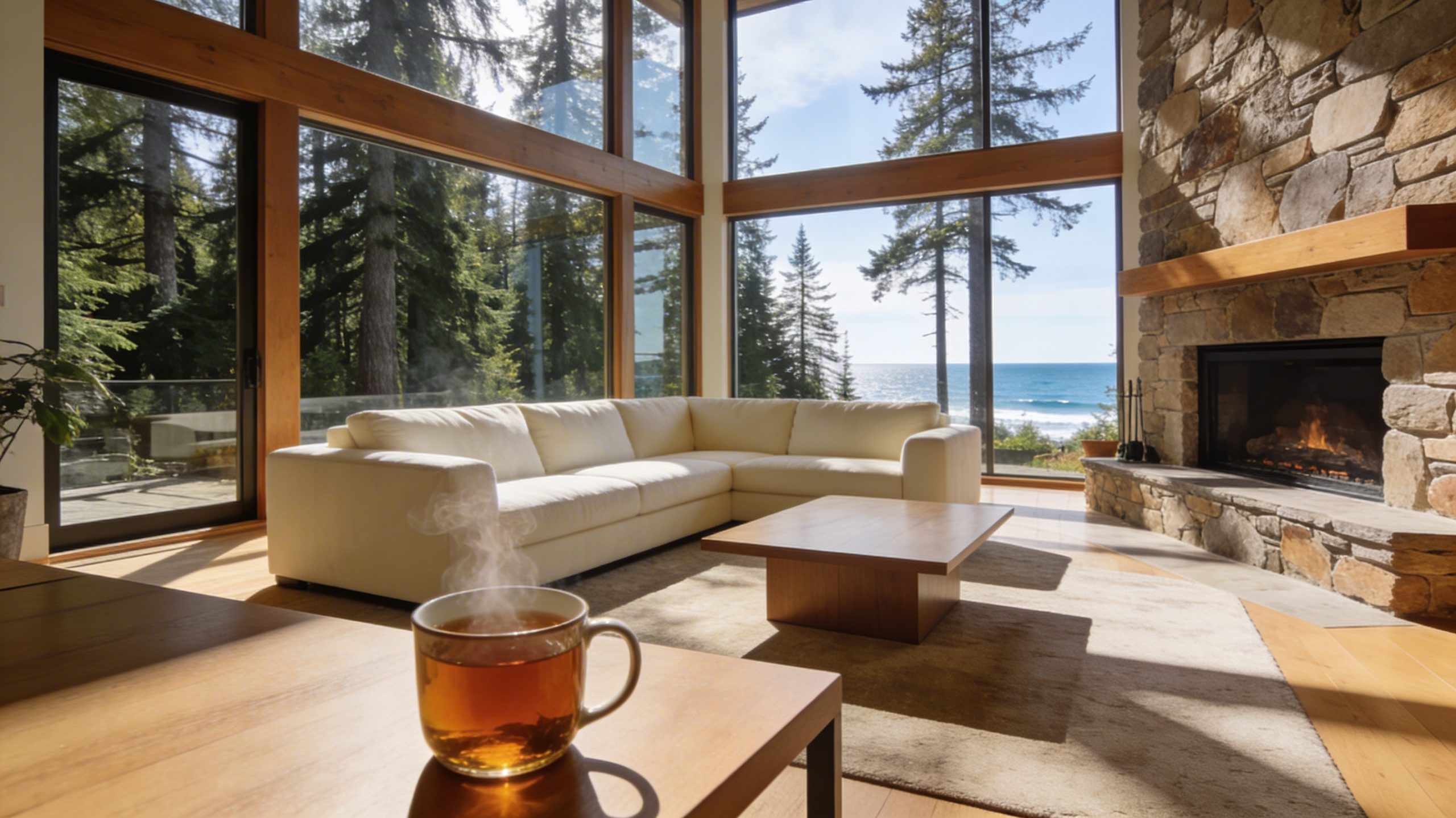
Modern Pacific Northwest living room with large windows facing evergreen trees and coastal waters

2026 Whidbey Island Real Estate Market Trends

Just as Penn Cove Musselfest has grown consistently since 1986, the 2026 Whidbey Island real estate market remains incredibly strong. With an Island County median sale price over five hundred thousand, Coupeville Whidbey Island real estate represents a stable investment for festival-goers looking to relocate.

Data Fact: Island County, WA — Median Sale Price (Jan 2026) — $595,280 (Source: https://www.redfin.com/county/3085/WA/Island-County/housing-market)

Understanding the local data is crucial when you inevitably start daydreaming about moving here. The Coupeville area continues to see steady demand, fueled by its unparalleled beauty and community events. You can easily track these shifts by reviewing our live Whidbey market trends and graphics. Even if you are just visiting for the chowder this year, keeping an eye on the numbers will help you understand why so many people choose to make this island their permanent home.

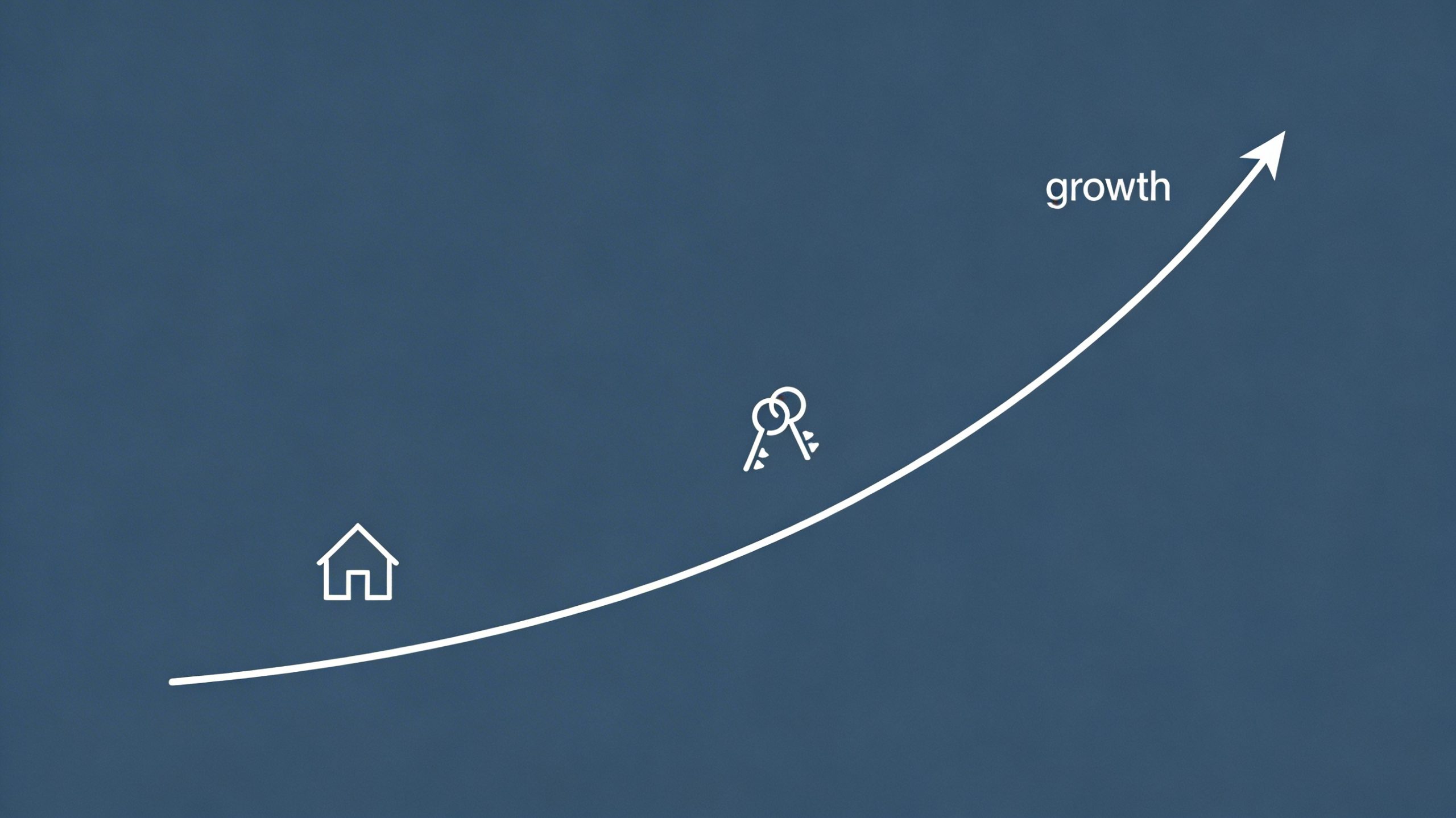
Minimalist conceptual graphic showing an upward-trending arrow made of ascending blocks, symbolizing rising real estate value and market momentum

Preparing to Sell? Maximizing Your Coupeville Home Value

Musselfest brings thousands of visitors to our island, creating massive exposure for local homeowners. Sellers can leverage this peak spring visibility to maximize their Coupeville Whidbey Island real estate value through strategic, no-upfront-cost home upgrades before listing their property in the competitive 2026 spring market.

If you already live here, you know that spring is traditionally the most active time to sell your Whidbey Island home, and the influx of festival-goers only amplifies this exposure. To ensure your property stands out to discerning buyers who fall in love with the town during Musselfest, we often recommend the Windermere Ready program. This concierge service covers the upfront costs of staging, painting, or minor renovations, allowing you to present a polished, move-in-ready home.

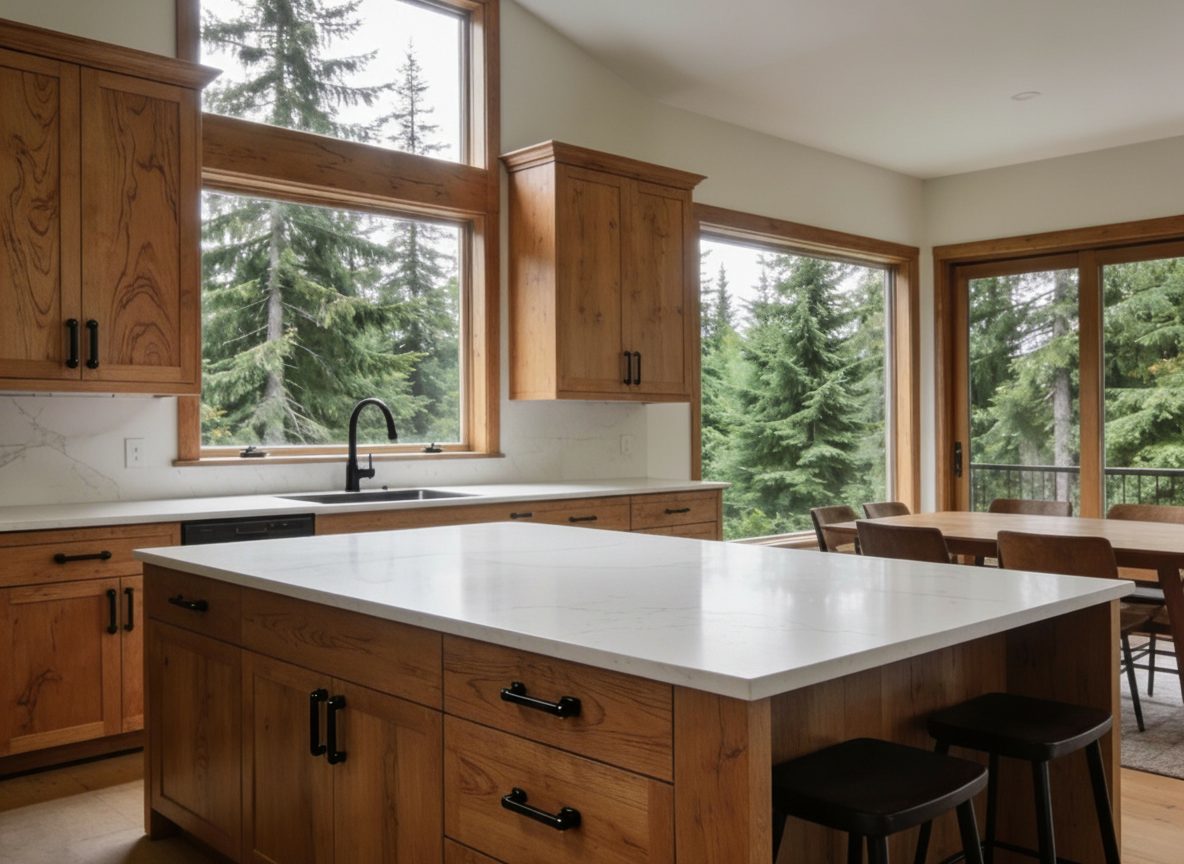
Homeowner and professional discussing property updates in a bright, modern kitchen

Ready to Call Coupeville Home in 2026?

Whether you are captivated by the 40th Anniversary Musselfest or the quiet beauty of Ebey’s Landing, finding the right home requires local expertise. Let’s discuss your timeline, explore exclusive Coupeville Whidbey Island real estate opportunities, and turn your weekend getaway into an everyday reality. Schedule a consultative chat with our local team today.

Frequently Asked Questions

When is the 2026 Penn Cove Musselfest?
The 40th Anniversary Penn Cove Musselfest takes place from March 6th through March 8th, 2026, in historic Coupeville, Washington.
What are the main ticketed events at Musselfest?
The primary ticketed events include the Mussel Mingle (Friday and Saturday nights), the Chowder Tasting (Saturday and Sunday), and the 45-minute Mussel Farm Boat Tours guided by Penn Cove Shellfish.
Where do I buy tickets for the chowder tasting?
All tickets for the 2026 Musselfest must be purchased online in advance via the Eventeny app or through the official Penn Cove Musselfest website.
How does investing in Coupeville Whidbey Island real estate compare to the mainland?
Island real estate often experiences less volatility than mainland suburbs. Coupeville’s limited space, historic preservation rules, and high desirability create strong, long-term equity growth.
Is spring 2026 the right time to buy a Coupeville WA waterfront home?
Spring brings the highest inventory of the year. Buying during the spring season allows you to secure a home and get settled before the busy summer months begin.
What are the zoning and bluff risks of buying waterfront property on Whidbey Island?
Waterfront living requires specific due diligence regarding bluff stability, setbacks, and shoreline management. It is vital to work with a local agent who understands Island County’s unique coastal regulations.

Next Steps

Written by Si Fisher.

Real EstateSeller Education February 18, 2026

How to Use Home Equity on Whidbey Island: 4 Ways Local Homeowners Win

How to Use Home Equity on Whidbey Island: 4 Smart Strategies for 2026

If you own a waterfront or view property on Whidbey Island—especially in South Whidbey—your home equity can be a serious strategic asset in 2026. The key isn’t just knowing you have equity. It’s knowing how to use it to move smarter, invest wiser, and avoid leaving money (or options) on the table.

Key Takeaways

  • Equity is a usable asset—especially for South Whidbey waterfront and view homeowners.
  • In 2026, equity can power a move-up, a downsize, a renovation plan, or an investment pivot.
  • Market conditions matter: pricing, days on market, and list-to-sale ratios change what “smart” looks like.
  • Renovations can increase value when they match Pacific Northwest buyer preferences.
  • A local pricing analysis is the fastest way to turn “I think” into “I know.”

What Is Home Equity and How Does It Work on Whidbey Island?

Home equity on Whidbey Island is the gap between your home’s current market value and what you still owe on your mortgage. In 2026, that gap can be sizable for South Whidbey waterfront and view properties. Equity can be converted into a down payment, renovation budget, or refinancing tool—if you understand your true value and options.

Homeowner in a modern Pacific Northwest interior looking out toward the water while considering home equity options on Whidbey Island

Here’s the simple math: if your home could sell for $950,000 and you owe $520,000, your equity is $430,000. That equity isn’t just a number—it can become leverage.

If you want a quick sense of how the broader Island County market is trending, start with the Market Trends: Trend Graphics. Then we dial in the part that matters most for this post: what’s happening in South Whidbey’s higher-quality segments where views and water access influence demand and pricing.

Whidbey Island Equity Snapshot: 2026 Market Trends

South Whidbey equity in 2026 is being shaped by real, measurable market behavior—especially for residential properties where lifestyle and setting (like water views) help sustain demand. When median prices rise and list-to-sale ratios hold firm, equity doesn’t just grow—it becomes easier to use confidently because pricing signals are clearer for owners considering a strategic move.

Minimalist infographic illustrating rising home equity trends on Whidbey Island through 2026

Here’s a much tighter, South Whidbey-specific data point that matches the waterfront/view conversation:

Data Fact: Area 811 South Whidbey Island — Median Sale Price — $830,000 (YTD 1/1/2026–2/18/2026) (Source: NWMLS)

That same YTD snapshot also shows a 100% median sale-to-list ratio and a median time-to-contract picture that supports strong pricing when homes are positioned well. That’s exactly why equity strategy matters here: in premium South Whidbey segments, your “options menu” can be bigger—if you plan with local stats instead of island-wide averages.

Strategy #1: Use Your Whidbey Island Equity to Move Up or Downsize

Using home equity to move is one of the most common strategies for Whidbey Island homeowners—especially when a waterfront/view property has appreciated significantly. In 2026, equity can fund your down payment, reduce your next mortgage, or help you compete for the right home without overextending. The best results come from aligning timing, inventory, and goals.

Listing-ready home interior with moving boxes and soft morning light, representing a Whidbey Island move powered by home equity

Two common South Whidbey scenarios:

  • Move up: roll equity into a more premium view corridor, larger home, or better layout.
  • Downsize: convert equity into lifestyle freedom (lower maintenance, simpler living, more cash reserves).

If buying is part of your plan, the best first step is understanding what your next purchase options look like right now. You can preview process basics on Buy, then we narrow it down to your exact target and timeline.

Want to see what’s actually available right now? Browse Our Active Listings and keep an eye on Windermere Whidbey Open Houses to understand the current competition and pricing style.

Strategy #2: Reinvest Equity Into Renovations That Boost Whidbey Property Value

Equity-funded renovations can increase your Whidbey Island sale price—especially for South Whidbey properties where buyers pay more for “turnkey,” strong indoor-outdoor living, and clean modern interiors. In 2026, the best renovation strategy isn’t doing everything. It’s doing the right things that match local demand and preserve your ROI.

Modern Pacific Northwest kitchen renovation with natural light, representing improvements that can increase Whidbey Island property value

High-impact categories we often see perform well for coastal/view homes:

  • Kitchen and primary bath refreshes (clean, listing-ready, neutral)
  • Outdoor living improvements (decks, covered spaces, entertaining flow)
  • Energy efficiency + weather resilience (windows, insulation, systems)
  • View maximization (without overbuilding or over-customizing)

If you want a structured approach to pre-listing improvements, review Windermere Ready and pair it with a local pricing plan so you’re improving the home the market will actually reward.

For a practical checklist that keeps you organized (and sane), use the Moving Checklist as a framework—many sellers adapt it into a “prep timeline” even before they plan a move.

Strategy #3: Access Equity Through HELOC or Cash-Out Refinance in Island County

Accessing equity without selling can work well for Whidbey Island homeowners who want flexibility in 2026—especially if you plan to hold your waterfront/view property long-term. A HELOC or cash-out refinance may fund renovations, consolidate debt, or create liquidity for an investment move. The decision depends on rates, appraisal realities, and your time horizon.

Desk scene with mortgage documents, calculator, and laptop in a Pacific Northwest home, representing HELOC or refinance planning in Island County

Three practical “fit checks” before you tap equity:

  • Will the monthly payment still feel comfortable if rates shift?
  • Is your plan value-producing (or just value-consuming)?
  • Does this keep your long-term options open (sell, rent, hold)?

If your plan is “buy before you sell,” a bridge strategy can matter. Learn the basics in Windermere Bridge Loan, and then we evaluate whether it fits your equity, timing, and risk tolerance.

For deeper prep around selling and pricing strategy (even if you’re not selling yet), Seller Resources is a solid overview of how positioning affects outcomes—especially in premium segments.

Strategy #4: Turn Whidbey Island Equity Into Long-Term Wealth

Turning equity into wealth is about using your Whidbey Island position to expand options—without sacrificing the lifestyle that made you buy here in the first place. In 2026, homeowners with South Whidbey view or waterfront advantages often use equity to acquire a second property, shift into a better long-term hold, or build a more resilient portfolio strategy.

Common wealth-building routes we see locally:

  • Buying a second home with stronger rental potential
  • Upgrading into a property that holds value better over time (views, quality, layout)
  • Using equity to improve marketability, then selling into a stronger net position

If you want to focus specifically on the premium end of the island, the Whidbey Island Waterfront Homes For Sale Guide is a useful lens for how buyers think—and why certain features protect value.

And if you’re weighing “DIY vs expert,” it’s worth reading Benefits of Working with a LOCAL Whidbey Island Real Estate Agent—because equity strategy gets expensive when the plan is solid but the execution isn’t.

Is 2026 the Right Time to Use Your Home Equity on Whidbey Island?

In 2026, timing matters for Whidbey Island equity decisions because interest rates, inventory, and buyer behavior directly affect what your equity can do for you. South Whidbey homeowners with view or waterfront advantages often have more flexibility—sell now, renovate first, refinance, or reposition—depending on goals and how the local market is moving right now.

Couple reviewing a real estate plan at a dining table in a modern Pacific Northwest home, representing a 2026 Whidbey Island equity decision

If you’re considering a move, a refinance, or a strategic renovation, start by replacing guesses with a real number.

Get Your 2026 Whidbey Island Home Equity Review (Langley, Freeland, Clinton & Beyond)

This is a consultative review, not a pushy pitch. You’ll get clarity on value, timing, and the best equity strategy for your situation—especially if you’re sitting on a South Whidbey view or waterfront advantage.

Frequently Asked Questions

How do I calculate my home equity on Whidbey Island?

Estimate your current market value using local comparable sales, then subtract your remaining mortgage balance. For view and waterfront homes, accurate comps matter more than online estimates.

Is it better to sell or refinance in 2026?

Selling often makes sense when you want to reposition or convert equity into a down payment. Refinancing or a HELOC can work if you’re holding long-term and the payment risk fits your plan.

Does a waterfront or view premium change equity strategy?

Yes. Premium segments can hold value differently, and pricing/positioning has a bigger impact. Strategy should account for buyer expectations and limited comparable inventory.

Will renovations increase my Whidbey Island resale value?

Often, yes—when the updates align with local demand (turnkey interiors, outdoor living, efficiency). Over-customization is the main risk.

What risks come with a HELOC or cash-out refinance?

Variable rates, higher monthly payments, and reduced flexibility if you later decide to sell. It’s smart to model worst-case payment scenarios before tapping equity.

Can I use equity to buy another property on Whidbey Island?

Yes. Many homeowners use equity as a down payment for a second home or an investment purchase, especially when they want to stay local.

How can I tell if my equity plan is realistic?

Compare your goals to real local numbers: sale price expectations, days on market, and financing terms. A local pricing analysis is usually the fastest reality check.


Next Steps

Written by Si Fisher.
EventsThings to do on Whidbey February 18, 2026

Things to do on Whidbey Island in Winter: 2026 Local’s Guide

The Quiet Season: A Local’s Guide to Whidbey Island in Winter (2026)

Winter on Whidbey Island is often overlooked by mainlanders, but for those of us who live here, it is our best-kept secret. While the gray clouds might settle over the sound, the island transforms into a peaceful retreat defined by roaring fireplaces, empty hiking trails, and a community spirit that shines brightest during the “Quiet Season.” Whether you are looking for things to do on Whidbey Island in Winter to escape the city or you are scouting for your future home, February 2026 offers a unique window to experience the island at its most authentic.

Key Takeaways

  • The 41st annual Langley Mystery Weekend (Feb 21–22) is the must-attend event of the season.
  • The Olympic Rain Shadow keeps Central Whidbey significantly drier than Seattle or the Cascades.
  • Winter is a strategic time for buying or selling before the spring surge while competition is low.
  • Culinary hotspots like the Penn Cove Musselfest (March 6–8) offer world-class dining with a local feel.

Why Whidbey Island is Washington’s Best Winter Escape

Winter on Whidbey Island offers a peaceful reprieve from mainland congestion, characterized by misty coastal landscapes and shorter ferry lines. With frequent breaks in the clouds thanks to regional topography, it is the ideal season for “slow travel,” featuring boutique shopping in Langley and world-class shellfish dining in Coupeville without the summer crowds.

Many visitors are surprised to find that exploring Whidbey Island in the winter feels more like a private invitation than a tourist trip. The traffic on SR-525 thins out, and the pace of life slows down to match the tide. It is the perfect time to visit local landmarks like the Bayview Corner galleries or take a long, uninterrupted walk through the evergreen woods surrounding Greenbank.

2026 Langley Mystery Weekend: Terminal Velocity

The 2026 Langley Mystery Weekend, held February 21–22, invites amateur sleuths to solve the “Terminal Velocity” case. This 41st-annual event transforms the seaside village into a live game of Clue, where participants interview suspects and scour local businesses for evidence to solve a fictional murder mystery before the Sunday reveal.

Clues and maps for Langley Mystery Weekend in a cozy shop

This year’s theme, “Terminal Velocity,” brings a steampunk flare to the streets of South Whidbey. If you’ve never experienced it, the Langley community goes all-out with costumes and elaborate clues hidden in plain sight. Beyond the mystery, winter is the best time to enjoy local culinary staples. You can grab a sophisticated lunch at Savory or warm up with wood-fired comfort food and expansive water views at Village Pizzeria while watching the whitecaps on Saratoga Passage.

Briny & Bold: The 2026 Penn Cove Musselfest in Coupeville

Penn Cove Musselfest 2026 runs from March 6–8 in historic Coupeville. The festival celebrates the world-famous local shellfish with chowder tasting tours, mussel farm boat excursions, and chef demonstrations. It is a cornerstone of Whidbey’s winter culinary scene, drawing foodies to the island’s central waterfront for a weekend of maritime tradition.

Musselfest is more than just a food festival; it’s a celebration of the unique maritime heritage that defines Central Whidbey. As you walk the historic wharf with a cup of chowder from Front Street Grill, it’s easy to see why Coupeville’s preserved Victorian architecture makes it such a sought-after community. This timeless appeal is a major driver for the local economy; you can see the long-term stability of the area reflected in the latest market trends and graphics, which highlight why Central Whidbey remains a premier choice for those looking to invest in the island lifestyle.

Winter Real Estate Trends: Is the Quiet Season a Good Time to Buy?

The Whidbey Island real estate market in early 2026 remains resilient, with a median sale price of $547,030 across the island. Buying during the winter “Quiet Season” often yields a strategic advantage, as reduced competition allows for more thoughtful inspections and negotiations compared to the frantic spring and summer surges.

Modern Whidbey Island home interior with a cozy winter fireplace

While inventory is typically lower in February, the buyers who are searching right now are serious. If you are looking to buy a home on Whidbey Island, the winter months provide a clear view of how a property handles the PNW elements. For those looking at North Whidbey, the dining scene is equally robust; check out the authentic flavors at Naung Mai Thai Kitchen in Oak Harbor for an authentic winter warmer. For sellers, using programs like Windermere Ready can help your home stand out in a market where buyers are craving move-in-ready comfort.

Data Fact: Whidbey Island Housing Market — Median Sale Price — $547,030 (Source: https://www.redfin.com/city/30785/WA/Whidbey-Island/housing-market)

Conceptual line graph showing upward real estate trends on Whidbey Island

Best Winter Hikes and Outdoor Micro-Adventures

For outdoor enthusiasts, winter hiking on Whidbey Island is defined by Ebey’s Landing and Deception Pass. These trails offer dramatic storm-watching views and “rain shadow” protection. February and March are peak months for spotting Bald Eagles and migrating whales from the high bluffs overlooking the Admiralty Inlet and Saratoga Passage.

Hiker in yellow jacket overlooking the sea from Ebey's Landing trail

The bluff trail at Ebey’s Landing is a local favorite because the wind keeps the air crisp and the views of the Olympic Mountains clear. After a morning on the trails, many locals head into the Freeland community for a warm bowl of Pho at Fare Market. It’s the perfect end to a “micro-adventure” that feels worlds away from the mainland hustle.

Are You Ready for Whidbey’s Best Kept Secret?

The Quiet Season won’t last forever. As we move closer to the spring of 2026, the market will accelerate and the crowds will return to the ferry lines. Whether you are looking for a weekend getaway to Langley or are ready to make a permanent move to our shores, now is the time to act. If you have been considering how to sell your Whidbey home to take advantage of current equity, or if you are ready to start your island chapter, our team is here to guide you.

Frequently Asked Questions

Is winter a good time to sell a home on Whidbey Island?
Yes, winter can be an excellent time to sell. With fewer homes on the market, your property faces less competition and attracts highly motivated buyers who are looking to move before the spring rush.
Which Whidbey Island towns are the driest in winter?
Coupeville and parts of Oak Harbor often receive less rainfall than the south end of the island due to the Olympic Rain Shadow, making them popular spots for winter outdoor activities.
Are the ferry lines shorter in the winter?
Generally, yes. While the Mukilteo-Clinton and Coupeville-Port Townsend routes still have busy periods, the non-tourist season typically sees significantly shorter wait times than the summer months. Check the WSDOT Ferry Schedules for real-time updates.
What is the average home price on Whidbey Island in 2026?
As of early 2026, the median sale price on Whidbey Island is approximately $547,030, though prices vary significantly between the North and South ends of the island.
Can I see whales on Whidbey Island in the winter?
Absolutely. Winter is a great time to spot Gray whales and resident Orcas. We recommend checking the Orca Network sightings map before heading to the bluffs.

Next Steps

Written by Si Fisher.

Home Buyer EducationReal Estate MarketSeller EducationThings to do on Whidbey February 4, 2026

Why So Many Whidbey Island Homeowners Are Downsizing Right Now

If you’ve lived on Whidbey for a while, you know the feeling: the view is still spectacular, but the acreage that used to be a joyful hobby is starting to feel like a full-time job. You aren’t alone. For many homeowners in our community, retirement isn’t just a distant date on the calendar anymore—it’s happening right now.

Older couple walking on a Whidbey Island pebble beach with driftwood and calm Puget Sound water.

And with that transition comes a big question: Is this the right home for my next chapter?

A wave of homeowners is choosing to “right-size” this year. They aren’t just moving to smaller spaces; they are moving to better lifestyles. Here is why so many of your neighbors are deciding that 2026 is the year to make a move, and why it might be the perfect time for you, too.

It’s Not About Living with Less—It’s About Living with Ease

The word “downsizing” often sounds like you are giving something up. But on Whidbey Island, it’s usually the opposite. It’s about trading a riding mower for a kayak, or swapping a weekend of preparing your home for repairs for a Saturday afternoon browsing the galleries in Langley.

The National Association of Realtors (NAR) recently identified the top reasons people over 60 are moving, and they almost all point to one thing: Lifestyle Quality.

1. Being Closer to What Matters

For many islanders, “downsizing” often means moving closer to the ferry in Clinton or the bridge in Oak Harbor to make those trips to see grandkids in Seattle or Everett easier. It’s about reducing the friction between you and the people you love.

2. Eliminating the “Chore Tax”

We love our forests and green spaces, but maintaining a large property on Whidbey requires serious effort. Many sellers are looking for single-level homes in communities like Bayview Corner or Greenbank where the yard work is minimal, the stairs are non-existent, and the floor plan is designed for the future, not the past.

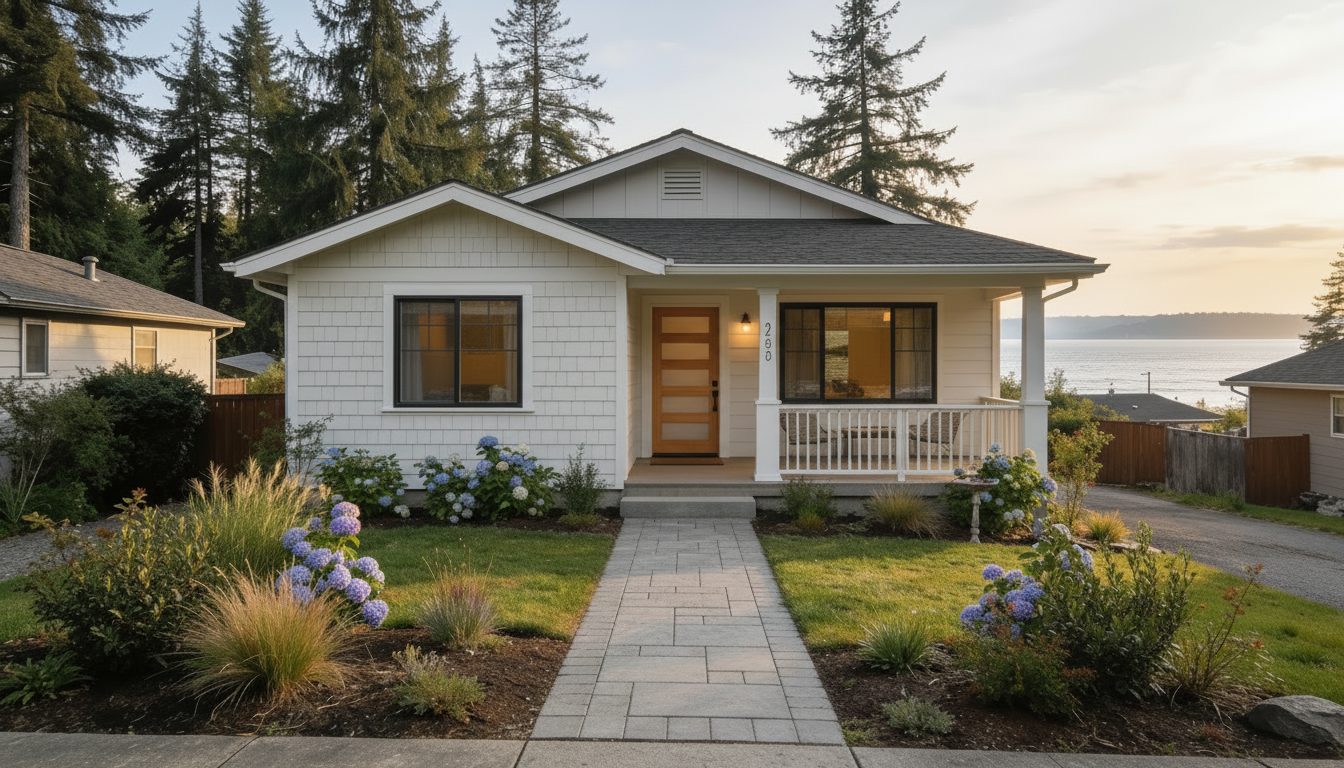
Single-level, low-maintenance Whidbey Island style home with polished landscaping, ideal for downsizing.

3. Financial Freedom

Utilities, insurance, and maintenance costs on older, larger island homes have risen. Moving to a smaller, more energy-efficient home in town—whether that’s Coupeville, Freeland, or Oak Harbor—can significantly reduce those monthly expenses. This leaves more budget for travel and fun, especially when you have a solid financial plan for buying.

The “Equity Advantage” for Whidbey Homeowners

If the lifestyle benefits are the why, the financial landscape is the how.

According to recent data, the average homeowner with a mortgage has nearly $300,000 in equity. On Whidbey Island, where many residents have owned their homes for decades, that number is often much higher. To stay on top of these shifting values, we recommend subscribing to our Market Pulse reports.

When you decide to sell a long-held property here, two powerful things happen:

  1. You cash out on years of appreciation.
  2. You likely pay off your mortgage completely.
Keys and closing documents on a table with a SOLD sign visible outside, symbolizing equity for downsizing.

This combination puts you in a powerful position to buy your next home—often with a significant cash down payment or even an all-cash offer. This allows you to secure a smaller, more manageable property without the stress of a large monthly payment.

Bright, minimalist coastal-style living room in a smaller home, representing a fresh start after downsizing.

Is 2026 Your Year to Right-Size?

Downsizing on Whidbey Island isn’t about closing the book; it’s about starting a new, more exciting chapter. It’s about ensuring your home serves your life, rather than your life serving your home. Once you are ready to make the leap, our Moving Checklist can help you stay organized every step of the way.

If you are curious about how much equity you’re sitting on, or just want to chat about what “right-sizing” looks like in our current market, we are here to help.

Organized moving planning scene with checklist, calendar notes, and moving boxes for downsizing on Whidbey Island.

Want a step-by-step roadmap before you list? Grab our Seller Resources guide and start planning with confidence.


Written by Si Fisher.